
Practicing Meditation in Daily Life: Stepping onto the Path of No Retreat
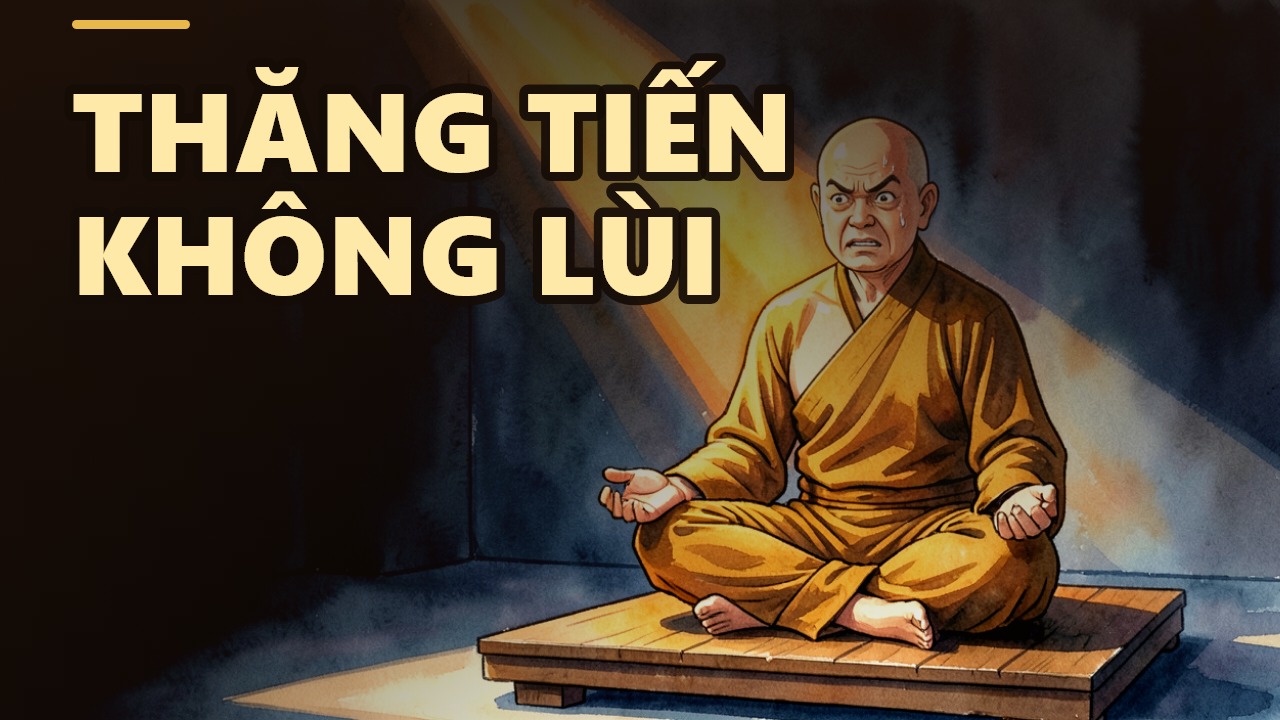
Meditation is not merely sitting still. It is the core of Buddhism, requiring courage, perseverance, and practice in every moment of daily life. Step onto this path with no intention of turning back. Have you ever wondered why people meditate for so long yet do not seem to attain enlightenment? Is it enough to simply sit for one hour each day? In his dharma talk "Practicing Meditation in Daily Life," Venerable Thich Chan Quang offers a truthful and courageous perspective. Meditation is not easy; it is not a game. It is the path of warriors.
## Meditation Is the Core of Buddhism
When mentioning Buddhism, many immediately think of chanting sutras, reciting the Buddha’s name, or accumulating merit. However, Venerable Thich Chan Quang emphasizes that for the Buddha's teachings (Dharma) to flourish, we must diligently practice meditation. This is because meditation is truly the core. All other paths are merely skillful means for initial guidance.
"Because practicing meditation is the core of Buddhism. And practicing meditation is more difficult than any other form of cultivation. It demands stricter discipline and more fierce determination than other methods."
It was through meditation that the Buddha attained enlightenment. Countless holy monks, revered masters, and even abbots of Pure Land temples were essentially meditation masters. They entered the path through recitation, but as they delved deeper into the scriptures, they realized that everything ultimately leads to meditative concentration.
## There Is No Way Back
Entering the practice of meditation is not like trying out a hobby. The teacher often says that once you make a vow, you must hold it firm. A meditator must be a brave warrior who does not allow themselves to retreat. If we step back, we lose our own progress and may also harm those who look to us as examples.
"There is only the path forward, never a step backward. Even if we die, we move forward without retreating. Only those with such a mind can truly practice meditation."
Once committed, we have no right to turn back. The teacher explains that abandoning the practice halfway could cause dozens of others watching your example to lose their faith in the path. Therefore, examine your heart: has your resolve reached its peak? Or are you still practicing just for fun?
## Practicing Meditation in Daily Life
A major mistake is waiting until you sit down to meditate before you begin practicing. The time spent sitting cross-legged is very small compared to the hours in a whole day. The teacher asks: if you only practice while sitting and remain heedless the rest of the time, when will you attain enlightenment? The answer is: never.
"If we only wait until sitting meditation to practice, and do nothing else, when will we attain enlightenment? The answer is never. Never."
Therefore, true meditators must learn to practice within ordinary life. While walking, standing, speaking, or working, they maintain a secret state of awareness: knowing the whole body clearly, dwelling in the whole body, and remembering that this body is impermanence (anicca). This is practicing meditation amidst movement.
## Four States to Cultivate
The teacher divides daily activities into four states to help us practice easily.
First, simple physical labor allows for easier mindfulness. Activities like washing dishes, sweeping the house, or digging soil are opportunities to work while dwelling in the whole body.
Second, complex mental labor is much harder. We must dedicate ninety percent of our attention to the task, yet strive to keep ten percent aware of our body.
Third, wholesome leisure involves reading books or visiting temples to keep the mind peaceful.
Fourth, unwholesome idleness involves seeking entertainment and indulgence. We must avoid this, as it causes the mind to become chaotic.
In each state, we can practice. A skilled practitioner does not let the mind run outward toward external objects.
## Dwelling in the Whole Body – The Simple Key
The method offered by the teacher is very simple: always remember that this body is impermanence (anicca), and dwell in the whole body. When sweeping, washing dishes, or picking mangoes, share part of your attention to feel the entire body. Do not let the mind leave the body to chase after other people’s stories.
"Whether working or resting, always remember that this body is impermanence. For example, when digging soil or picking fruit, with every step and every action, always know the whole body clearly, dwell in the whole body, and remember that this body is impermanence. That is someone practicing meditation in daily life."
At first, you will remember and then forget. You might get lost in gossip about your neighbor’s wealth and lose awareness of your body. But do not be discouraged. The teacher advises that each evening, go to the temple to apologize to the Buddha and promise to try harder. Continue this way, day after day, until dwelling in the whole body becomes natural.
## The Miraculous Change After Two Years
Meditation is not an instant miracle. However, the teacher shares an experience: after just two years of contemplating the impermanence (anicca) of the body, people change naturally. Previously, being placed behind others caused great discomfort. After two years, standing at the very back feels normal. Being asked to clean the toilet used to be unbearable due to ego. After two years, it feels like a normal task, without any strain.
"Do you believe me? Try practicing for two years. Your life changes, your soul changes, and your viewpoints change very naturally. There are things you did not understand before. Once you reach a certain level of practice, you finally realize: Ah, so this is what the path is like—beautiful, lovely, happy, and full of peace."
This is the reward for perseverance. You do not need to see halos of light; simply noticing that your mind is lighter, less irritable, and less attached to self is the sweet fruit of the meditative path.
## Step Onto the Path of No Retreat
The path of meditation is the path walked by all Buddhas of the past, present, and future. It is filled with thorns, but also with wondrous benefits. Laypeople today need meditation more than ever, because the busier life becomes, the more we need wakefulness. Do not wait until you are free to start meditating. Begin now, in every breath, every step, and every small task. Since you have stepped onto the path of meditation, persevere forward. Only moving ahead opens the door to true happiness and peace. Even if we die, we move forward; there is no step backward!
AI-assisted translation from the Vietnamese original.
Read in Vietnamese →