
Is a Progressive World Defined by Wealth? – Who Are You Following?
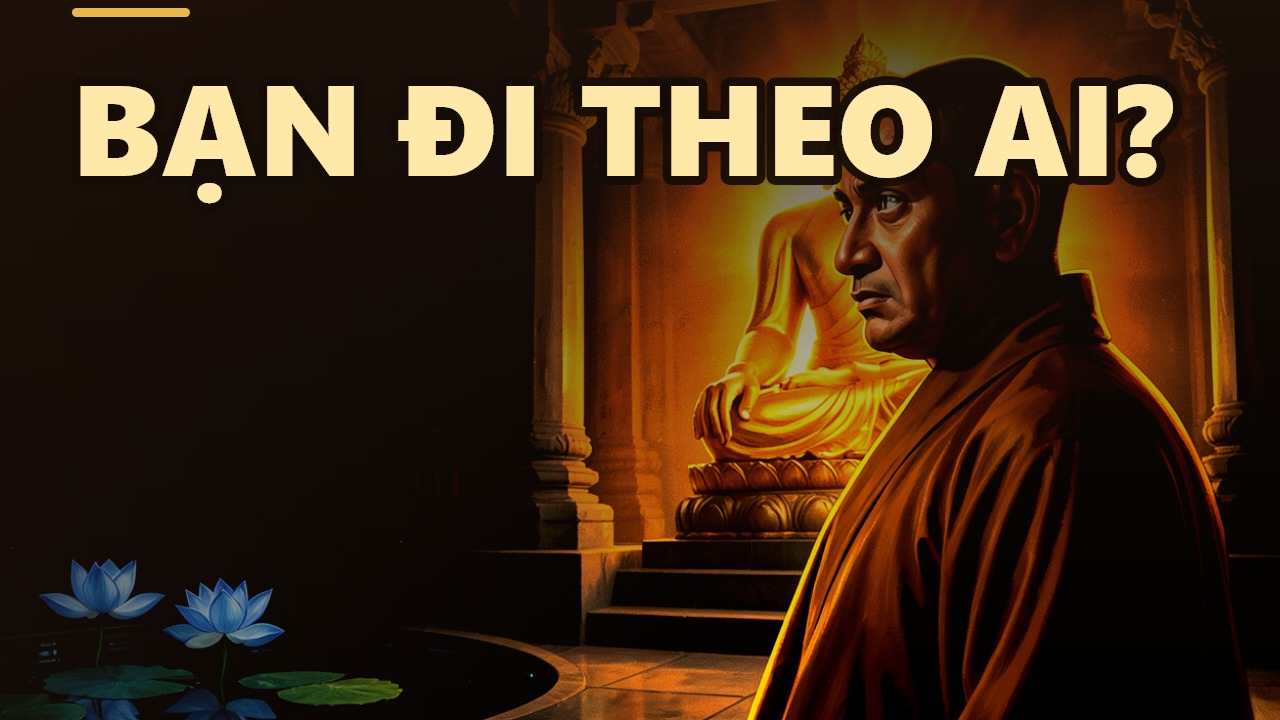
**Summary:** The allure of those with blessings can sweep you away, but it is the virtuous who are truly worthy of your guidance. A lesson from Venerable Thich Chan Quang.
Each time the Vu Lan season arrives, we return to the temple to remind ourselves of filial piety toward our parents, which is the foundation of all morality. But have you ever asked yourself: once you leave the temple and step into real life, whom do you follow? Do you follow the wealthy and powerful, or those with pure and wholesome hearts?
## A Progressive World Is Not a Wealthy World
We often think that a progressive world is one where airplanes fly faster, cars drive quicker, and people enjoy luxurious food and clothing. However, according to Venerable Thich Chan Quang, this is not true progress. He teaches:
“A progressive world is one where human beings possess greater wisdom and higher morality.”
Wisdom and morality are vast and endless, but today we need only focus on one small aspect to evaluate whether someone possesses them.
## Four Types of People: Whom Should You Follow?
In life, we encounter four types of people. First, those who have both merit and virtue; they are wealthy and noble, yet their souls are pure and kind. Second, those who lack both merit and virtue; they are poor and possess base, mean-spirited minds. Third, those who have merit but lack virtue; they are rich and powerful, yet their hearts are cruel. Fourth, those who lack merit but possess virtue; they may be poor or unattractive, but their souls are good.
When sitting in the practice hall before the Buddha altar, it is easy to choose those with virtue. But when we enter the real world, we naturally get swept up by the wealthy and powerful. This is the power of karma. The Master emphasizes:
“Following only those with morality is extremely difficult; it is not an easy task.”
## The Power of Karma and the Allure of Blessings
People with merit naturally radiate an attraction that makes us want to submit or depend on them. Consider movie stars: they may say nothing and do nothing, yet their mere appearance brings joy to others. When they disappear, replacements playing the same role feel dull and superficial because they lack the star’s merit. This is how karma and cause and effect operate naturally.
However, if we are not mindful, we will be drawn to those with merit while forgetting to ask: do they have morality? The Master gives this example:
“Those with merit naturally attract us, but a disciple of the Buddha must know how to resist this pull to examine whether that person possesses morality.”
## Cultivation Means Transforming Karma, Not Drifting With It
Some see a poor beggar and say, “This is their karma; let them pay for it,” and refuse to help. That is drifting with karma. Practitioners must transform karma. This means seeing suffering right before your eyes and sharing the burden, even if it is only a part of the responsibility. For instance, if you owed someone a debt in the past, and now they ask you to join a band of robbers, do not let karmic debts drag you into evil deeds. Even if you must pay through other means, accepting death is better than becoming a robber. This is the boundary of transforming karma.
The Master affirms:
“Cultivation requires transforming karma, not drifting along with it.”
This is truly difficult. It is like being caught in a whirlpool; only those with sufficient strength can break free. Practitioners need to accumulate spiritual power beforehand to have enough resilience.
## Do Not Let Appearances Deceive You
When two people stand before you—one extremely beautiful and one ordinary—everyone looks at the beautiful one. Yet, the beautiful person might lack morality, while the ordinary person might be truly good. The Master teaches us to learn to see the virtuous person, rather than being swept away by external appearances.
In the practice hall, you might meet a tycoon and a lottery ticket seller. Naturally, you prefer to be close to the wealthy and look down on the poor. But if you cultivate correctly, you remain calm when listening to the rich and stay warm and kind toward the poor. This indicates that you have transformed your karma and gained spiritual power.
## Building a Truly Progressive Vietnam
In the global context, hearing about wealthy nations makes people want to emigrate, and hearing about high standards of living prompts hasty decisions to settle abroad. But a truly progressive world must have morality, filial piety, discipline, and human compassion. If our country remains poor but children honor their parents, citizens do not live licentiously, and the Buddha's teachings are present, then it is a place worth living.
The Master shares that he has never left the borders of Vietnam. He does not go abroad because he sees no need to follow the wealthy or the powerful. He stays in a land filled with human connection and filial devotion.
“A progressive world is one where people do not fear power, but bow only to what is holy.”
## Keep Your Heart Steady
This Vu Lan season, let each of us remember the Master’s teaching: be alert, observe carefully, and control your heart so you are not swept away by the merit of others. Follow only those with morality, cultivating wisdom and merit. This is the path of a disciple of the Buddha, contributing to building a progressive world—not one rich in material goods, but rich in soul.
May you have a peaceful Vu Lan season, with enough spiritual power to always remain steadfast in the Dharma.
AI-assisted translation from the Vietnamese original.
Read in Vietnamese →