
A Fool Who Knows He Is a Fool: The First Step of the Wise
The Buddha's lesson about the fool and the wise one: only when we know we are still foolish, still mistaken, can we step onto the path of wisdom and virtue.
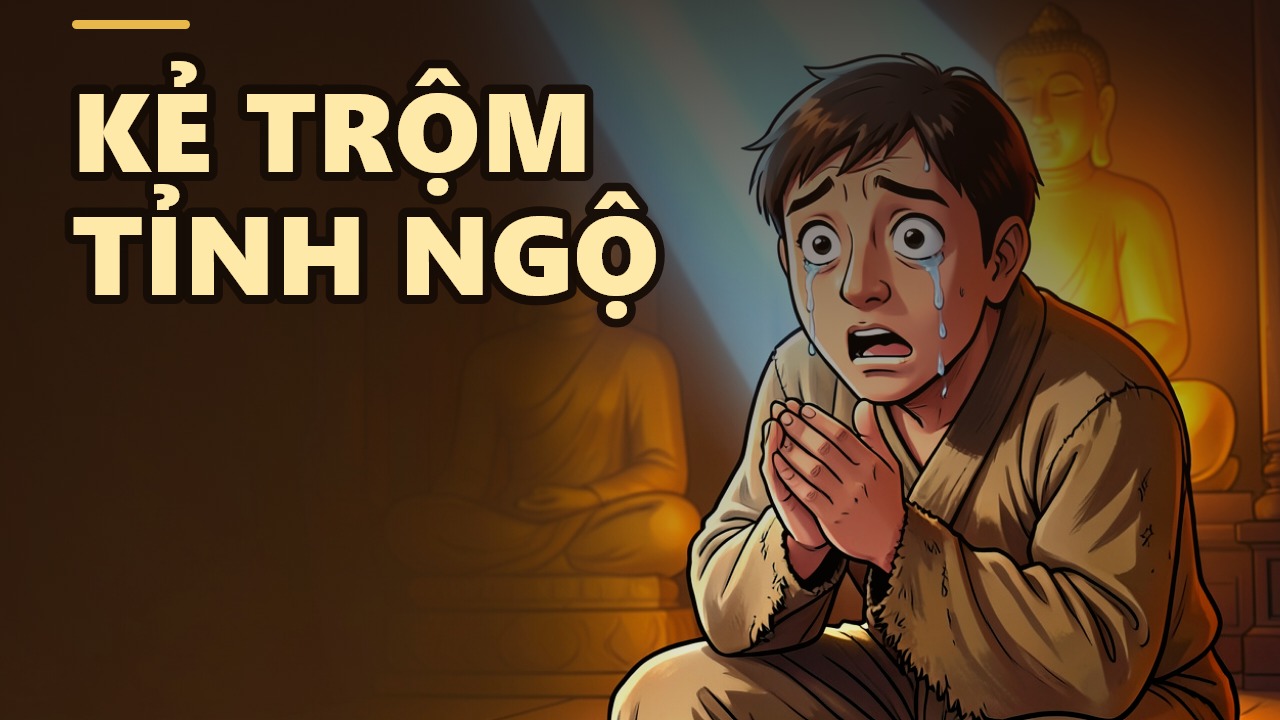
Long ago, two thieves went together to a monastery to listen to the Buddha teach the Dharma, intending to pick people's pockets while everyone was absorbed in the teaching. But one of them became so absorbed in listening that he forgot all about stealing. He suddenly realized how many years he had lived in error, awakened, and took refuge in the Buddha. The other thief stole some money and gleefully boasted to his friend, even mocking him for being a fool. When they returned, the Buddha taught a verse:
A fool who knows he is a fool is, for that reason, a wise person. A fool who thinks himself wise is, for that reason, a greater fool.
This brief verse opens up a whole horizon of truth. In Buddhism, foolishness and wisdom are not simply about intelligence or education, but about virtue. A person of virtue is a person of wisdom; a person lacking virtue is a fool. Why? Because a person of wisdom recognizes their own mistakes, and thanks to that, corrects them, so their virtue grows. The fool does not recognize their own faults, and even considers themselves good, so their foolishness deepens day by day.
The inferior criticizing the superior: a familiar ailment of the world
In life, we often see those with less understanding criticize those who know more. When a mathematics teacher sees a student solve a problem poorly and offers guidance, that is the skilled one correcting the unskilled. But a weak student cannot recognize the teacher's skill, and sometimes even thinks the teacher is wrong for teaching differently from what they believe. The teacher said:
When the inferior criticizes those better than themselves, they will become even more foolish later, because they have committed a very serious fault.
When we have risen above what is lowly, we can clearly see the shortcomings of others. But that person cannot understand our higher level, and so considers us strange, even criticizing us. This is the chronic illness of foolishness that the Buddha warned about.
Standing firm amid public opinion and isolation
In life, once we have encountered the truth, we must stand firm against criticism and isolation. For example, in a workplace, bad people may conspire together in corruption; they will isolate, entice, and even whisper to drag good people down. If we fear isolation and collapse, then all of society will sink into darkness. The teacher taught:
Each person must be a soldier protecting the light, protecting goodness for the world, so that our children and grandchildren can grow up in the light.
We need the courage to refuse temptations and invitations that say one must drink and grab and fight to get ahead in business. Let us be patient, accept disadvantages, and preserve our integrity. The fool cannot understand such nobility, but the wise always stand firm.
When we see that we are wrong, that we are foolish
Some people think that spiritual practice means having a polished appearance and speaking eloquently. But the teacher emphasized:
What is needed first is the foolishness that knows itself foolish, the wrongness that knows itself wrong.
When we look back over the past year, the past month, the past day, and see what mistakes we have made, that is a very long step forward. Never think that we are already good enough. A person who believes they are good and needs no practice, in whom greed, hatred and delusion remain intact in the mind/heart, will easily commit serious faults. The more we see our own shortcomings, the more easily we can learn.
From foolish to wise: like the spoon and the food
The Buddha offered two more examples. A fool, even if close to a wise teacher for an entire lifetime, cannot learn the truth, like a spoon that scoops food but never knows its flavor. A wise person, even for a single moment close to a wise teacher, understands the profound truth, like the tongue that knows the taste. Therefore, what matters is not only meeting a teacher, but our own state of mind/heart and our own humility.
Ask yourself: am I the spoon or the tongue? Do I recognize what I am hearing and learning, so that it soaks into my soul? If I see that I still have many shortcomings, that is a good sign. Cherish that foolishness, for thanks to it, we will become truly wise.
AI-assisted translation from the Vietnamese original.
Read in Vietnamese →