
Five Pairs of Unwholesome States of Mind: A Mirror for the Practitioner’s Soul
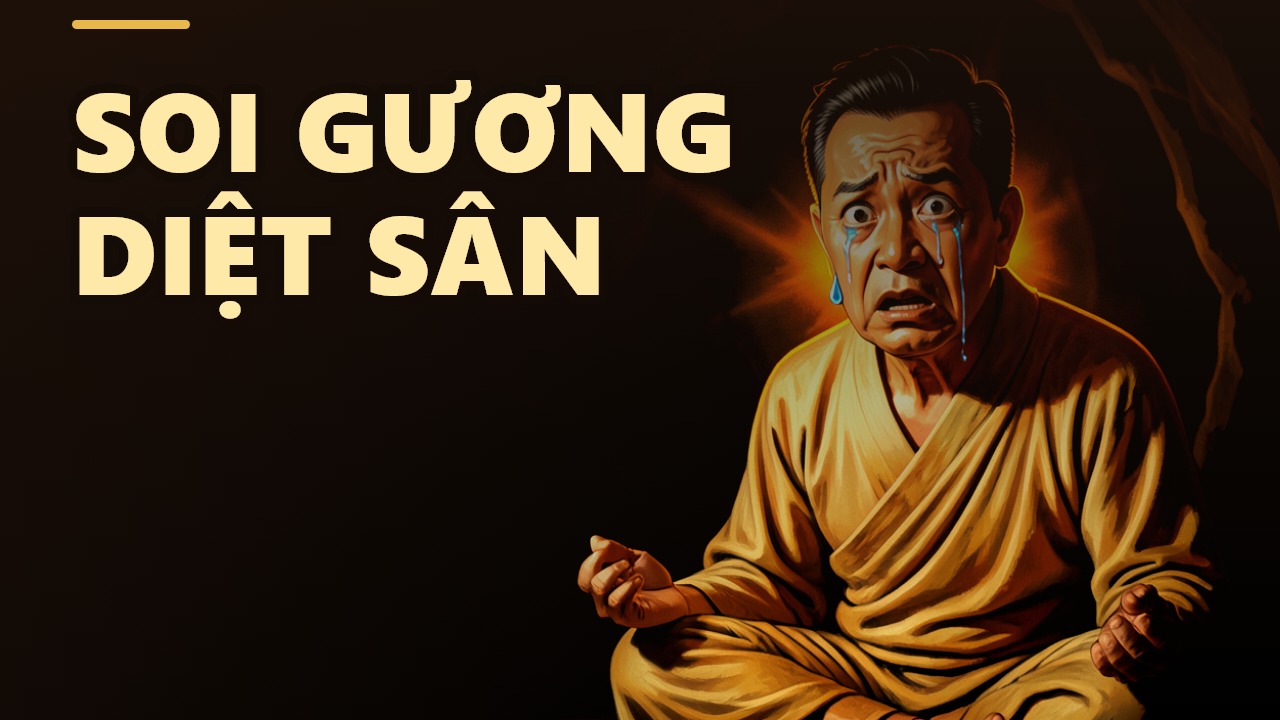
Have you ever woken in the middle of the night, tormented by a lingering resentment toward someone? The anger simmers quietly, not yet erupting, but it seeps into every thought, keeping you awake endlessly. If so, you may be nurturing one of the five pairs of unwholesome states of mind that the Buddha taught in the Anguttara Nikaya. Venerable Thich Chan Quang begins his dharma talk on "The Two Dhammas" with a warning about these mental factors. He explains that anyone who retains these unwholesome pairs will fall into lower realms after death, while those who eradicate them will be reborn in happy destinations and good realms. Today, let us look at ourselves through these five mirrors.
Anger and Ill Will: Where Does Rage Come From?
Anger is when rage bursts forth into attitude, speech, or rough gestures. Ill will is when anger smolders within, lasting day after day, waiting for an opportunity to retaliate. Venerable Chan Quang explains that anger manifests outwardly, while ill will keeps hatred hidden inside, simmering and prolonging itself. If you find yourself frequently angry, practice repentance daily before the anger erupts. Once it explodes, it becomes difficult to control. Rely on the power of the Three Jewels to keep your mind stable. When the mind first becomes pure, anger falls away like clouds dispersing, but the root of hatred remains deep in instinct. It requires reaching the stage of Non-Returner to completely eradicate it. Understand that hatred is a profound instinct requiring long-term effort in cultivation.
Deceit and Harmfulness: Fraud and Cruelty Cause Suffering
Deceit is not merely telling small lies; it is fraud that harms others, taking their money and disappearing. Harmfulness is cruelty that causes blatant suffering. Both stem from a lack of compassion. Venerable Chan Quang emphasizes that without compassion, we cannot see or feel the pain of others as if it were our own. When we hurt others, even slightly, our minds still hold cruelty. Even more terrifying is causing others to lose their faith in the path. Once people lose trust in the Three Jewels, they drift endlessly in samsara (cycle of rebirth) with no escape. Conversely, building faith in others is the greatest blessing. Nurture compassion so that you never cause suffering to anyone.
Envy and Stinginess: Closing the Door to Success
Envy is jealousy when seeing others surpass oneself. Stinginess is selfishness, refusing to share. These two are closely linked: envy makes us want to harm others, while stinginess makes us hoard things for ourselves. The teacher says that when we rejoice in others’ success, the door to success opens for us. But when we cannot bear others having more, the door closes and eventually seals shut. Instead of envying, learn to rejoice when others succeed. This is a blessing that opens paths of wisdom and abundance across many lifetimes. Hoarding wealth for personal use alone is dangerous. Use resources for noble purposes, such as caring for sentient beings or protecting the Dharma, so the mind does not fall into stinginess.
Hypocrisy and Treachery: Loyalty is the Root of All Relationships
Hypocrisy involves scheming and secretly fostering dislike within a relationship. Treachery is betrayal, where deceit is finally revealed. To become a traitor, one must first be hypocritical. The teacher notes that hypocrisy nurtures betrayal internally until it bursts out openly. In any organization, family, or nation, a single hypocrite can crack the structure. Those who serve enemies and betray their country often meet tragic ends. Follow the example of Tran Binh Trong, whose blood boiled with loyalty, declaring he would rather be a ghost in Vietnam than a king in the North. This represents the pinnacle of faithfulness.
Lack of Moral Shame and Lack of Fear of Wrongdoing: Losing Self-Respect and Conscience
Lack of moral shame means having no conscience, doing wrong without feeling embarrassed, and sleeping soundly despite guilt. Lack of fear of wrongdoing means having no self-respect, being brazenly shameless, and continuing to act wrongly despite knowing others despise you. Moral shame and fear of wrongdoing are the armor protecting human dignity. The teacher explains that lacking shame means not knowing embarrassment, while lacking self-respect means being thick-skinned and shameless. When you make mistakes, practice repentance. When others look down on you, cultivate self-respect. Sensitivity to others' words and attitudes helps preserve your integrity. Never enter strangers' homes just for food, as that meal might be filled with humiliation. Guard moral shame and fear of wrongdoing as precious treasures.
These five pairs of unwholesome states of mind are veils covering the soul. When you practice letting go of them, the mind becomes light, pure, and gradually enters meditative concentration. Begin by practicing repentance before the Buddha each day, reflecting on yourself, and nurturing compassion and self-respect. The gate of liberation stands wide open for anyone willing to look inward and let go.
AI-assisted translation from the Vietnamese original.
Read in Vietnamese →