
Rising and Falling: Is the Key Found in Pride or Humility?
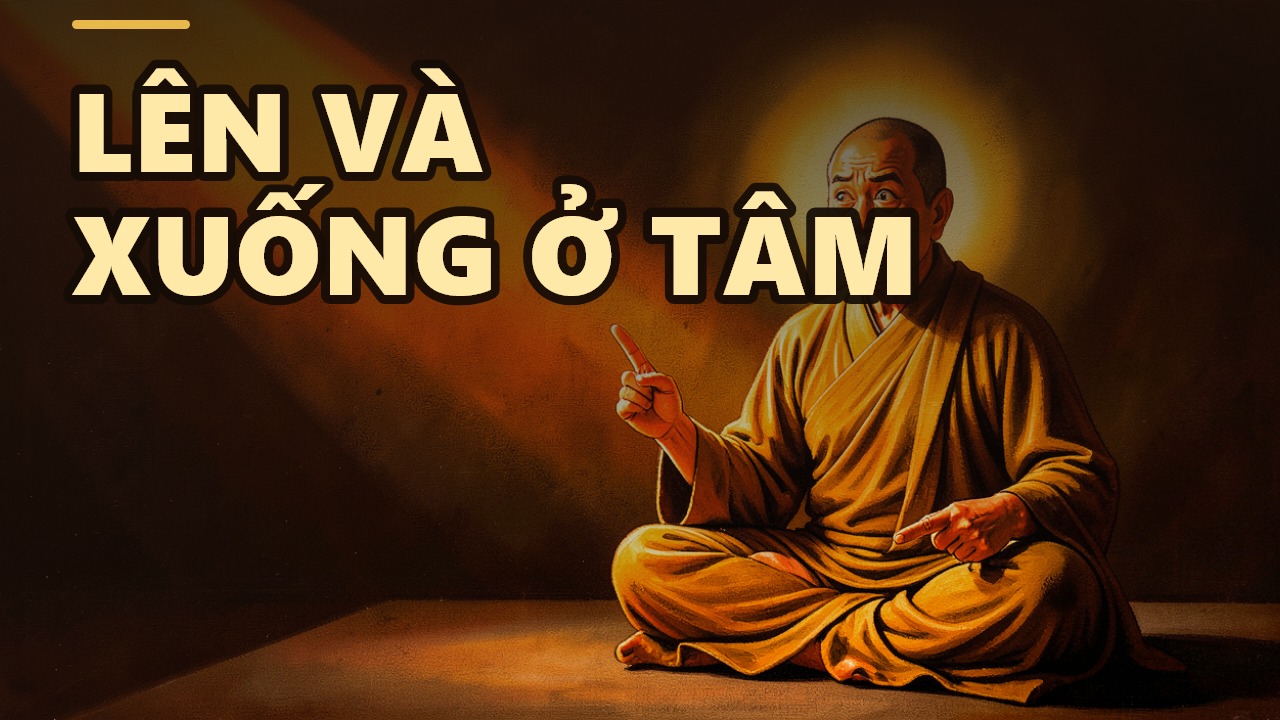
**Summary:** A dharma talk by Thầy Thích Chân Quang helps us understand the meaning of life's ups and downs. From this, we realize the key to moving upward or downward lies in whether our mind is filled with pride or humility.
In everyone's life, there are times of rising and falling. The ancients called it "riding an elephant one day, begging for scraps the next." Some people struggle endlessly, while others experience glory followed by profound suffering. But have you ever truly asked: what actually determines whether we rise or fall? Today, let us listen to Thầy Thích Chân Quang share his insights on the dharma theme of "Rising and Falling."
**Two Farmers: Why Similar Hardship Leads to Different Suffering**
There were two farmers who both worked the fields, digging the soil under rain and sun, enduring equal hardship. Yet one had no family, no wife or children, so after work he could rest, eat well, and sleep peacefully. The other, however, had a wife and children waiting at home, depending on him. For him, while the physical labor was tough, it was not as fearsome as the psychological pressure. Thầy Chân Quang emphasized:
"The physical hardship, though it appears severe, is not the true source of fear. It is the psychological pressure from family responsibility that is the real hardship."
This is why many people, afraid of responsibility, seek to escape it. Some enter the monastic life to abandon their families, but this is an incomplete departure, not the mark of a truly noble practitioner. Only when we have fulfilled our family responsibilities and then seek the spiritual path do we become worthy of being called a true renunciant.
**Obligatory Responsibility and Voluntary Responsibility**
Within a family, responsibility is an inescapable obligation no one can avoid. However, when one becomes a monastic, the responsibility towards the Buddha's teachings (Dharma) and all sentient beings is an open, voluntary responsibility. The greater a person's wisdom and virtue, the more they voluntarily take on vast responsibilities. Thầy teaches:
"The noble value of a monastic lies in the extent of the responsibility they willingly assume."
Therefore, some monastics live in leisure and comfort because their self-imposed responsibility is small. In contrast, true practitioners carry the burden of concern for all beings, for the entire world. They are not crushed by this pressure because the responsibility is voluntary. Thus, despite the hardship, they can still smile.
**Merit and Value: Rising or Falling?**
Thầy clearly points out: those who create blessings from merit are those who are rising; those who do not create blessings from merit are those who are falling. When we help and care for others, our merit increases, and our value increases. But if we develop pride from this merit, we will fall again. He states:
"The one who creates blessings from merit is the one rising; the one who does not create blessings from merit is the one falling."
Therefore, when we possess blessings, we must be extremely vigilant to maintain a humble mind. We must not look down on anyone, even if we surpass others in appearance, wisdom, or wealth. Wishing for others to be more capable than ourselves—that is the morality of someone who knows how to practice.
**Restraining the Mind of Pride: The True Key**
According to Thầy, the key to rising or falling is pride or humility. However, we may not yet have the strength to completely eliminate pride, as it can become stronger than our wisdom and virtue when our blessings are too great. Thus, we need to rely on the Buddha's strength to restrain it:
"I pray for the Buddha's blessings to help me restrain my mind of pride."
Thầy advises us to sincerely pay respect to the Buddha every day and to practice meditative concentration. Some people fear the discomfort of sitting and avoid meditation sessions, but only when we sit in meditation can we understand the happiness of the three bells that signal the end of the session. A day will come when we will want to sit forever, never wanting the meditation to end.
Let us strive to create as much merit as possible, but never cling to the sense of having done so. Always remain humble and respectful of all people. Through this, we can become free from the influence of life's ups and downs and walk steadily on the path to enlightenment.
AI-assisted translation from the Vietnamese original.
Read in Vietnamese →