
Festivals and Buddhism: How Joy Can Nurture Love
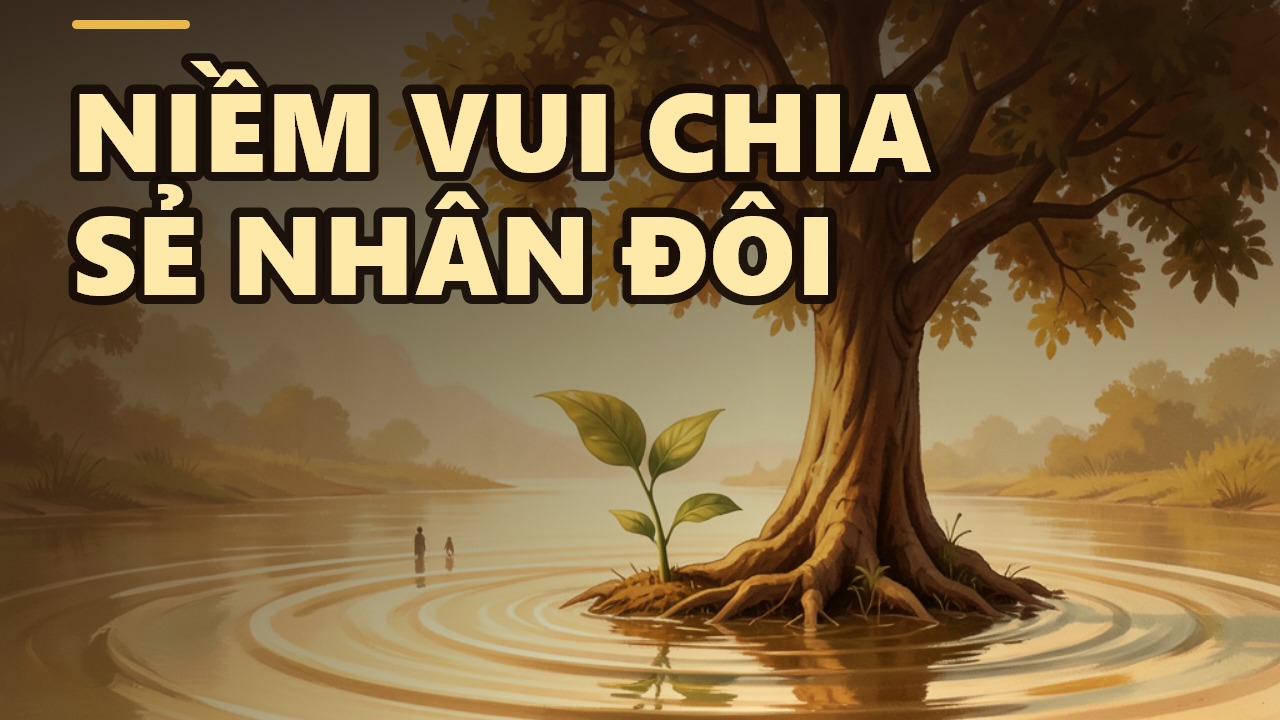
**Summary:** Venerable Thích Chân Quang analyzes festivals from a Buddhist perspective, helping us transform worldly joy into an opportunity for practice, sowing seeds of love and morality.
When you see a bustling festival out there, have you ever wondered: what is the meaning of that joy? How should a Buddhist behave before such radiant celebrations? Indeed, festivals have been an inseparable part of human history. But if we learn how to look, a festival is not just meaningless fun; it becomes a chance to sow seeds of love and morality.
**Shared Joy Multiplies**
People naturally gather in crowds and go out together, because joy, when shared, grows manifold. Thầy Chân Quang recalls an experience going out for ice cream with fellow students: "So that’s why young people like to go out together in groups—it’s this mood. Meaning that when many people join in, the joy multiplies greatly." If kept to oneself, joy is but a little; but when brought out and shared, it becomes much greater. This is a psychological law.
Even after long years of practice, teachers like Thầy sometimes forget this feeling. But then a small experience like that helps him understand why people love to celebrate together. We see this in life too: when someone wins the lottery, they want to show everyone; when receiving money from a relative abroad, the whole family shares in the happiness. Resonant joy brings greater happiness.
**The Formula for Love and Joy**
Thầy offers a simple formula: When people love each other, joy appears. And surprisingly, joy also makes people love each other more. These are two sides of the same law.
"Love is already happiness. But it depends on the type of love, and behind that happiness will be either suffering or an eternal happiness."
There are two kinds of love: one arises from the compassion of the Buddha, bringing eternal joy; the other is mere personal selfishness, which initially brings happiness but in the long run leads to suffering. Therefore, in festivals, if we know how to create pure and altruistic joy, then the hearts of people will open to love. That is the duty of a Buddhist.
**The Buddhist’s Duty: Rejoicing in the Joy of Others**
One of the precious lessons from this talk is the practice of sympathetic joy. When others succeed, we should sincerely rejoice with them. Even if our own heart is sad, we try to rejoice to help multiply their joy. Thầy reminds us: "May I feel such delight in seeing others succeed or create blessings from merit as if I had done so myself."
Conversely, when others encounter sorrow, we should share in it to help alleviate their suffering. That is the ideal life for a follower of the Buddha: to make this world less full of suffering and more full of joy.
**Are Festivals Moral or Meaningless?**
Not all festivals are good. Some foster morality, while others plant causes for bad effect. Thầy gives examples of ancient tribes that practiced human sacrifice, killing buffalo and dogs for rituals. Such actions accumulated the karma of killing and led to war. There are festivals that harm morality, and we must be alert and steer clear of them.
On the other hand, the American Thanksgiving festival is similar to our Vu Lan (Ullambana) Festival—it reminds people to be grateful to their grandparents and parents. Thầy cautions: "To live without gratitude is a moral failing." Even those who have left home to become monks must learn to be grateful to the laypeople who serve them.
Therefore, when participating in any festival, a Buddhist needs to filter and adjust it so that it brings wholesome value.
**Joining the Festival Without Turning Away**
Some believe that following Buddhism requires distancing oneself from noise, seeking only tranquility. But Thầy points out that this view may not be entirely correct. The starting point of the path to liberation is morality. To help others attain enlightenment, one must first help them develop morality. Therefore, Buddhists do not turn their backs on festivals. Instead, they must blend into that joy, yet know how to make love and morality grow.
"In festival days, we Buddhists must know how to create joy for everyone so that love can appear in everyone's hearts."
In the upcoming festival season, try this once: truly rejoice in the joy of others, share in their sorrow, and help the love within the community grow. This is how to transform meaningless fun into a meaningful journey of practice.
AI-assisted translation from the Vietnamese original.
Read in Vietnamese →