
When Art Becomes the Way: A Buddhist Perspective
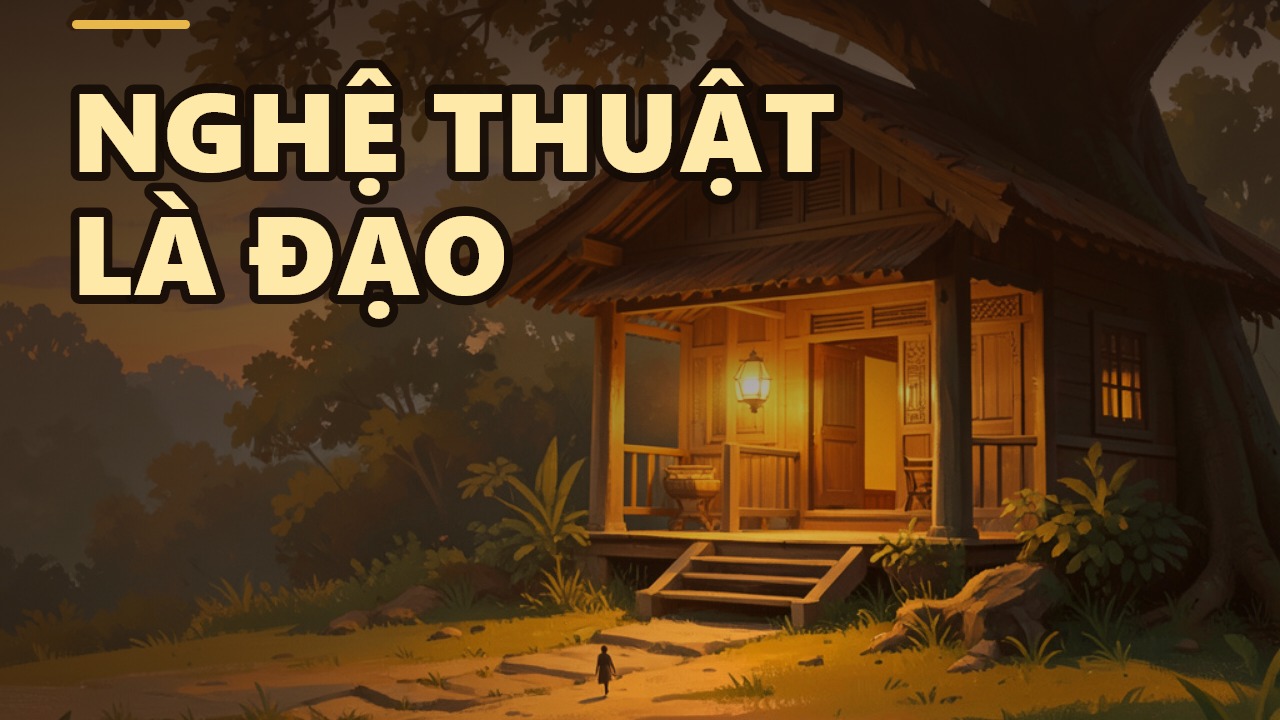
Have you ever wondered why, for the same meal, some people simply cook to meet nutritional needs, others create art, and still others elevate it into a spiritual path? In his dharma talk on "Art," Venerable Thich Chan Quang guides us from familiar daily activities to a profound dimension. He reveals that art is not merely about beauty, but a path that brings the human soul closer to enlightenment.
He explains, "That which is done skillfully and pleases many people has become art."
### From Method to Art: A Sublime Transformation
In life, every task requires a method. This applies to cooking, speaking, and sewing alike. However, when we perform these tasks with greater skill and visual appeal, causing others to appreciate and feel moved, the method transforms into art. Venerable Thich Chan Quang offers an example: "Cooking involves preparing dishes. Making a simple pot of rice is a method. But if you cook deliciously and decorate the food beautifully... that is called the art of cooking." Similarly, speaking with correct grammar is a method, while speaking eloquently and engagingly is art. Art is essentially a method sublimated by skillfulness and emotion.
### Why Does Art Exist Only Among Humans?
According to the teacher, art arises from two causes. First is human intelligence; we distinguish between beautiful and ugly, good and bad, which drives our creativity. Second is the presence of blessings from merit and leisure time. In ancient times, when humans struggled desperately for survival, they had no time to contemplate beauty. Only when there were reserves of grain, and as night fell around a fire, did people begin to sing and dance. The teacher states, "Art only appears when people begin to have abundance." It is precisely because of blessings from merit that humans can shift from survival needs to spiritual needs, giving birth to art.
"Art is something higher than method. It addresses the higher spiritual and emotional needs of human beings."
### When Art Becomes the Way: The Buddhist View
The next stage of art is the Way. This occurs when an artist does not just create beauty, but embeds deep philosophy and meaning within their work. The teacher shares the example of the Japanese people, who do not stop at the arts of flower arranging or tea drinking, but elevate them into the Way of Flowers, the Way of Tea, and the Way of the Sword. "The Japanese are profound; they do not stop at the artistic technique but elevate all those things into the Way," he says. When a sword practitioner realizes that the most important victory is conquering oneself, swordsmanship becomes the Way of the Sword. Thus, every artistic action becomes a means for practice, transforming the soul toward non-self (anatta) and compassion.
### Music: A Gift from the Heavens?
Among the various forms of art, music holds a special allure. The teacher recounts that in the sutras, the heavenly realms also have divine musicians. Once, King Sakka wished to wake the Buddha, who was in meditative concentration, so he asked a divine musician to play. The love song composed by this deity contained the line: "I love you as the Arhats love meditation." Upon hearing this, the Buddha smiled. This story illustrates music's ability to touch the deepest layers of consciousness, whether in the heavens or among humans.
### Art in the Life of a Buddhist Practitioner
How should Buddhists view art? The teacher does not encourage us to abandon art, but reminds us that true art must nourish the soul, guiding people toward truth, goodness, and beauty. If art merely stimulates emotions and fuels greed, hatred and delusion, then it is merely technique. We should use art as a tool to tame the ego, cultivate compassion, and perceive the wonder of impermanence (anicca) in every brushstroke and melody. For when art possesses philosophy, it becomes a path to enlightenment.
Every day, we can practice this: cook a meal with full heart, arrange flowers with a sense of reverence, and sing a song with gratitude. Let art nourish your soul, and let your soul nourish your art. Then, everyday life becomes a magnificent work of art, and a personal path of practice.
AI-assisted translation from the Vietnamese original.
Read in Vietnamese →