
When Chasing Wealth, We Quietly Lose True Happiness
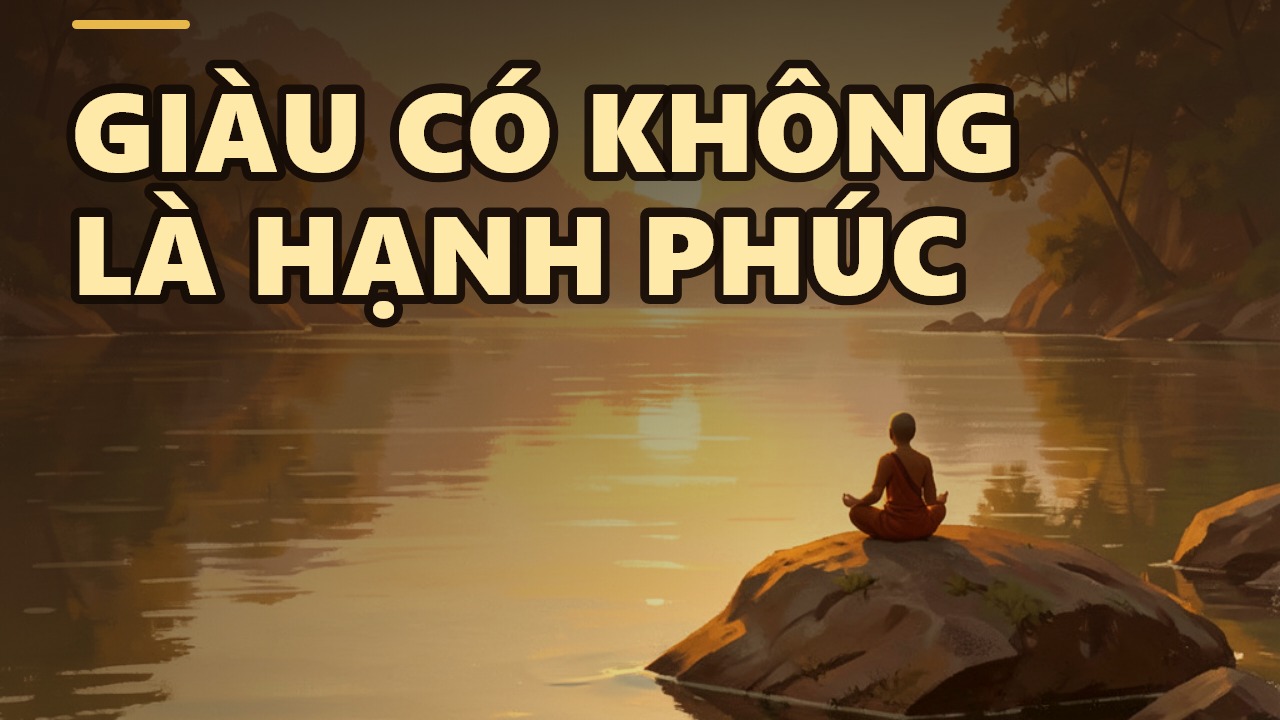
A woman from northern Vietnam once shared a heartfelt memory. She said that as a child in the countryside, she had no money at all, yet she was deeply happy. Doors were never locked, and even muddy village paths brought joy to everyone. But when she moved to the city, owning a large shop and having plenty of money, she shook her head sadly. She realized that despite her wealth and luxury, she could no longer find that same feeling of happiness she knew in her youth. This story touches on a hidden truth of our times: by chasing riches, we may lose happiness itself. So, what is the true purpose of life?
### Production and Consumption: A Contradictory Cycle
In our economy, production and consumption constantly move to create jobs and profits. However, when we push for intense production, we must exploit natural resources, from mines and forests to marine life. This unintentionally destroys the environment, which in turn threatens human survival. It begins with producing more and consuming heavily to sustain life, but exploiting resources and destroying nature ultimately destroys that very life.
This is a vicious cycle that not everyone recognizes. We often believe that shopping helps society become wealthy and strong. In reality, those comforts are quietly stealing our future. Every good thing contains an element of harm, which is why Buddhism guides us toward liberation.
### The Duality of Life and the Path of Liberation
Venerable Thich Chan Quang points out that everything in life has two sides. Helping the poor is a good deed, but it can also create dependency, jealousy, and conflict. Becoming a monastic is precious, but it can lead to a privileged class of monks, causing social resentment. In this world, everything is paradoxical and contradictory. Goodness comes with flaws, and flaws come with goodness.
This is why the Buddha’s teachings advise us to seek liberation, to escape the endless cycle of good and evil. Yet, the bodhisattva path is different. It involves entering this very circle of contradictions, navigating between good and bad to preserve virtue and reduce suffering in the world.
### Wealth Is Not Happiness, Only a Small Part of It
The greatest misunderstanding humans have is equating wealth with happiness. Consequently, society rushes to get rich, chasing high technology and material goods. But true happiness consists of many elements: love, respect from others, and well-behaved children. Wealth is only one piece of that puzzle. Remember this clearly: being rich is just one factor of happiness; it is not the entirety of it.
The story of the woman from northern Vietnam proves this point. She had money, a house, and a big shop, but the happiness she remembered was from her childhood on dirt roads, where doors were open and people lived joyfully together. That happiness lay beyond money. If we chase wealth while losing love and dignity, then when we finally hold that pile of cash, happiness will have already vanished.
### Seeing Through Cause and Effect (Karmic Law)
Many countries, including Thailand, have expanded corrupt entertainment industries like prostitution, nightclubs, and gambling in pursuit of profit. These bring in revenue and taxes, but from the perspective of the Buddha’s teachings (Dharma), they are seeds of social destruction. Some business models seem profitable but actually destroy society and the economy. They appear successful, yet they are the cause of economic ruin.
Consider bars, clubs, or casinos. At first glance, they offer profit, but much of Thailand’s economic collapse was caused by these vices. They are not essential needs; they merely satisfy greed. As disciples of the Buddha, we must stand firm on cause and effect (karmic law), refusing to be tempted by immediate wealth.
### Redefining Life: Seek Happiness, Not Just Riches
To resolve the conflict between the economy and the environment, we must ask ourselves: Are we living to get rich, or to find happiness? If everyone aims for true happiness, society will stop pursuing excessive production. Instead, we will focus on ethics, knowledge, and compassion. The economy might grow slower, but people will be happier.
When the whole world believes that life is about seeking happiness rather than accumulating money, our view of economics changes. People will no longer need to force consumption or production just to make the economy look strong. This is the harmonious principle taught by the Buddha. If each of us lives peacefully and reduces craving, the storm of greed will calm down. We will find genuine joy that does not depend on our wallets. Start today. With every meal and every purchase, ask yourself: Am I chasing wealth, or am I building happiness?
AI-assisted translation from the Vietnamese original.
Read in Vietnamese →