
True Happiness Lies in Two Elements: Merit and a Right View of Life
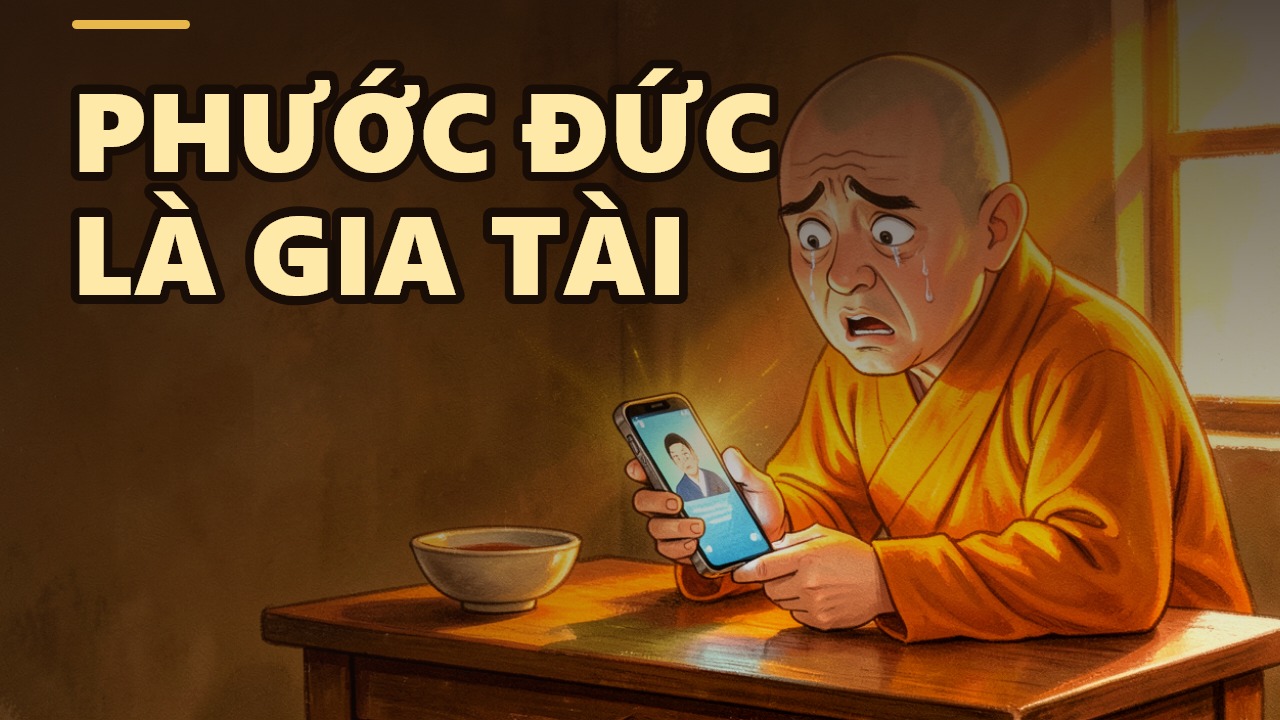
This afternoon, while having his meal, Venerable Thich Chan Quang received news that an old schoolmate had passed away suddenly from a stroke. More than thirty years ago, he was a skilled drummer in the school’s arts team, known for being gentle and cheerful. Yet upon meeting again, the teacher realized he had never performed any great acts of merit, focusing only on earning a living for himself. Then the stroke came, and he departed like a passing wind. The teacher reflected deeply, saying, "This is how we live our lives. The most important thing is merit. Merit is truly our main asset; nothing else holds such importance."
Merit: Our Most Precious Asset
Merit is not something vague or distant. It is the foundation upon which we stand in this world. With merit and virtue, we have everything. Without them, we lose all. But where does merit come from? According to the teacher, it comes from the past—perhaps from this life or many previous ones. When we willingly helped others, repaired broken roads, gifted beautiful clothes to children, or assisted friends with their homes... All these actions, whether small or large, accumulate as blessings from merit. In this life, naturally, all righteous wishes are fulfilled.
"To get whatever you wish... that is because your merit from previous lives was very abundant. Depending on how much merit you created before, whatever you aspire for in this life will be granted according to your wishes."
People often say, "Nothing in life happens by chance." The teacher affirms this truth: "Everything has a cause. Some causes we know, and some we do not." Because people fail to see cause and effect (karmic law), they become ambitious and set goals without a foundation of merit. They think, "He did it, so I can do it too," but when they try, they suffer greatly. Why? Because they lack merit. Truly wealthy people do not succeed through lottery wins or theft, but by creating value for society. Their money corresponds to their contribution.
Happiness Comes from a Right View of Life
Besides merit, the second factor the teacher emphasizes is one's view of life. Many people achieve their desires only to discover that happiness was elusive. Like Hollywood couples whom everyone admires, yet who eventually divorce and engage in lawsuits. Or like a farmer who dreamed of land compensation and wealth, but five years later still wore torn shorts and shirts, having lost his land, abandoned by his wife and mistress, and hated by his children. Money unexpectedly became a disaster. Why? Because he lacked the wisdom to keep it and the merit to enjoy it sustainably.
So what is true happiness? The teacher says, "Happiness depends on two reasons. First, whether our past merit is great or small. Second, our view of life." A right view of life, summarized simply, is just one sentence:
"Do not consider yourself important. That is all. Suddenly, happiness overflows."
Not considering oneself important means that when poor, we do not view poverty as suffering, nor compare ourselves to the rich. When wealthy, we do not view riches as a source of pride, nor feel superior to others. When insulted or humiliated, we do not take offense, react violently, or fight, but can smile instead. And it is this attitude that brings peace.
The teacher shared an interesting example: when someone insults you by saying, "Why do you look so much like a dog?" a person who understands the Dharma would scratch their head and say, "Oh, well..." rather than getting angry. If we can reach this level, we reduce our suffering significantly.
Practicing for Merit and Peace
These two elements seem simple but require a lifetime of practice. Begin by cultivating merit naturally, like someone accustomed to helping others without waiting for an invitation. Each day, reflect on yourself: Are you placing too much importance on yourself? Are you prioritizing desires and ambitions over merit? Happiness is not a destination, but a way of living—a life grounded in merit and a humble, peaceful heart.
Each day, perform one act of help for someone without expecting anything in return.
When insulted, practice smiling and remember that you are not the center of the universe.
Whether rich or poor, treat everyone with affection and equality.
Life is short. Do not wait until looking back to realize you spent it worrying about food and clothing, forgetting the most important things: merit and peace. Today, you can begin.
AI-assisted translation from the Vietnamese original.
Read in Vietnamese →