
Don't Blame Others for Not Remembering You – The Value of a Human Being
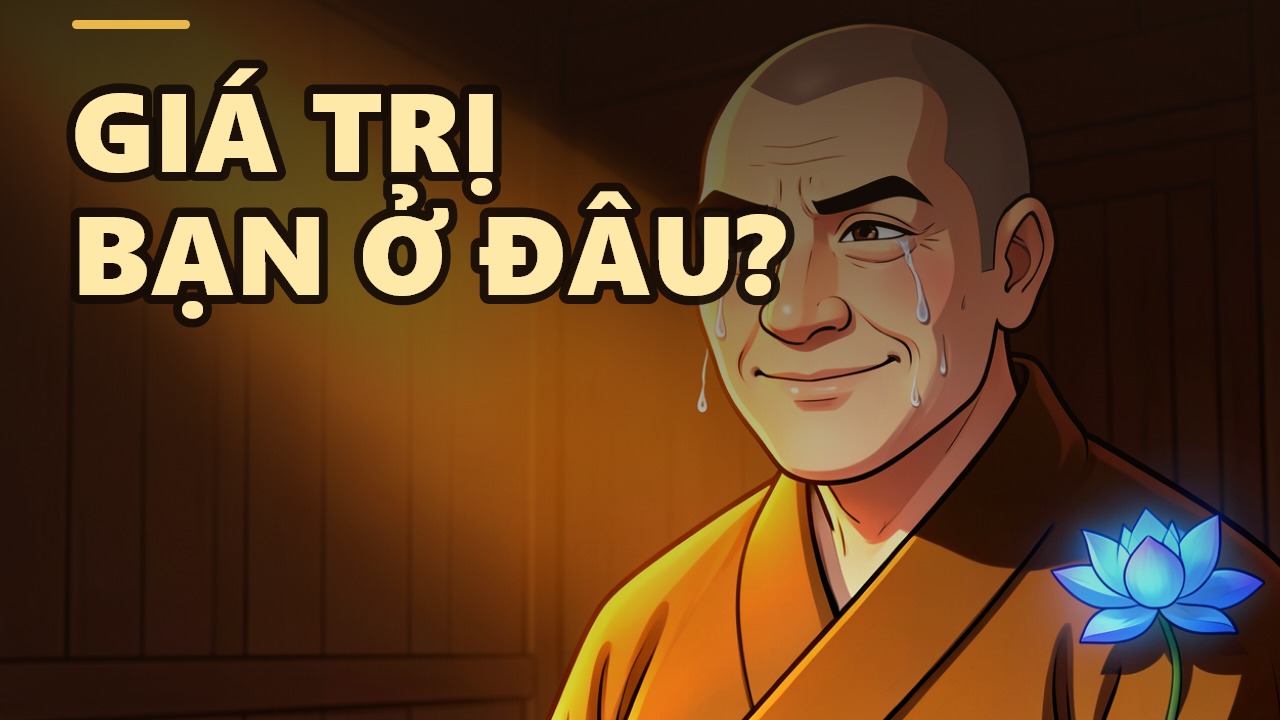
No two people are alike, and the value of each person differs even more. So what creates this value? Venerable Thích Chân Quang has clearly pointed to blessings from merit from the past, present effort, and the spiritual path – so that each of us can shine on our own.
Have you ever met a stranger and instantly felt drawn to them, while someone familiar still irritates you? In life, some people are remembered by everyone, while others pass by unnoticed. Is this merely a fleeting psychological phenomenon? In his dharma talk "The Value of a Human Being," Venerable Thích Chân Quang offers a profound perspective rooted in the teaching of cause and effect (karmic law): a person's value is real, and it determines how others treat us.
Why Are People Not Equal?
Heaven and earth were never fair. Some are born into wealth, others into poverty; some are intelligent, others struggle. This is not mere chance. As the Buddha taught, it is the result of seeds sown in the past. Thầy Chân Quang says:
Don't blame others for not remembering you; blame yourself for not being important enough to be remembered.
To lack importance is to lack blessings from merit, to lack kindness and gratitude toward others. For example, if it is your first visit to a temple and no one invites you to join the meal, do not rush to blame the temple for being cold. Ask yourself whether your conditions (dependent origination) are sufficient. This is simply reality, not something to be sad about.
Value from the Past and the Present
There are two sources of a person's value: past lives and the present. Thầy tells a folk tale: a poor young student, every time he passed the village shrine, was bowed to by the stone lion. The whole village gathered, and the earth deity declared he would become the top scholar. But his parents grew arrogant and overbearing. Just two years later, the stone lion no longer bowed. The deity proclaimed that because his parents had lost their virtue, the boy failed his examination. This shows how blessings from merit from the past can be damaged by present conduct.
Conversely, an ordinary person who helps others – repairing roads, supporting neighbors, caring for the sick – may not see blessings from merit appear immediately, yet their value in people's hearts grows. That is value created in the present.
Admiration as a Way to Preserve Virtue
When we see someone successful, wealthy, or honored, a practitioner should not feel envious. Thầy teaches:
When we see someone better than us, we must give rise to a mind/heart of admiration. Not admiration for this life, but admiration for their past lives.
In the past, such people made offerings to the Buddhas, donated land to build temples, and so now they receive blessings from merit. Seeing this, we should rejoice for them and learn from their spirit of dedication. On the contrary, thoughts of jealousy will cause our virtue to collapse and our blessings from merit to diminish further.
Walk the Right Path, and Value Will Naturally Shine
Children of the Buddha do not seek fleeting, superficial glory, but enlightenment and liberation. When the mind/heart turns toward truth and life aligns with the Buddha's teachings (Dharma), blessings from merit and virtue will grow. Thầy affirms:
If we walk the right path, if we walk the right path in search of enlightenment and liberation, then one thing must inevitably appear: our value will naturally rise.
Like the meditation master Hư Vân, whose wisdom and virtue commanded the respect of spirits and deities – wherever he stayed, the Prajna bell would ring on its own. Such value comes unbidden.
Live Kindly, and Grow in Value Each Day
So amid the countless affairs of life, let us keep a humble mind/heart, do good, help others, and refrain from competing. When we no longer crave fame, blessings from merit will come calling on their own. Be like a lotus in the mud, quietly becoming pure. Those with the conditions (dependent origination) to meet us will recognize our goodness, and at the very least, we will see ourselves as worthy of love – because we are walking the right path.
AI-assisted translation from the Vietnamese original.
Read in Vietnamese →