
Do Not Sleep on Your Victories: Lessons from the Chapter of the Emerging Treasure Tower
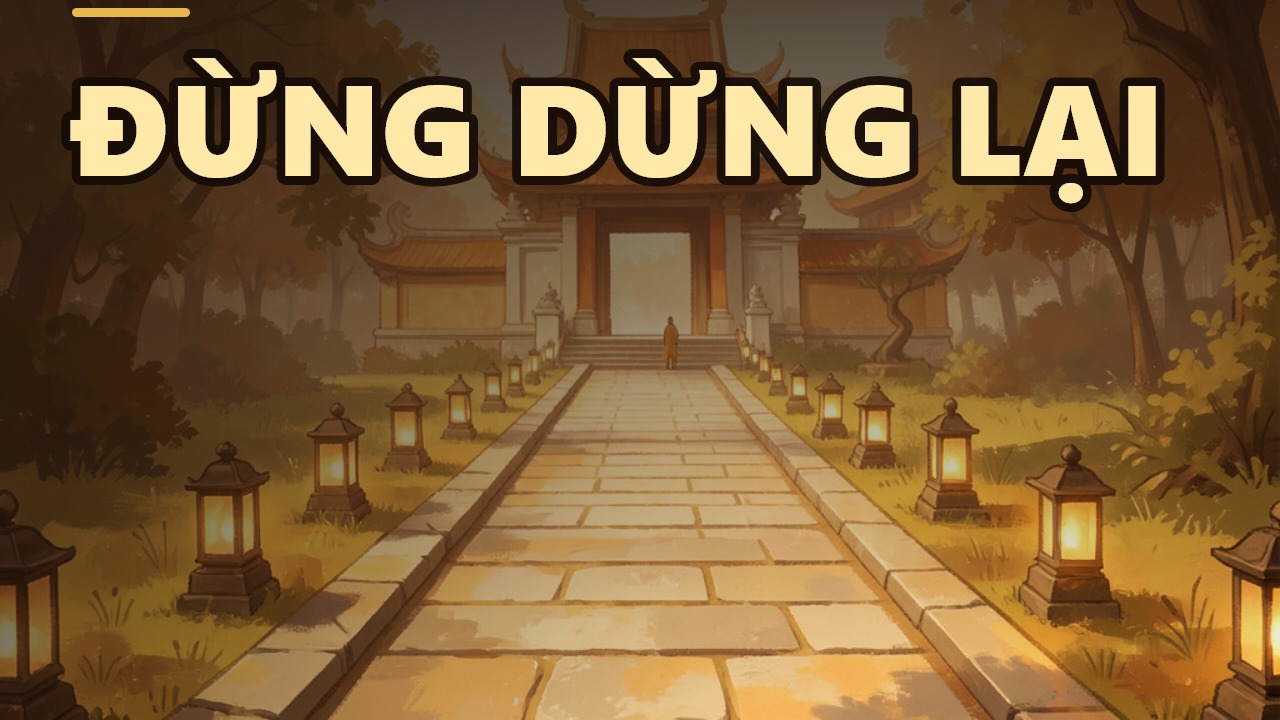
When we achieve success, it is easy to stop. But just as the Buddha stood in the void, a true practitioner never clings to their attainments. The dharma talk on the chapter of the Emerging Treasure Tower opens a door beyond all limits, allowing us to see the formless nature of Buddha-nature.
Have you ever felt that you were good enough, rich enough, or spiritual enough that you no longer needed to try? Then you stopped, satisfied with your achievements, and found yourself unable to take another step forward. This is a trap that all of us can fall into. In the Lotus Sutra, the chapter of the Emerging Treasure Tower brings a profound message about never sleeping on your victories.
## Do Not Cling to Past Success
In this sutra chapter, after the emanated Buddhas gathered at the earth realm, Shakyamuni Buddha rose from his seat and stood in the void. This action symbolizes a practitioner who has attained deep meditative concentration but cannot afford to stop. If one becomes complacent, they will remain stagnant forever. Venerable Thich Chan Quang teaches:
"The image of the Buddha standing in the void, leaving his seat, symbolizes that one must not cling to the success they have already achieved."
This applies not only to practice but also to everyday life. Anyone who achieves something and develops attachment will either stand still or regress. A person who becomes proud upon gaining wealth will not grow richer; someone who becomes self-satisfied upon gaining status will eventually decline. However, a humble person who does not consider themselves superior to others continues to make merit and work normally. That person is truly far more prosperous.
## The Right Hand Opens the Tower: Harmony Without Force
After rising, the Buddha used his right hand to open the doors of the seven-jewel tower. This is not merely a mythical detail. The right hand symbolizes harmony with conditions. Venerable Chan Quang explains that while effort is important, whether results arrive depends on karmic conditions accumulated over many lifetimes. A proper practitioner does not force things, nor do they torment themselves. They fulfill their duties, sow sufficient merit, and then allow the results to come naturally.
"Here, it means fulfilling all necessary conditions, sowing merit diligently, without arrogance, and without stubbornness."
It is like planting a mango tree. You care for it and water it, but when the fruit ripens depends on the weather and the season. Forcing the tree to bear fruit early will only kill it. Life is the same; rushing and forcing outcomes only creates more anxiety.
## Awakening Is a Great Event
When the tower opened, a great sound rang out, like the opening of city gates. Those who attain enlightenment may experience sudden awakening, as if all ignorance shatters in an instant. Venerable Chan Quang emphasizes:
"When one attains the Way, a sound emerges to let others know. It is not self-boasting; it happens naturally."
Just as Master Wenxi awakened upon hearing a bird sing, or as the Buddha himself awakened under the Bodhi tree when the morning star appeared. Enlightenment does not come from craving; it is a transformation of the mind.
## Seeing Prabhutaratna Buddha: Buddha-Nature Has No Form
When the tower opened, the assembly saw Tathagata Prabhutaratna, whose entire body remained intact. However, seeing Buddha-nature is not about seeing a physical form. Everything with a form is relative and subject to decay. Buddha-nature is absolute, real, pervading the universe, yet it has no form.
"To see Buddha-nature is to realize what is absolutely real, pervading everything, yet without any form."
The teacher tells the story of Master Wenxi going up Mount Wutai and seeing Manjushri Bodhisattva appear in form. Later, while cooking porridge, the Bodhisattva appeared again. Master Wenxi struck him with a ladle, saying, "Bitter melons are bitter to the root, sweet melons are sweet to the stem. After cultivating for three great eons, I am beaten by a monk." The meaning is that one who understands the Dharma accepts no form, even that of a Bodhisattva. The ultimate truth has no form. We beginners rely on forms to make merit, but ultimately, we must let go of everything.
## Sitting Together on One Seat: Relative and Absolute Are One
Finally, Shakyamuni Buddha and Prabhutaratna Buddha sat together on half a seat. This symbolizes unity: the worldly and the transcendent, samsara and nirvana, the relative and the absolute are two sides of the same essence. The teacher explains:
"Shakyamuni Buddha sitting on the same seat as Prabhutaratna Buddha symbolizes that the relative and the absolute have become one. There are no longer two."
When one attains enlightenment, they see all things as pure. The Buddha told a Brahmin: "When a person is enlightened, they see all things as pure." As the Sixth Patriarch said: "Seeking bodhi apart from this world is impossible." The cypress tree in the courtyard, the falling raindrops, the singing birds—all are the Buddha's teachings.
## The Greatest Miracle: Seeing Each Other with the Eyes of the Mind
Venerable Chan Quang shares a story about a monk who said, "After thirty years, I finally saw the rain falling." He was not blind, but previously he viewed rain through the lenses of delusion, preference, and comparison. When the mind is pure, each raindrop appears clearly as it is. We look at each other every day, but we have never seen each other with eyes of compassion and wisdom. Upon enlightenment, one might say, "For forty years, I am seeing you for the first time."
The sutra states that after seeing Prabhutaratna Buddha, the assembly praised it as "something unprecedented." Unprecedented means we have never fully perceived reality. This teaching guides us to surpass every milestone, to avoid complacency in any state of meditative concentration, and to refrain from clinging to any form. Thus, we may finally see the absolute within the relative.
Can you apply this lesson to your daily life? Whenever you achieve something, ask yourself: "Am I clinging to it?" If you are, gently let go. Continue to strive diligently but without force. May one day you too open the tower door within your heart, and find that while rain falls outside, your mind remains unshaken.
AI-assisted translation from the Vietnamese original.
Read in Vietnamese →