
Descendants and Ancestors: Who Saves Whom?
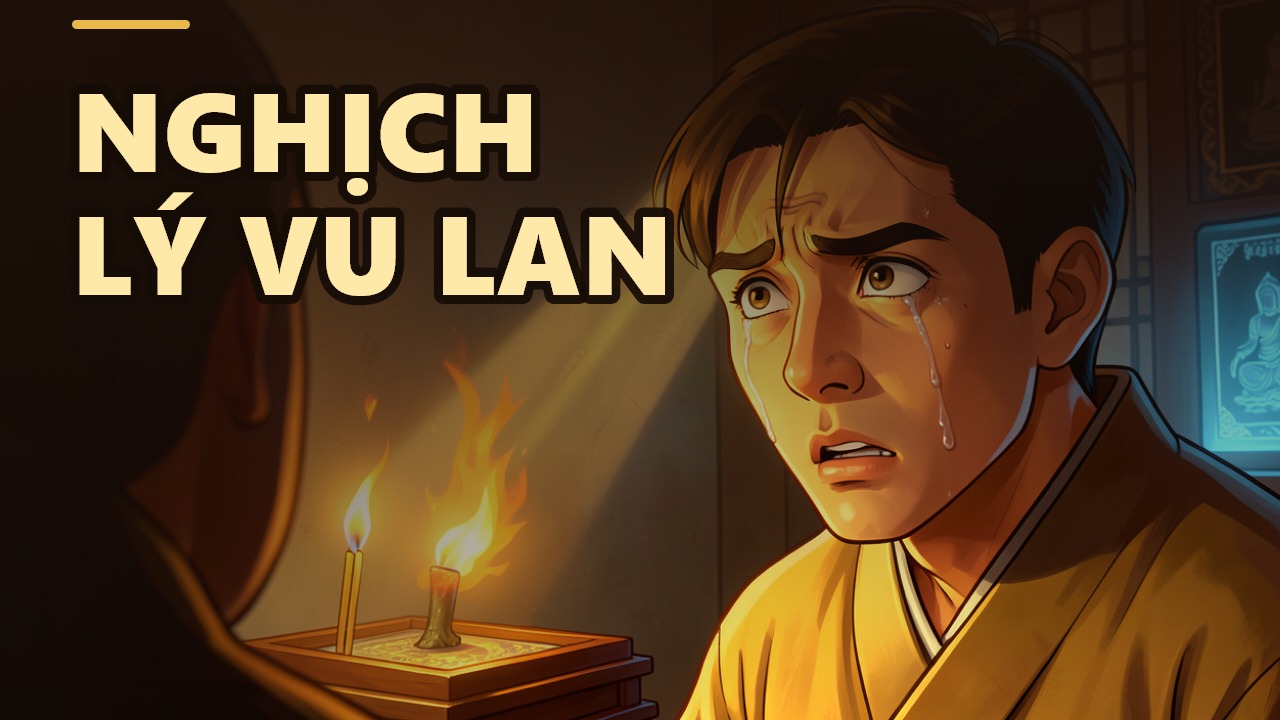
As the Vu Lan season arrives, our hearts are filled with a gentle longing for those who have passed. Have you ever wondered why, when facing difficulties, we instinctively call out to our mothers or pray to our ancestors for protection? Yet, during Vu Lan, we perform rituals to transfer merit and seek blessings for them. So, ultimately, who is saving whom?
## Who Saves Whom? – Merit Decides
Venerable Thich Chan Quang highlighted an interesting paradox during a dharma talk at Phuc An Vien Cemetery. We ask our ancestors to save us, yet we also perform ceremonies to save them. He explained that the key lies in merit. Those with greater merit can help those with less. If our ancestors possess great merit, they can watch over and protect their descendants. However, if their merit is lacking, they may need our prayers and offerings to escape suffering. In either case, performing Vu Lan rituals benefits both sides.
## The Merit of Ancestors – A Miraculous Truth
The Venerable shared stories of families whose fortunes soared after their elders passed away. This suggests the ancestors had accumulated significant merit, were reborn in higher realms, and continued to support their descendants. Conversely, some families saw no change, indicating the ancestors lacked sufficient merit to offer protection. He noted that when a grandmother or grandfather passes, and the family’s business suddenly flourishes, it is because the deceased had cultivated virtue. After death, they gained the capacity from a higher realm to assist their children and grandchildren. This is a profound reflection on how merit extends beyond this life, flowing through bloodlines into future generations.
## Cause and Effect and Bloodlines: Two Different Results
The teacher emphasized strongly that a virtuous person, even if poor, creates two distinct results. One result affects their own future rebirths, while the other leaves a legacy of virtue for their descendants in this world. He explained that the personal karmic result follows the individual into their next life, but the moral influence remains for their family to enjoy. Some beings with radiant merit choose to be born into specific families where there is a connection and existing virtue. This understanding reveals that every person entering our lives has their own destiny and conditions. It also explains why certain events, such as attempts to terminate a pregnancy, may not succeed, as fate has already been arranged.
## Beware of Extreme Views
Not everything in life is controlled by ancestors. The influence of lineage gradually dilutes over time. The Venerable stressed that since ancestors have already been reborn, remembering the "nine generations" is primarily an act of ethical respect. The direct karmic impact of their merit becomes much weaker over time. Therefore, the Buddha taught us to avoid superstition and not to beg favors from deities in temples, as these beings are still subject to samsara. Instead, we should take refuge in and pray to immortal saints who have transcended birth and death. Only those who no longer undergo rebirth can truly hear and respond to our sincere requests. This guidance helps us avoid blind faith and focus on authentic Buddhist values.
## Filial Piety – The Foundation of Ethics
The teacher recounted a story of a young man telling his girlfriend, "I love you more than anyone in the world; I will dedicate my entire life to serving you." He warned that this was a lie, for if one only loves their spouse, when would they find time for their parents? He stated that social morality begins with filial piety. If a person lacks devotion to their parents, do not expect them to possess any other true virtue. A trustworthy partner would say, "I love you, and I will dedicate one-third of my life to you, while using the remaining two-thirds to serve the temple, pray for my parents’ liberation, and contribute to the country."
## The Role of Daughters-in-Law and Teaching Children
A family’s collective merit can shift through marriage. The Venerable noted that marrying a daughter-in-law with virtue adds to the family’s merit, while one lacking virtue can undermine the family’s success. Thus, ancestors were very careful in choosing partners for their sons. To maintain good character, we must educate our children. Parents must practice first. The core teachings include belief in cause and effect, loving-kindness, and humility. We must teach our children never to be arrogant, proud, or contemptuous of others.
There are three essential principles to transmit: First, faith in cause and effect—understanding that we reap what we sow. Second, loving-kindness—living with integrity, preferring to be wronged rather than harming others. Third, humility—never being self-satisfied, always recognizing there is more to learn.
As the Vu Lan season approaches, let us take time to honor our ancestors and express genuine filial piety. Do not merely ask who saves whom; instead, let us build ethics together, living with kindness to bring glory to our lineage. Merit spreads when we are respectful, diligent in practice, and compassionate toward all beings. May you have a peaceful and deeply moving Vu Lan season.
AI-assisted translation from the Vietnamese original.
Read in Vietnamese →