
The Story of Samsara (Cycle of Rebirth): The Difficult Problem of Every Human Life
Each human life is a difficult problem to solve. We carry old karma with us and must choose how to live. If we solve it correctly, we rise above; if we make mistakes, more than ninety percent will fall into the realm of hungry ghosts. This dharma talk by Thầy Thích Chân Quang opens a deep insight into life, death, and the opportunity to practice starting today.
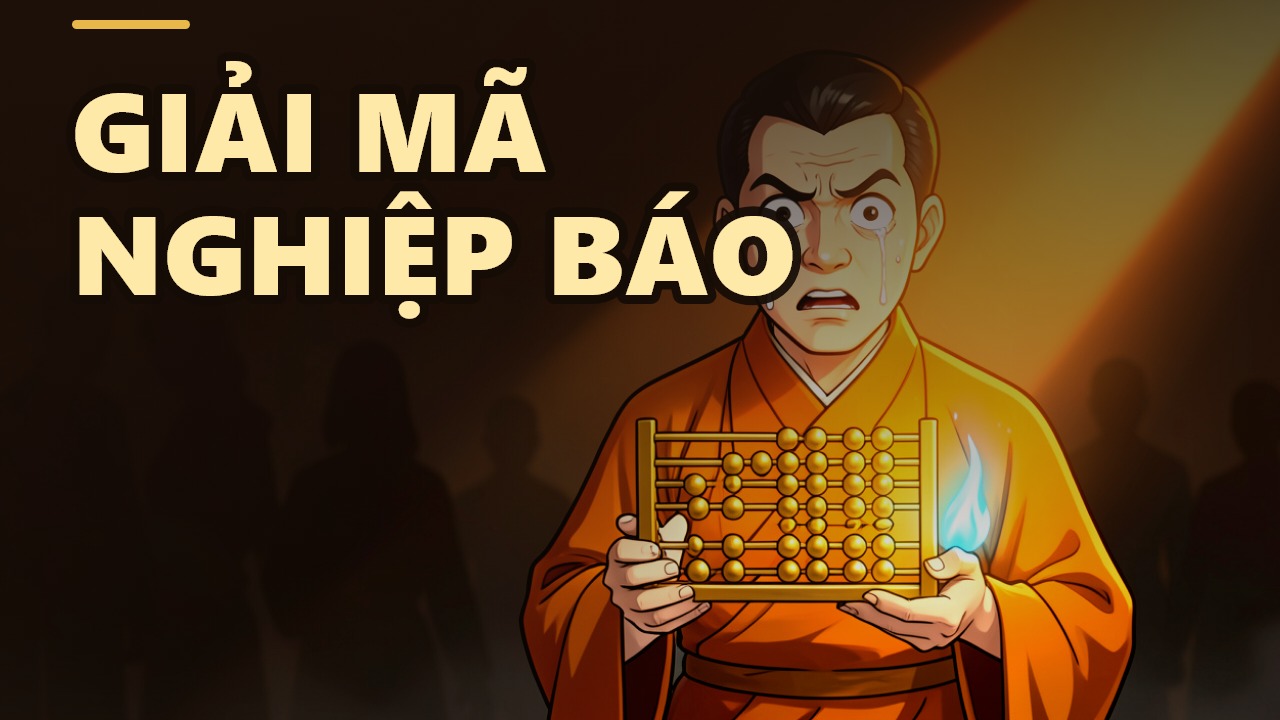
The Problem Called "Human Life"
When we come into this world, some people are born without hands or feet. It sounds sorrowful, yet few realize that this may be a lesson they must experience from a previous life. Thầy Thích Chân Quang once shared this in his dharma talk "The Story of Samsara (Cycle of Rebirth)" — a story both profound and relatable, one that makes us look back at ourselves.
When each of us is reborn into this life, we stand before a problem we must solve. A human life is a difficult problem. And truly, not everyone can solve it completely.
When we are reborn, we carry the karma, the transgressions, and the blessings from merit of our previous life. That karma, those transgressions, and that merit now place us in situations that are hard or easy, pleasant or filled with suffering (dukkha), right or wrong — and within our mind/heart, there is both good and bad.
We all carry the baggage of the past. Sometimes it brings advantages, sometimes it is a burden. But what matters is how we live rightly, so that we may perfect ourselves in this life.
Three Ways to Solve the Problem of Life
Thầy tells a story that is easy to picture. Before dying, a father calls his child to him, leaving an inheritance of three jars of gold under the bed, two houses, and farmland — but along with them, five wives, ten children, a large debt, and even the pursuit of the mob.
The child stands before three paths.
The first way: Dig up the gold and run away, leaving the consequences behind. But while you can escape worldly debts, you cannot escape karmic retribution. That is selfishness, and it plants more bad karma.
The second way: Stay and face it — repay the debts, divide the inheritance, handle everything fairly and reasonably. Very heroic, but extremely arduous, sometimes requiring the sacrifice of an entire life.
The third way: Leave it all behind and become a monastic. Thầy jokes: "This way is the best one. Being too scared, you run off to a temple to practice." But in truth, this is the way of transcendence — stepping out of the whirlpool of karmic retribution.
In truth, no way is perfect. Gaining one thing means losing another.
Life is the same. When we are born, we cannot choose our circumstances. Some are fortunate to be healthy but poor. Some are wealthy but disabled. Each of us stands in the middle of a great problem.
Which Way of Living Are People Choosing?
The three approaches above are also three ways of living. Thầy analyzes them clearly:
First: Abandoning life — taking medicine, ending it all. This is a way no one wants.
Second: Facing our karma, living and repaying our debts, striving to practice. The vast majority of us are here — choosing the second way.
Third: Entering the temple to practice fully. Great monastics such as Trưởng lão Hòa thượng Thích Phước Thành chose this way and became exemplars, a spiritual refuge for countless people.
But having chosen the second way, are we living rightly? Thầy raises the question most sincerely:
As we grow up, we meet someone we love. Should we love them, should we marry them? No one advises us. Then after marrying, are we happy? Tell me honestly, are we truly happy? We just try to get by.
We do not know the future, we do not know where the conditions (dependent origination) of karma will lead us. That is why the teachings are a guiding lamp, helping us make fewer mistakes.
Living Rightly to Die Peacefully
Thầy reminds us: "We are all heading toward death. But along that road, is each step we take leaving fragrant flowers and sweet fruit, or thorns and poison for those who come after us?"
When the final moment arrives, we step into another world. And here is something worth reflecting upon:
More than ninety percent of people enter the realm of hungry ghosts. More than ninety percent of the dead become hungry ghosts.
Hungry ghosts are not demons with fangs and fierce faces. "Ghost" means a being of the other world, and "hungry" means starving. When the dead enter that world without offerings of food, eating only once a year on their memorial day, the feeling of hunger is unbearable. Some even have to wander around houses, clattering bowls, tugging at the living, just to beg for a morsel of food.
And yet we Vietnamese are more fortunate than many places. Thầy jokes: "Dying in Vietnam is better than dying in America, because our people usually offer food, while in America they give you a flower — and you can't chew flowers."
Strive Diligently From Now On
If life is a problem, how many points have we scored? When we were young in school, scoring seven on a math test was above average. But in solving the problem of life, what score do we get? Thầy emphasizes: "Since encountering the Buddha's teachings (Dharma), if we study diligently, we begin to make fewer mistakes."
Every thought, every word, every deed must be examined against the teachings. Loving the poor, disliking the wicked, being angry at the ungrateful — all of these must be controlled. Living wrongly means planting bad karma for ourselves. Living rightly is the only path to a perfect score at the end of life and to escaping the sea of suffering (dukkha).
We are no longer allowed to live wrongly, not even in a single small thought. This world is only a resting station, a place where we prepare for the holy realm.
The opportunity to practice is right before our eyes. Today, we already know the way, we have teachers and companions in practice. So why not strive even more diligently? Just a little each day, and we are overcoming the problem of life, heading toward the realm of eternal peace and joy.
AI-assisted translation from the Vietnamese original.
Read in Vietnamese →