
The Wealthy Nobleman Who Wanted to Return Home and the Buddha’s Lesson on Guarding the Mind
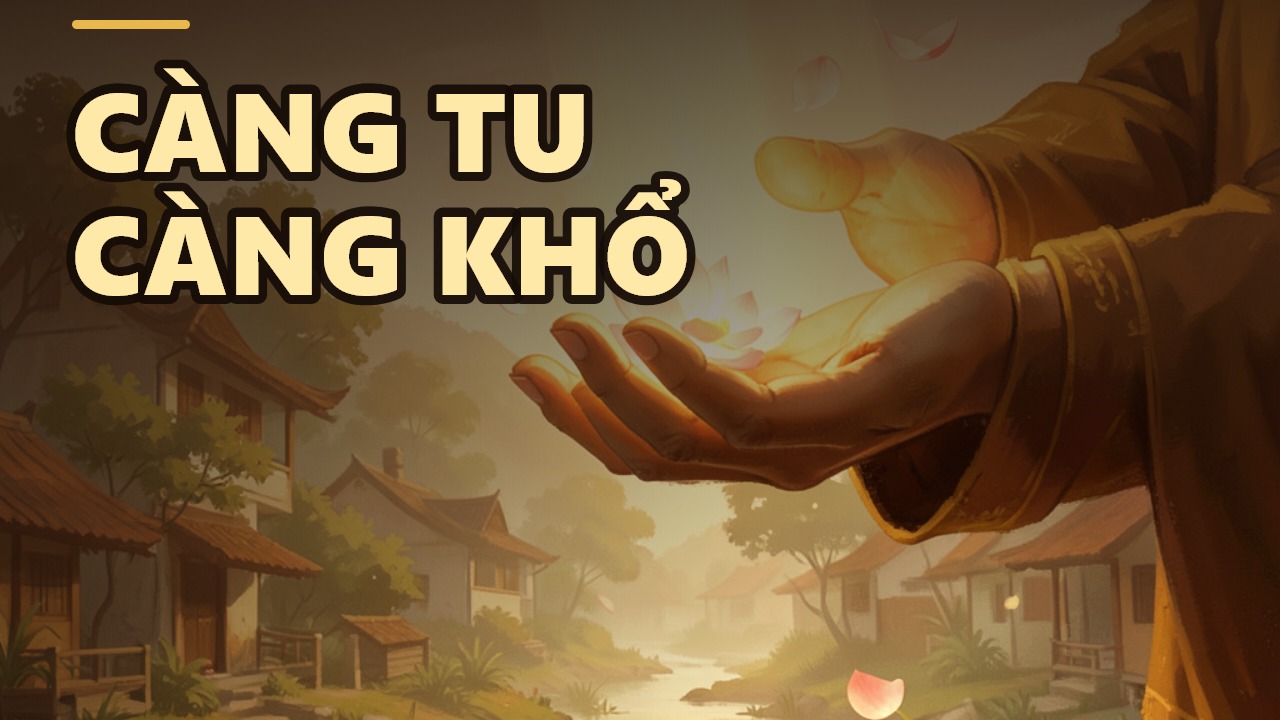
Have you ever felt that despite doing many good deeds—making offerings, keeping precepts, and practicing—you still feel restless and uncomfortable? Sometimes, the more we practice, the more troubles seem to appear, leading us to want to give up. The story of the nobleman Anupama in the Dhammapada offers a surprising answer.
## The Story of the Nobleman Anupama
Long ago in the capital city of Shravasti, there lived a wealthy young man named Anupama, the son of the royal treasurer. He was among the most affluent and comfortable people in the kingdom. Thanks to good conditions from past lives, he met an enlightened elder monk and listened to him with deep respect. When the teacher advised making offerings, Anupama immediately divided his wealth into four parts: one part for helping the poor, one part for making offerings to the Three Jewels, one part for supporting his family, and one part for reinvesting in business.
He practiced this diligently for several years. His merit grew, and his face radiated with light. Then, when his teacher advised him to take refuge, keep the five precepts, and cultivate the ten wholesome actions, he did so without hesitation. Finally, when instructed to shave his head and leave home for monastic life, he accepted without doubt.
## Making Offerings – The First Door to Open the Mind
However, Anupama soon faced challenges. The first teaching from his master was about generosity. The teacher said, "If we cannot open our hearts or loosen our purses to share with others, we do not yet know how to practice."
Making offerings is the first door to entering the inner mind. If you cannot give, if you cannot help anyone, then talks about Buddha-nature, true mind, Mahayana, or Hinayana are merely empty words. Why? Because generosity opens the narrow, selfish heart. If our mind is so closed that we feel no compassion for the suffering of others, even decades of meditative concentration will not touch the threshold of liberation.
## When Keeping Precepts and Studying Teachings Become Heavy Burdens
After some time in monastic life, Anupama encountered difficulties. The teachings were vast, and since books were scarce, he had to memorize long passages of scripture every afternoon. The rules of discipline were strict: he could not walk too fast, gesture as he did at home, or run to embrace old friends upon meeting them. Everything seemed forbidden; everything required careful guarding. He felt bound and constrained, finding that the more he practiced, the more he suffered. Consequently, he went to the Buddha to ask permission to return to lay life.
Anupama said, "World-Honored One, when I lived as a layperson, I made offerings, kept precepts, and performed ten wholesome actions. I felt peaceful and joyful each day. Now that I have left home, every movement of my hands or feet is restricted. I am afraid of everything I do. I find that living at home was easier."
## The Buddha’s Teaching: Just Guard the Mind
The Buddha did not offer complex philosophical explanations. He simply said, "Now, I will teach you one thing. You do not need to learn too much, nor guard too many rules. Just guard your mind." Then, he recited this verse:
"The mind is profound and hard to see, spinning wildly after desires. The wise guard the mind, thereby attaining great peace."
The Buddha condensed the entire Dharma into a single point: guarding the mind. As long as we prevent the mind from chasing sensual pleasures and stop deluded thoughts from swirling, everything else naturally settles. The nobleman stayed to continue his practice. Interestingly, the verse does not state whether he attained any fruit of enlightenment. This silence itself is a lesson: spiritual practice is not about chasing achievements, but about abiding in the return to oneself.
## Practicing Mindfulness in Daily Life
Yet, guarding the mind does not mean sitting in stillness alone. In everyday life, guarding the mind means knowing contentment. When we must be poor, let us be grateful for poverty so we can empathize with those who suffer, learning to live with confidence and dignity in simplicity. Some people suffer because they demand more than their capacity allows. Those who truly practice can find joy even in poverty. And when we are wealthy, let us live simply, for a rich person living simply is even more worthy of respect than a poor person living simply.
Anupama’s story also reminds us not to wait until disaster strikes to seek blessings. We should make offerings and help others starting today, for only merit and good conditions can help us overcome obstacles. As teachers often say, prayers may save someone from danger, but they cannot turn poverty into wealth. Therefore, open your heart to give, and keep your mind pure.
The path of practice does not begin with high-level meditation, but with opening the heart. Once ready, we return to guard our minds amidst all changes. A mind wandering after sensual pleasures brings unease; a guarded mind brings freedom. This single act—guarding the mind—is enough to create the path. Begin today: offer a smile, hold onto a moment of stillness. Happiness will arrive naturally, like a calm lake reflecting the moon.
AI-assisted translation from the Vietnamese original.
Read in Vietnamese →