
Caution and Recklessness: Two Sides of a Virtue
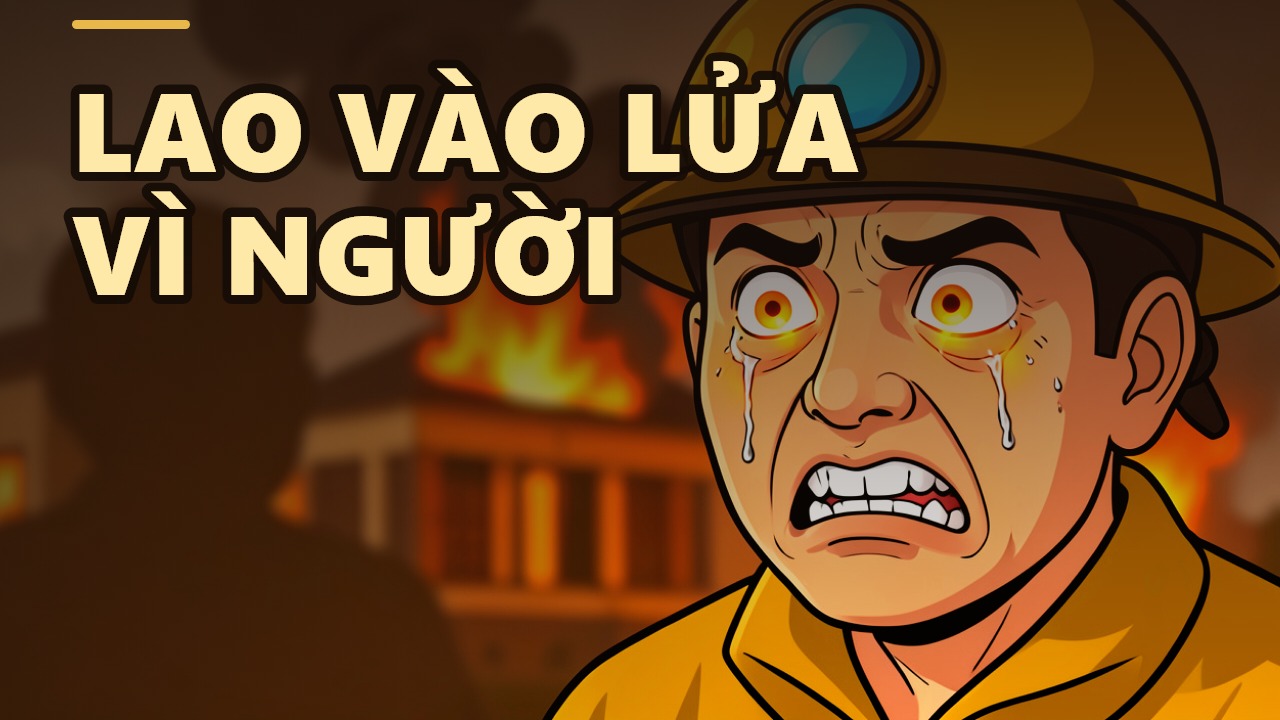
In life, caution helps us avoid risks for others, yet there are times when we must take chances for the greater good. Both can be acts of morality if they stem from compassion and responsibility. Have you ever wondered whether it is better to be cautious or reckless? We often assume that caution is good and recklessness is bad. However, in a profound dharma talk, Venerable Thich Chan Quang revealed that both can be expressions of virtue, depending on one’s intention and circumstances. Let us listen to the story of a firefighter to understand this more deeply.
Caution is not merely about protecting oneself; it is also about caring for the safety of others. When leaving home, we turn off the lights to prevent fires. When placing a glass of water, we set it away from the edge of the table so no one accidentally knocks it over. When taking children swimming in a river, we always ensure there are floatation devices and adult supervision. These small actions reflect a heart that worries for others.
When designing a game, one calculates with high regard for everyone’s safety. A person who acts cautiously, considering the well-being of others, is called moral and receives great blessings from merit. The more responsible a person is, the more cautious they become. Leaders and specialists must calculate risks and ensure safety before implementing plans. Being cautious for the sake of others is the foundation of morality and compassion.
However, there are situations where, no matter how carefully we plan, we cannot foresee every risk. A firefighter rushes into a blaze without knowing if the floor behind the flames is solid or a deep pit. A soldier under heavy fire cannot wait until the enemy runs out of ammunition to fight. Fishermen go out to sea without guaranteeing calm waters. They must take risks.
At such moments, there is no room for caution; there is only daring. One dares to cross through the fire to see if anyone survives. This kind of recklessness is also morality, because one stops calculating personal safety and takes risks to save others. Therefore, recklessness is not bad if it is done for the sake of others’ lives or to protect noble principles. Without such courage, we would become cowards, standing by while others suffer without offering help.
Venerable Chan Quang shared stories from his early days at the temple. Once, he saw people trapping a deer, tying its legs, and carrying it away to sell. He used almost all the temple’s funds to buy the deer and release it back into the forest, accepting hunger as an act of righteousness. On another occasion, he gave seven hundred thousand dong to an orphaned student to pay for their final year of tuition, even though the temple had only one million dong left.
He thought he was abandoning his parents by becoming a monk, but unexpectedly, the Buddha’s grace allowed him to care for them later. In times when one takes risks for righteousness, the cause and effect (karmic law) brings tenfold positive results in the future. Taking risks does not mean being careless or negligent. Risking for love and justice may bring immediate loss, but long-term good karma will follow. Conversely, reckless boasting is simply irresponsibility.
Venerable Chan Quang asked: Is viewing this life as impermanence (anicca), as a dream, an act of caution or recklessness? Many consider it caution, but he said it is recklessness. Seeing life as a dream makes one prone to letting go, indifference, or even wastefulness. Yet, a proper practitioner is reckless yet still cautious. Viewing life as a dream is a form of indifferent recklessness. But spending every penny with extreme care is a duty, reflecting the balance of merit and demerit. Such a person walks the Middle Way and practices well.
Thus, recklessness is not about breaking all discipline, but daring to let go of attachment to illusions. Caution is maintaining responsibility for every action, every coin, and every word. Meditative concentration is the practice of this Middle Way. While sitting in meditation, we dare to let go of delusions and see the body as impermanent. Simultaneously, we watch the breath going in and out with extreme care. The Buddha sat beneath the Bodhi tree with a firm vow: "Even if my flesh rots and bones crumble, I will not leave this seat until enlightenment." That was righteous recklessness, and He attained awakening.
What does sitting in meditation mean? It means taking a risk. Daring to see life as illusory and impermanent. Watching the breath in and out carefully. When our mind is brave enough not to fear loss, and cautious enough not to cling, we reach peace and freedom. This is enlightenment and liberation.
Practice daily: Be cautious with every action and word so as not to harm anyone. Do not become timid; be ready to take risks for what is right. Begin with a few minutes of meditation, observing the breath, to realize that life is a dream while still fulfilling your responsibilities. This is the path of the wise.
AI-assisted translation from the Vietnamese original.
Read in Vietnamese →