
Seven Ordinations: The Karmic Law Behind a Single Word of Agreement
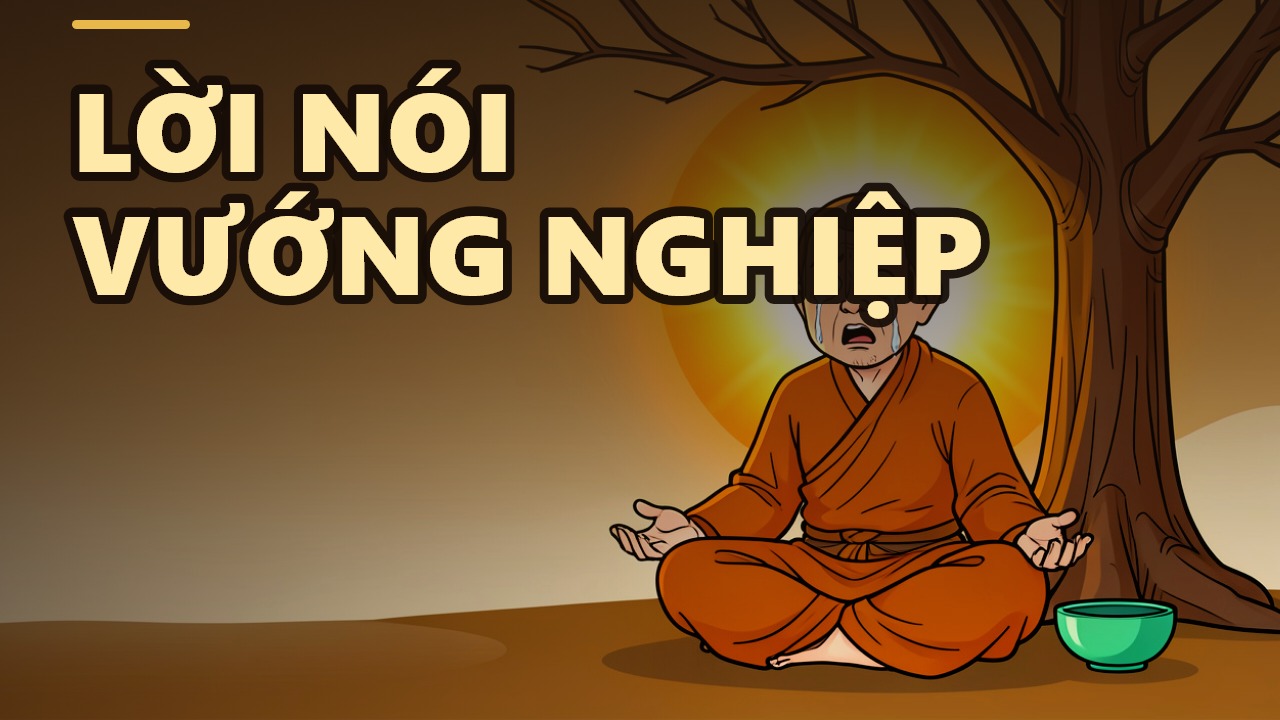
Once, a farmer went searching for his lost cow. Exhausted and hungry, he entered a monastery. At that time, the monks were having their midday meal. Seeing him, they shared their spare food with him. Astonished by the peaceful life of the practitioners, he asked to ordain as a monk. Yet soon after, missing his wife and home, he returned to lay life. He left and returned seven times in total. On the seventh occasion, he resolved to practice diligently and attained the fruit of an Arhat.
Why was his mind not steadfast?
Today’s dharma talk on the Dhammapada begins with this verse: “Those whose minds are unsettled, who do not understand the true wonderful Dharma, and whose mental resolve is not firm, will find it difficult to perfect wisdom.” We see that this farmer embodies an unsettled mind. When at the temple, he missed home; when at home, he missed the temple. However, the truth is that he possessed good roots from many past lives. The monks accepted him without thorough questioning because they felt compassion for him. This was kindness, but also a form of leniency. Fortunately, he had the conditions to attain enlightenment. If not, such incidents could have damaged the reputation of the Buddha's teachings (Dharma).
One word of agreement brings karmic results across many lifetimes
The Buddha recounted the ancient causes and conditions. In a previous life, this farmer had been an ordained person. At that time, a fellow practitioner wished to return to lay life. He said, “Yes, go ahead and leave.” That single word of agreement created karma, causing him to return to lay life six or seven times in this current existence.
“Precisely because of that notion of agreement, within the path, when we understand cause and effect (karmic law), we must be cautious about everything.”
The lesson is clear: If we support or encourage someone to do good, we gain blessings from merit. Conversely, if we agree with bad actions, we become entangled in karmic retribution. In daily life, when someone wishes to ordain, we should create favorable conditions. But when someone wishes to do wrong, we should skillfully discourage them. This is the principle for those who understand the path.
Missing the temple, missing home: Is it debt or karma?
Why did the farmer miss home while at the temple? Because there was affection and karmic ties. Why did he miss the temple while at home? Because he also had karmic ties with the spiritual path. That affection and longing were not genuine emotions, but rather driven by karma.
“Affection and longing are conditions (dependent origination) and debts, but they are also karma.” “Sometimes one loves so deeply that one feels like dying. But that is an illusion, not reality.”
There are people who love each other passionately, yet when living together, they only cause suffering (dukkha) for one another. This happens because they are repaying karma. Love can sometimes be a trap. Wise people recognize this and act carefully to avoid being caught.
Reduce belief in thoughts, practice meditative concentration
Karma creates our moods, desires, and thoughts. If we firmly believe any thought is absolute truth, we do not yet understand the path. Therefore, we must reduce our trust in our own thoughts.
“Please help yourself by trusting your thoughts less. That is a method of practice.”
To possess wisdom, the mind/heart must be pure. To purify the mind/heart, one must sit in meditation. Meditative concentration is never easy. But it is the door through which we pass. The Buddha sat in meditation throughout his life to set an example. As disciples of the Buddha, even laypeople must practice meditation every day. In the future, humanity will inevitably need to cultivate meditation. Let us begin today.
Conclusion: Diligence prevents endless wandering
The story of the seven ordinations reminds us that spiritual practice is not easy. But if we lack diligence, we will wander through countless cycles of rebirth (samsara). Let us practice immediately: sit in meditation for fifteen minutes each morning, or join a retreat at a temple. These are the first steps toward finding peace and liberation.
AI-assisted translation from the Vietnamese original.
Read in Vietnamese →