
Loving Nature – The Virtue of the Awakened
This article explores why loving nature is a moral virtue, through the teachings of Venerable Thích Chân Quang, along with his warnings about the destruction of nature and how we can find peace within the soul once more.
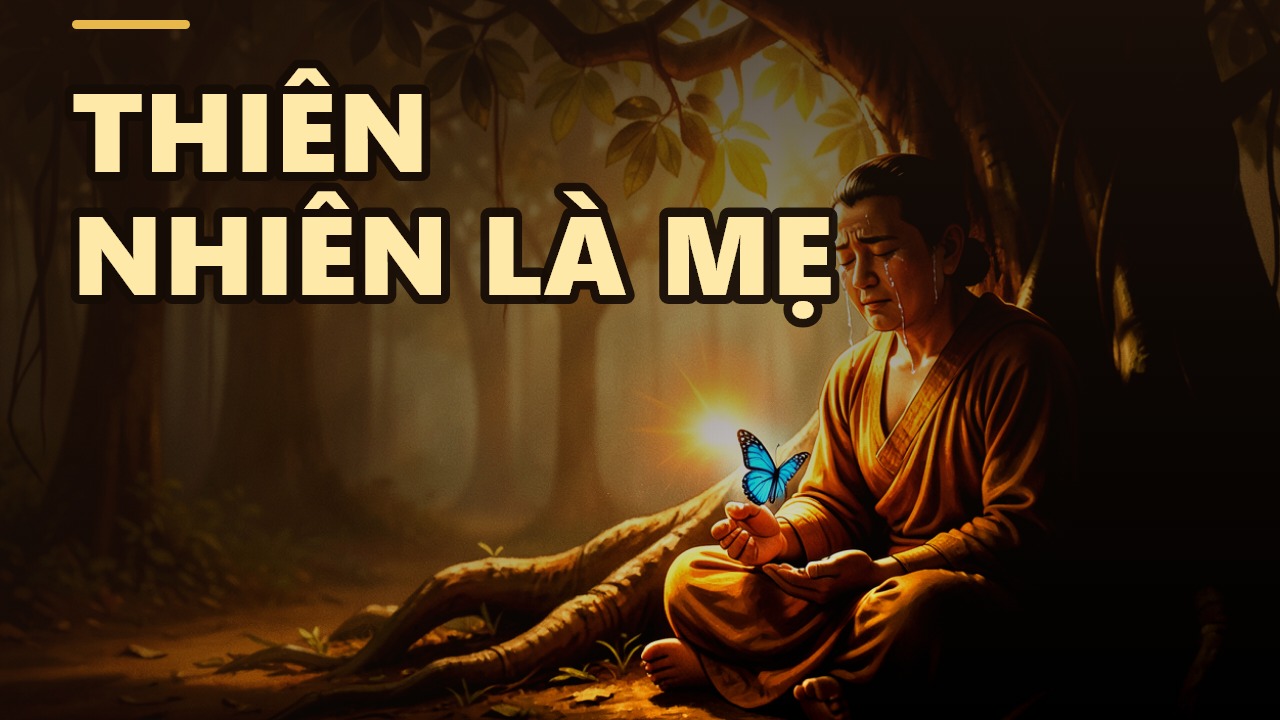
Today, sitting in the middle of the city with the cool air conditioning on, have you ever suddenly remembered the refreshing feeling of a clear mountain stream? Or when a sudden rain shower passes by, do you sense that you are forgetting the beauty of nature? These questions lead us to an important lesson: loving nature is not merely a pastime; it is also a moral virtue.
Nature – The Cradle of Life
Billions of years ago, the earth was nothing but rock, water, and a harsh atmosphere. But from simple fungi, algae and moss, grasses and trees, and vast primeval forests, nature gradually brought forth all living beings, reaching its crowning achievement in humankind. Venerable Thích Chân Quang emphasizes:
Nature is the cradle that gave birth to the life of all beings, especially we human beings.
In this way, nature is our great mother, and we humans are her children. To love one's mother is the most natural thing in the world, and it is also the foundation of morality.
When Loving Nature Becomes a Virtue
Morality is not merely a set of social rules; it begins with gratitude and love. Because nature gives life to all beings, to love nature is to love life itself, and to love life is true morality. The teacher says:
Because nature has given life to all beings, and because we cherish all beings, we love nature and we are grateful for the warm nest that is our home — that is morality.
We cannot separate humanity from nature. When we destroy the forest, we are destroying our very own home.
Destroying Nature – The Road to Doomsday
The teacher's warning is a solemn one:
Destroying nature means the end of the world will come.
We are already witnessing droughts, floods, and climate change. When the forests disappear and the oxygen diminishes, human beings will struggle to breathe and slowly perish. The end of the world may come not from atomic bombs, but from small, careless actions such as cutting down trees, littering, and releasing too many of the gases that destroy the ozone layer.
As Science Advances, Humanity Drifts from Nature
Modern conveniences cause us to forget nature. The teacher observes:
The progress of science is increasingly leading human beings away from nature, making them forget nature.
Instead of bathing in the river, we turn on the air conditioner. Instead of enjoying the breeze beneath the coconut palms, we sit in an air-conditioned room. A ten-story temple may have a convenient elevator, yet it can lose the tranquil beauty of the homeland's nature. We need to pause and ask ourselves: does convenience truly bring happiness?
True Happiness Is Inner Peace
Life's experience shows us that happiness does not lie in comfort, but in serenity. The teacher recalls the words his own teacher once shared with him:
Happiness is the peace of the soul.
When we love nature, our mind gradually settles into stillness. Sitting beneath a tree, watching the leaves fall, our worries begin to fade away. That is the very moment we discover true happiness.
Let us begin to love nature through small actions:
Plant a tree where you live.
Walk in the park and listen to the birds.
Reduce plastic waste and protect our rivers.
As the teacher has taught, to live beautifully is to live to bring happiness to others. When we love nature, we love life, we love ourselves, and we love all living beings. Let nature nourish our soul, so that we may find peace in each present moment.
AI-assisted translation from the Vietnamese original.
Read in Vietnamese →