
Vu Lan and Gratitude: The Hidden Meaning in the Buddha’s Teachings
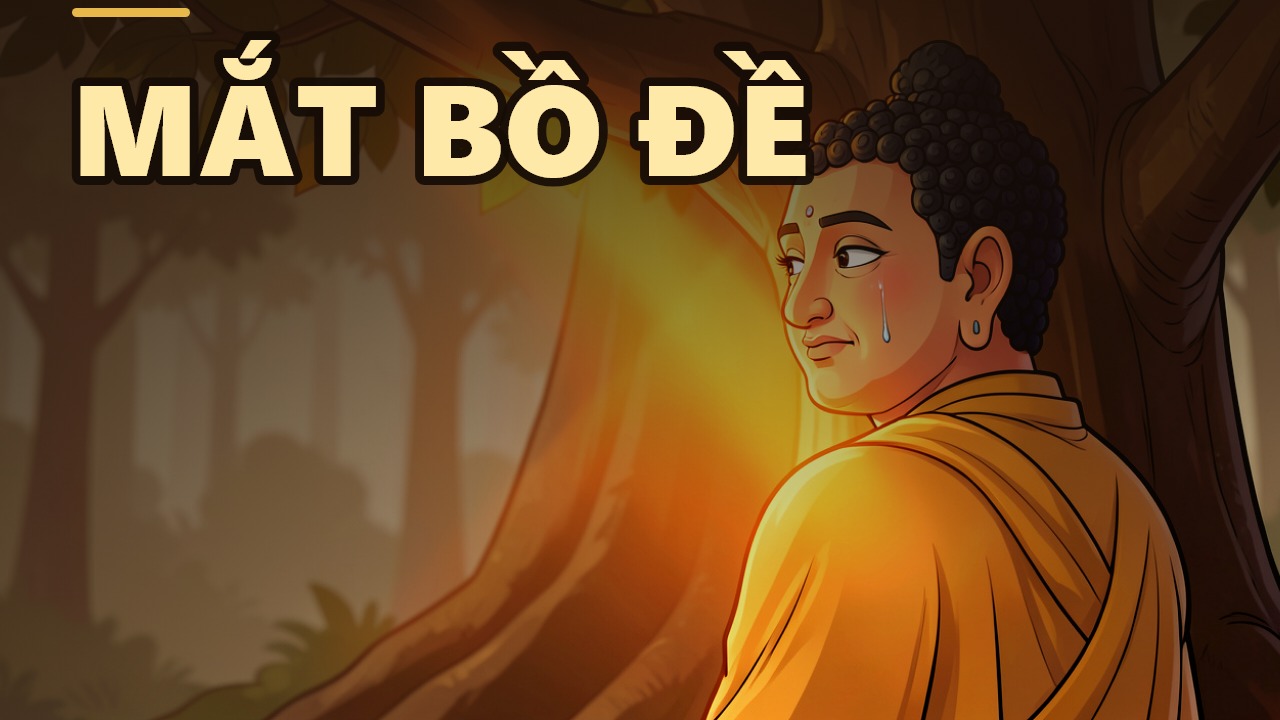
Have you ever wondered what the Buddha did after attaining enlightenment, before leaving the Bodhi tree? He did not rush out to teach. Instead, he stood quietly, gazing back at the tree that had sheltered him for forty-nine days and nights, keeping his eyes fixed on it for seven full days without blinking. This act is a profound symbol of gratitude, a quality we often overlook.
The Buddha standing motionless represents deep thankfulness toward this so-called insentient tree. In the Anguttara Nikaya, the Buddha affirms this clearly. He told the monks that when gratitude is cultivated, maintained, and developed, it becomes a characteristic of an enlightened noble one. We often assume that practitioners must let go of everything, but the Buddha teaches that gratitude is actually a noble attribute of the awakened. Is this not something we should learn?
Why is gratitude so difficult for us? Venerable Thich Chan Quang points out a natural human instinct. We remember forever when we help someone, yet we quickly forget when others help us. This tendency is universal. However, when we embrace the Buddha's teachings (Dharma), we must reverse this pattern. We should forget our own contributions immediately, practicing non-attachment to merit, while never forgetting the kindness shown to us by others.
Indeed, even animals can show gratitude. Seagulls rescue the injured, tigers repay favors, and lions embrace their former masters. Yet humans, clouded by ignorance, often forget small acts of kindness. A single potato or banana from a stranger might stay with us for life, yet the complete nurturing care of our parents is frequently taken for granted.
Vu Lan is more than just a day of filial piety; it holds layers of deeper meaning. Venerable Thich Chan Quang highlights three primary aspects. First, it is the Pavarana Day, marking the end of the rains retreat. Monks conclude their intensive practice and return to spreading the Dharma for the benefit of all beings. Second, it is a day of releasing suffering spirits, encouraging us to feel compassion for those unseen by our eyes and to pray for their liberation from suffering. Third, it is a day of gratitude, reminding us to cherish the debts of kindness we have received throughout our lives, especially from our parents.
Among all forms of gratitude, the debt owed to parents is the greatest. Venerable Thich Chan Quang speaks frankly about this foundation. If you cannot love your own parents, do not claim to love your friends deeply. Online friendships where someone becomes your entire world are often superficial. Without genuine respect and devotion to one's parents, other relationships in life may lack authenticity. We can truly measure a person's sincerity by how they treat their mother and father.
What about gratitude toward leaders? Venerable Thich Chan Quang references Confucius, who placed loyalty to the ruler above all else, but offers a modern interpretation. Leaders care for entire communities and societies, which are larger than any single family. Consider the road leading to your parents' home. Who built it? Who maintains it? We often forget these contributions. When rushing to visit a sick mother, we focus only on her, overlooking the countless people whose labor made our journey possible. This is a subtle form of ingratitude we rarely recognize.
Therefore, Vu Lan is not merely a time for making offerings to parents, but a moment for self-reflection. Let us learn to be grateful, for this is the hallmark of the noble ones. When we practice gratitude, our hearts expand to encompass all things, both visible and invisible. Use this day to return to your parents, to bow to the Buddha at the temple, and to express thanks to those who have supported you on your path. This is true happiness.
AI-assisted translation from the Vietnamese original.
Read in Vietnamese →