
Vu Lan: Living with Gratitude – A Message Beyond Filial Piety
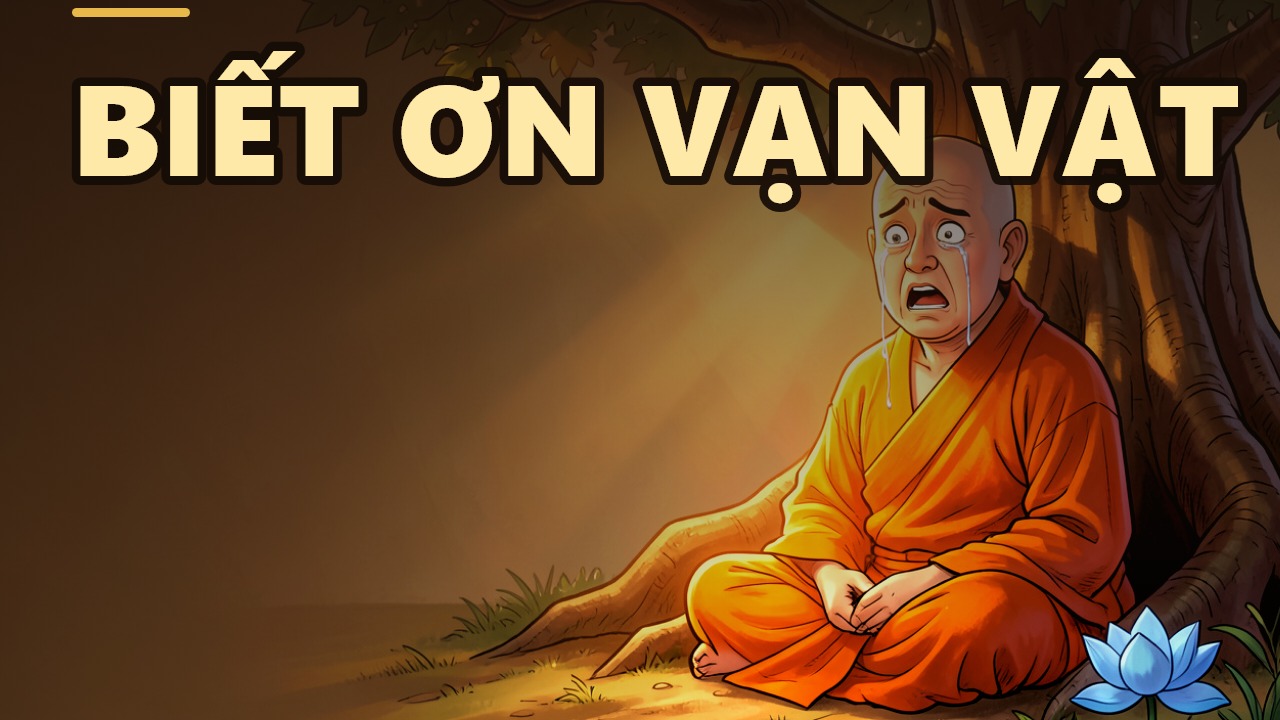
The Vu Lan season is not merely an occasion for honoring one’s parents; it is a profound reminder about gratitude and the way we should live with heartfelt kindness towards all beings and the entire world.
Have you ever wondered why the Vu Lan season moves our hearts so deeply? It is far more than a ceremony of filial devotion; it is a profound message about living with gratitude and connection to all things. A dharma talk by Venerable Thich Chan Quang during this Vu Lan season opened a perspective much broader than we commonly imagine.
**Vu Lan – More Than Filial Piety**
The Venerable began his talk with a truth often overlooked: The Vu Lan festival is not solely about repaying parental kindness. It also speaks of Buddhism’s engaged nature and the ethics of gratitude.
“The Vu Lan ceremony has two aspects. First, it highlights the engaged character of Buddhism. Second, it speaks of the ethical gratitude within a disciple of the Buddha.”
Buddhism is often seen as otherworldly, yet to truly achieve liberation, a disciple must live well in this life. One cannot despise the world to seek a divine realm. The Venerable affirmed:
“It is never possible for someone who has not lived well in this world to have the ability to transcend it.”
Therefore, Vu Lan is an opportunity for each person to reflect on their responsibility to life, to the nation, and to all sentient beings.
**Gratitude – The Gateway to Ethical Living**
In the flow of life, people easily forget the past to look toward the future. But a person of virtue keeps their gaze forward while preserving heartfelt connections behind. The Venerable recounted a story of the Buddha:
“The Buddha sat under the Bodhi tree in meditative concentration for forty-nine days and attained enlightenment. When he arose, he prepared to leave... He turned back to look at the Bodhi tree and stood motionless, entering concentration again to gaze upon it for seven days before finally turning away. This means he was grateful to the tree that sheltered him during his forty-nine days of immovable meditation, and he expressed gratitude even to this non-sentient being.”
This lesson is immense. Gratitude towards parents is the beginning and foundation that allows us to feel thankful towards teachers, friends, unsung heroes, and even inanimate objects. One who remembers the kindness of parents can be trusted to possess true moral character.
**Living with Gratitude Towards Things**
It is not only people but also objects that deserve our appreciation. The Venerable told of a man who continued to ride his old bicycle despite being relatively wealthy, remembering how it had accompanied him during times of hardship. The Venerable expressed admiration:
“There are objects that pass through our lives for a time. When we no longer use them, if we discard and forget them, we are people lacking in morality.”
When we throw away an object without considering the labor that created it, we are lacking gratitude. Even old items, if still usable, should be repurposed, not abandoned as waste.
**Discarding – An Act of Cruelty**
The Venerable pointed out that terms like “waste” or “trash” are among the cruelest words humans have invented. Because we no longer use something, we despise, abandon, and trample on it. This is destroying our planet.
“Waste. That is the cruelest, most heartless word humans have coined in the dictionary... Because it is no longer used, we despise, abandon, trample, and throw it away. This is the cruelty of humanity.”
He spoke of how the seas are invaded by plastic waste, making swimming impossible, and many creatures die from ingesting trash. All this stems from a lifestyle of ingratitude and toxic convenience.
**The Rice Pot for Pigs and a Culture Without Waste**
The Venerable suddenly asked: What is the most beautiful aspect of a Vietnamese family? Not the living room, but the “pig’s rice pot” – where leftover food is repurposed for animals. This is a precious cultural trait that is fading. He urged everyone not to discard carelessly, but to keep clean, dry waste for recycling. He clearly stated:
“Do not discard. The worst cruelty of humans is to pile all the trash together.”
Let us recycle and repurpose so that everything is useful, just as people are. To live this way is to live with meaning, connection, and accumulated blessings from merit.
**From Family to the World: Small Actions, Great Peace**
Beyond this, gratitude leads to praying for world peace. The Venerable affirmed the power of spiritual mind to change destiny. He recounted how a super typhoon once turned 90 degrees due to the collective prayers of Buddhist communities:
“The whole country, all our practice communities, prayed for Hue. Miraculously, when it was only about a hundred kilometers away, it turned at a perfect right angle and did not make landfall.”
Gratitude and practice extend beyond the family. When we eat vegetarian meals, practice repentance, and pray, we contribute to reducing negative karma for the entire world. Begin with the smallest actions: eating vegetarian for a few days, keeping waste clean, recycling items, and always placing prayers for peace.
This Vu Lan season, please do not stop at wearing a rose in memory of your mother. Open your heart to love and feel gratitude for all things and all people. This is how we live with meaning and connection, sowing the seeds of blessings for the world.
AI-assisted translation from the Vietnamese original.
Read in Vietnamese →