
The King Who Took Up Arms After Renunciation: The Extraordinary Life of Buddha-King Tran Nhan Tong
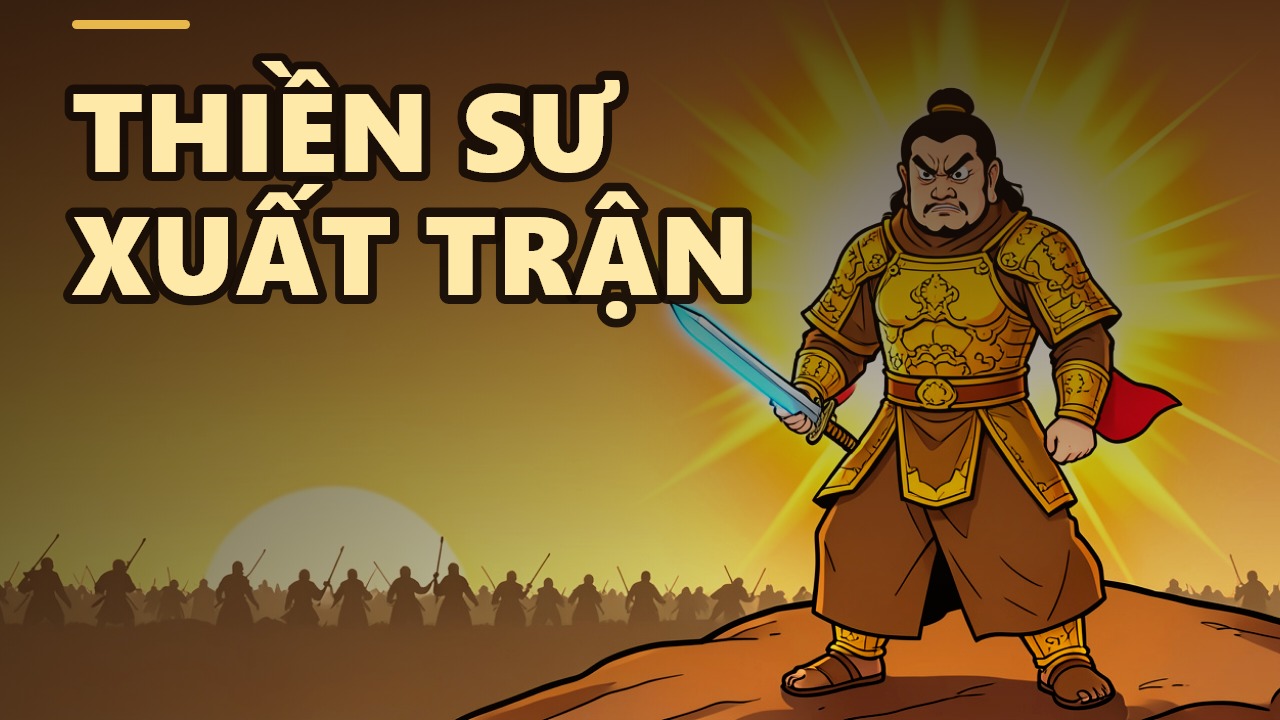
The life story of Buddha-King Tran Nhan Tong reveals that enlightenment is not an escape from the world. Rather, it is a deep understanding of cause and effect (karmic law) and the courage to act for one’s country and all sentient beings. There is a story often shared among Buddhist practitioners about a young king who, after attaining enlightenment, personally led his army into battle. This may sound like a paradox, but it is a true account belonging to Vietnam’s first Buddha-King, Tran Nhan Tong.
Enlightenment Is Not Escaping the World
We often assume that spiritual practitioners are those who practice letting go in a passive way, afraid to take action. However, the history of Vietnamese Zen Buddhism preserves a completely different example. King Tran Nhan Tong, even after realizing the truth, still took command of the troops to defend his nation. When the Ai Lao invaders attacked, he had already renounced worldly life, yet he personally led the army to suppress the chaos. This might seem contradictory, but it holds a profound lesson about the nature of enlightenment.
A person who has attained enlightenment clearly understands cause and effect (karmic law) and remains unclouded by ignorance regarding these laws. By deeply comprehending this truth, he realized that a king’s responsibility was to protect the land. If he had abandoned this duty through mere detachment, he would have created immense negative karma. Therefore, he dared to act, even accepting the heavy burden of taking life to preserve peace for countless people. This offers us a great teaching: do not fear small transgressions while neglecting the opportunity to create vast merit.
The Zen Master Who Led Armies
Imagine a retired emperor who, after passing on the throne and becoming a monk, dons armor and leads troops when his country is invaded. In the global history of Buddhism, such an event is unprecedented. Tran Nhan Tong was not only a Zen master but also a brilliant military strategist. Yet, what is even more remarkable is that he did not engage in indiscriminate slaughter. He understood the enemy’s tactics perfectly. He knew that if another general commanded the forces, the pursuing armies would inflict unnecessary casualties. With the wisdom of a sage, he fought only to the extent necessary to halt the threat, securing victory without creating excessive karmic debt.
When he led the troops, the subtle wisdom of a Zen master guided him. He stopped exactly at the point where victory was achieved, no further. This represents the ultimate understanding of cause and effect (karmic law): ensuring that neither he nor his nation bore the weight of unwarranted karma. Thus, enlightenment does not make one timid; instead, it makes one braver and more refined in their actions.
Traveling Everywhere to Break Wrong Views
After defeating the Ai Lao invaders, he did not return to the palace to enjoy peace. Instead, he walked with a staff from village to village, dismantling corrupt shrines dedicated to lustful deities and encouraging the people to cultivate the ten wholesome deeds. He did not sit idly waiting for disciples to come to him; he went out himself to spread the right Dharma. Because he was the retired emperor, the people respected and listened to him. Through this effort, he eradicated harmful customs that had persisted for generations.
He traveled everywhere to destroy these corrupt shrines and urged the populace to practice the ten wholesome deeds. This image beautifully illustrates the humility and diligence of a sovereign. Whether as a king or a Zen master, he remained free from arrogance, willing to undertake the hardest tasks to preserve and nurture the pure culture of his people.
Rebuilding Culture Through the Ten Wholesome Deeds
Rather than allowing temples of lust to remain, he taught the people to uphold the five precepts and practice the ten wholesome deeds. He saw clearly that distorted beliefs would destroy human morality. Without intervention, Vietnamese culture would decline. Consequently, he used both his authority and his wisdom to transform public perception, establishing a solid foundation for Buddhist culture. It can be said that he rebuilt the cultural identity for the sake of the Buddha’s teachings and his nation.
This reminds us that Buddhists should not practice solely for themselves but must also contribute to society. We need the courage to speak up against errors and outdated customs, spreading the beautiful values we have learned.
Lessons for Today’s Disciples of the Buddha
Reflecting on the life of Buddha-King Tran Nhan Tong, we learn that enlightenment is not avoidance. It is engagement with compassion and wisdom. An enlightened being understands the law of cause and effect (karmic law), accepts responsibility, and dares to perform difficult actions for the benefit of many. In our daily lives, let us not be fearful or passive. Let us boldly offer guidance when we see others straying, and commit ourselves to good deeds despite hardships. This is the spirit of the Buddha-King whom future generations still remember.
Today, on the anniversary of Avalokiteshvara Bodhisattva, let us honor his memory. Let us make vows to practice diligently, cultivate the ten wholesome deeds, and contribute to building a peaceful life for ourselves and for everyone.
AI-assisted translation from the Vietnamese original.
Read in Vietnamese →