
Why Is a Healer Called 'Thầy' (Master)? An Explanation from Venerable Thích Chân Quang
**Summary:** A dharma talk by Venerable Thích Chân Quang on the suffering of illness, the healer's mission, and the meaning of medical ethics in a market economy era.
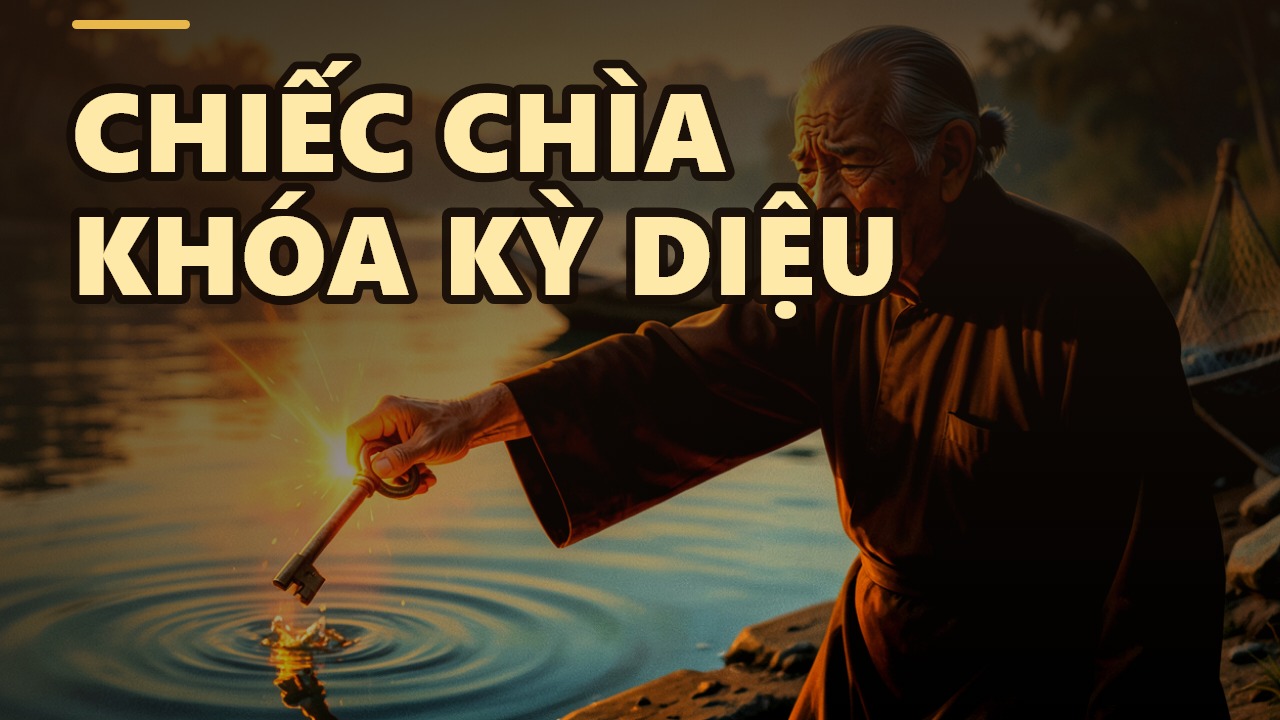
In a hospital room, have you ever watched doctors and nurses passing by in their white coats, their faces weary? What keeps them devoted to their profession amidst life's countless worries? The answer may lie in a story Venerable Thích Chân Quang tells about his grandfather, a traditional healer. This man once threw the key to his medicine cabinet into the river, disillusioned with his work, only to have life miraculously return that key to him. This became the starting point for profound reflections on medical ethics and human suffering.
**Suffering from Illness – A Part of the Ultimate Truth**
In Buddhism, birth, aging, illness, and death are the four fundamental sufferings. Venerable Thích Chân Quang emphasizes that no matter how advanced science becomes, these sufferings persist as an eternal reality. Therefore, the healing profession is more than just a job; it is a mission to care for people in their times of pain.
"The Buddha affirmed that no matter how far science advances, no matter what stage humanity reaches, these four sufferings will never be eradicated."
Illness spares no one and always stays one step ahead of science. This makes the role of the healer even more vital, as they are the ones who directly face and soothe the patient's pain.
**The Healer – A Support for the Vulnerable**
When people fall ill, they become vulnerable and unable to care for themselves. At such times, the healer becomes their steadfast support. The Venerable compares them to parents caring for a child, and also to a devoted child caring for an aging parent. For this reason, since ancient times, the Vietnamese have honored them with the title "thầy thuốc" (master healer) with deep respect and affection.
"These healers are the same. They care for frail patients who are in pain and cannot tend to themselves."
In Vietnamese tradition, three types of individuals are honored with the title "thầy" (master): * The Teacher (Thầy giáo) – who awakens wisdom. * The Healer (Thầy thuốc) – who cares for body and spirit. * The Monk (Thầy tu) – who guides the spiritual path.
All three represent selfless service, professional ethics, and a compassionate heart. But the healer has a special distinction: they directly support people when suffering from illness becomes overwhelming.
**The Miraculous Key – Healing as a Calling**
The Venerable's grandfather was a renowned traditional healer. One day, after facing misunderstanding and great humiliation, he threw the key to his medicine chest into the river and resolved to quit his practice. But then, a fisherman whose wife was in a difficult labor came seeking his help. In his haste, the grandfather simply said, "Take water and wash her face." The fisherman, believing it was a prescription, followed the instruction, and his wife gave birth immediately. The next week, the fisherman brought fish as thanks. When they cut open the fish, everyone was astonished to find the grandfather's key inside it. He realized:
"Heaven demanded that he return to the practice of medicine."
This story reminds us that healing is not merely a livelihood, but a calling—an invitation from the heart and the universe itself.
**Medical Ethics in a Market Economy Era**
Today, society is increasingly characterized by straightforward exchanges. Healers also need a salary and income to live. But this must not be allowed to erase their compassion and dedication. The Venerable warns that if economic interests prevail, the world will fall into deep darkness.
"We still dream of a human society where people love and serve each other devotedly without demanding too many rights for themselves."
Nonetheless, the Venerable believes that deep within the healer's soul, there always exists a love for the patient—a "quality of voluntary service" that cannot be erased. This is the bright light that society always cherishes and honors.
**A Moral Society – Where the Vulnerable Are Uplifted**
How can we judge whether a society is moral? The Venerable offers a simple standard: look at how they treat the vulnerable—the sick, the poor, the elderly, the uneducated. Where there is a constant effort to uplift these individuals, there lies morality.
"Where there are people who always seek to uplift the vulnerable, the sick, those in need, the poor, the uneducated, minorities, the young, and the elderly, there we see a society with morality."
The healer is the embodiment of human conscience, helping the patient stand up after an illness and continue walking on their own feet. This is a beautiful expression of social ethics.
No matter who you are—doctor, nurse, or patient—remember that the sufferings of birth, aging, illness, and death are part of life. But within these very sufferings, compassion and medical ethics can become a guiding light. Let your heart open like that of a true healer, offering care and understanding, so that this life becomes warmer and more meaningful.
AI-assisted translation from the Vietnamese original.
Read in Vietnamese →