
Why Did the Buddha Remain Silent Amid a Grand Offering? A Lesson on Generosity and Wisdom
**Summary:** Through the story of the Buddha's silence following King Pasenadi's offering, this dharma talk reveals the true meaning of giving: the wise do not hoard but share to bring peace and joy to others—this is the path to true happiness.
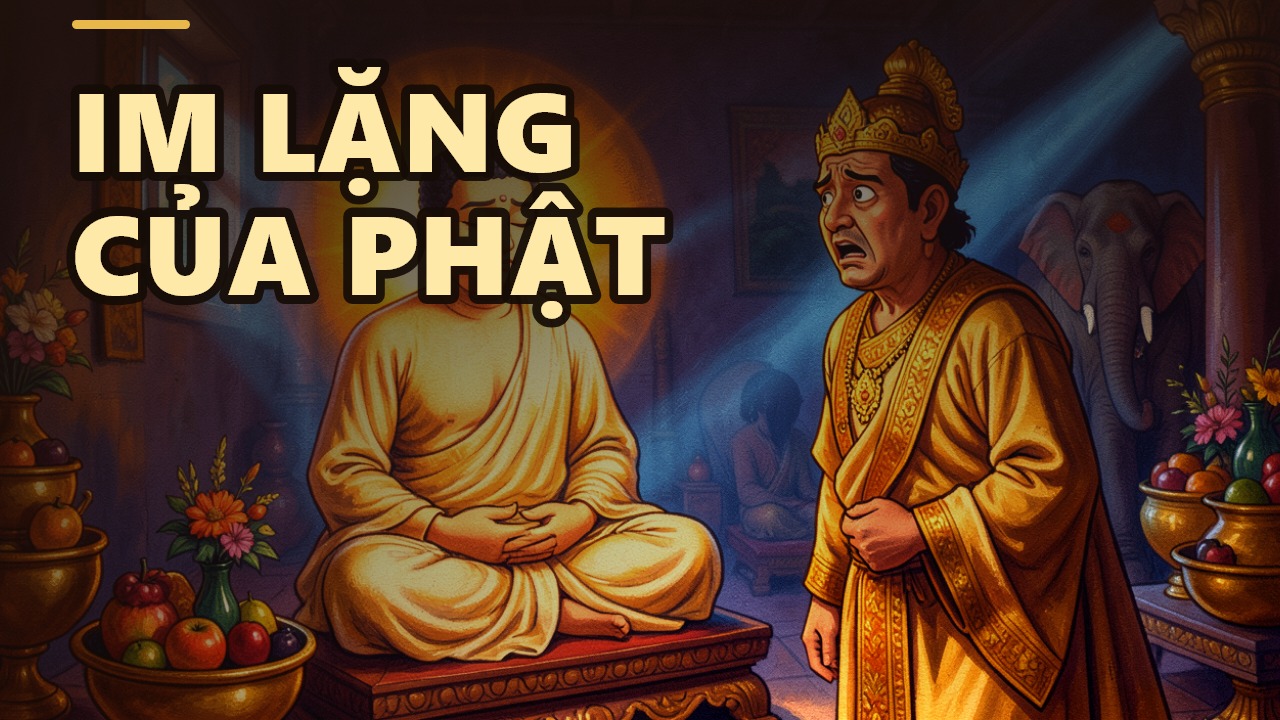
When King Pasenadi held a magnificent offering ceremony to express his reverence for the Buddha after the Master had converted Angulimala, he spared no effort or expense, even lining up elephants. Yet after the meal, the Buddha left in silence without a word of praise or teaching, as was customary. The king grew worried and puzzled. Why did the Buddha act this way?
**The Foolish Fear Giving, the Wise Delight in Sharing**
The Buddha explained that during the offering, a minister named Kāla saw the great expenditure of state funds and felt regret. If the Tathagata had praised and congratulated the king, this minister would have harbored worse thoughts, believing the Buddha was encouraging lavish spending. Therefore, the Tathagata remained silent to prevent him from falling into a lower state. Meanwhile, another minister named Cunda rejoiced; after hearing a verse, he attained the fruit of Stream-Entry.
The foolish fear generosity; the wise delight in sharing. Those with miserly hearts cannot be born in heavenly realms.
This verse teaches that generosity is a mark of wisdom, while miserliness is ignorance. But why is virtue synonymous with wisdom?
**Morality and Wisdom Are One**
Venerable Thích Chân Quang teaches that "a person with wisdom is a person with virtue, and a person with virtue is a person with wisdom." When someone blocks the road, a kind person looks around and lets it go to avoid traffic congestion. We might call it morality, but in truth, it is wisdom. The angry person who insists on arguing might seem shrewd, but they are actually foolish.
"Virtue and wisdom are one."
Helping the suffering is not just kindness; it is wisdom. They see the long-term consequences, knowing that if they turn away, their mind will be haunted for a lifetime. The foolish only care for themselves, blind to the distant effects.
**What Should We Do With Surplus Money?**
The teacher explains that when we have extra money, the first step is to set some aside for financial security. However, if savings exceed what is needed for emergencies, it becomes "idle and useless money"—a potential misfortune. There are three wise ways to use it: invest it to create jobs, place it in banks to circulate capital, or give it away in offerings and charity to make merit. The most courageous choose the third option, and it is the way to the happiest life.
The talk further emphasizes that whether for a nation or a family, financial reserves are essential. But when surplus exceeds the safety threshold, we should actively share. If a crisis like a natural disaster strikes, one might even use the reserves to help others. That is a great deed of blessings.
**Making Merit Is Bringing Peace and Joy**
Not all giving constitutes making merit. The true definition of "making merit" is helping others attain peace and joy. For example, giving a poor person a piece of bread eases their anxiety from morning until noon—that is merit. Giving them money for drinking and gambling might bring fleeting pleasure but not true peace, so it is not merit.
"When we help someone and bring them peace and joy, that is making merit. If we help someone and leave them more anxious, that is not making merit."
Over many lifetimes, helping others find joy crystallizes our mind into a diamond of meditative concentration, solid and indestructible. That is the fruit of generosity.
**To Live Well Is to Know How to Share**
In our busy lives, let us pause for a moment to look around. If we see someone in suffering, let us do something, however small. Giving not only brings joy to others but also brings a lasting peace to our own mind, a well that never runs dry. This is the path of the wise, the virtuous, and the truly happy. Do not hesitate; begin today.
AI-assisted translation from the Vietnamese original.
Read in Vietnamese →