
Is Practice Easy or Difficult? The Answer Lies in the Smallest Acts
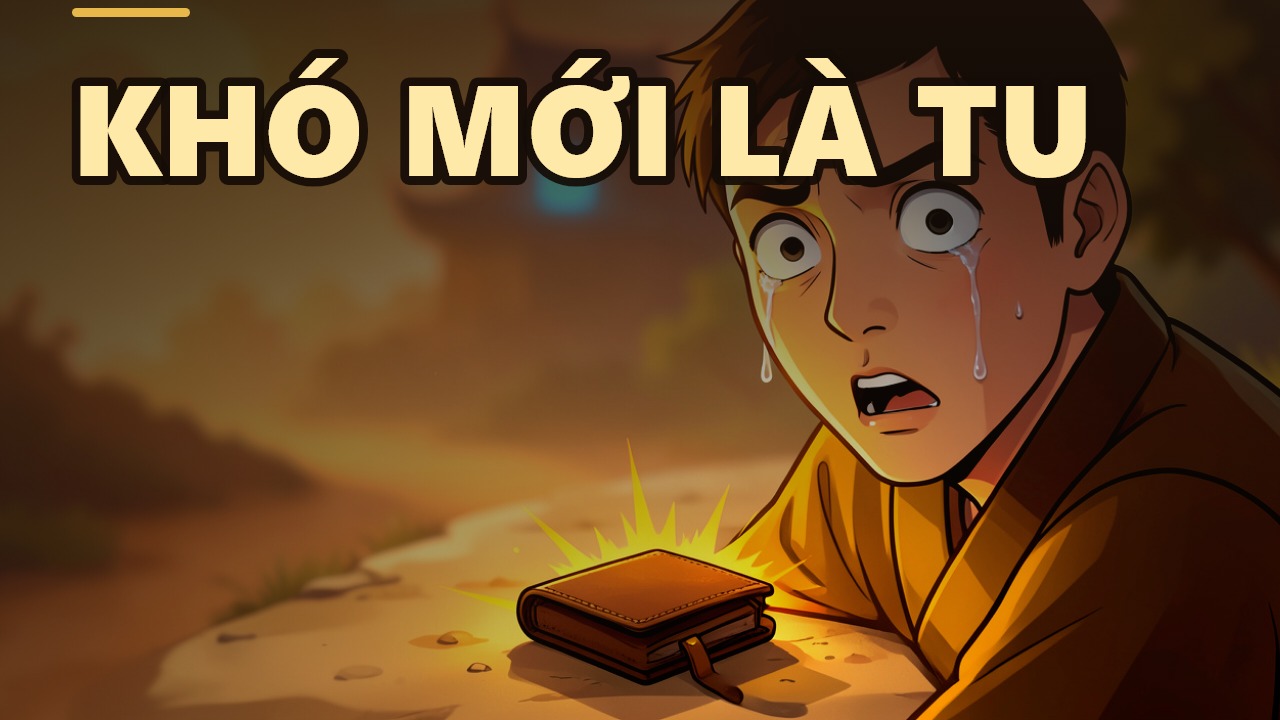
No one claims that spiritual practice is easy, yet why must we still walk this path? This article shares daily challenges and four conditions for progress, helping you recognize true practice aligned with the Dharma. Have you ever wondered why some say practice is simple while others call it difficult? Imagine finding a dropped bill on the street. Do you pocket it for ease, or seek its owner despite the difficulty? This small question reveals the nature of practice: it is not easy, but it is the only path to liberation.
Practice Is Not Easy, But Without It We Remain in Samsara
Venerable Thich Chan Quang once emphasized: "Those who claim practice is easy are merely tempting us; in reality, it is very difficult." Transforming from an ordinary person into a noble one requires diligent effort and correct alignment with the Buddha's teachings (Dharma). If we practice incorrectly, even after countless lifetimes, we may fall into delusion. Yet without practice, we remain trapped in samsara (cycle of rebirth), enduring endless suffering (dukkha). Therefore, despite the difficulty, we must continue.
Facing Ourselves in Every Moment
The challenge of practice lies in the smallest details. When you see a student unable to afford a ticket home, and you have money in your pocket, what do you do? Ignoring them is easy; giving is hard. Venerable Chan Quang teaches: "Practice is fighting oneself to see which side wins. Refusing to help is easy, but it burdens the mind/heart for a lifetime." Each time we refuse a good deed, we lose inner peace. However, when we perform difficult acts of kindness, we receive the reward of deep tranquility.
Every Victory Over Temptation Builds Spiritual Power
On the path, we face external temptations like wealth and fame, as well as adverse conditions. Can we remain calm when falsely accused? Can we stay steadfast if tempted to abandon our teacher for someone wealthier? These moments are truly difficult. They require a level of meditative concentration within the mind/heart to generate the spiritual power needed for endurance and peace. Each victory accumulates merit and becomes a foundation for future lives.
Do Not Let the Ego Deceive You
After overcoming temptations and hardships, a more dangerous enemy appears: self-praise. While we might dismiss compliments from others, recognizing our own pride is subtle. Venerable Chan Quang warns: "Self-praise destroys us more than any external enemy." This internal trap goes unnoticed by others. Thus, practitioners must cultivate mindfulness to identify these states and engage in repentance daily.
Four Conditions for Progress in Practice
Venerable Thich Chan Quang outlines four essential conditions for advancement. First, align with the correct Dharma. If years of practice yield no progress, examine your method rather than trusting empty praise. Second, maintain diligent perseverance. Even with the right teaching, laziness or insufficient intensity leaves the mind scattered. Third, allow sufficient time. You may be practicing correctly, but this could be only the fifth life in a thirty-life journey, so results have not yet manifested. Fourth, possess adequate merit. Past blessings from generosity and helping sentient beings greatly support current progress. Do not despair if results are slow. Check these four conditions to understand what is lacking and continue striving.
Respect Monastics, Understand Their Journey
Laypeople should respect monastics who have left home, shaved their heads, and kept precepts. However, if you notice remnants of greed, hatred and delusion in teachers, offer compassion. Ordination does not mean immediate enlightenment. They are still on the path. As Venerable Chan Quang notes, if they were fully enlightened, they would not be here among us. View them as those walking ahead, learning from them to expand your own tolerance.
Practice is indeed difficult, but each small victory makes us stronger. Choose the harder path for the greater reward: eternal peace in the mind/heart. Begin today with the smallest acts: returning lost items, sharing money, or restraining anger. This is how you step onto the path toward enlightenment.
AI-assisted translation from the Vietnamese original.
Read in Vietnamese →