
Are Our Ancestors Saving Us, or Are We Saving Them?
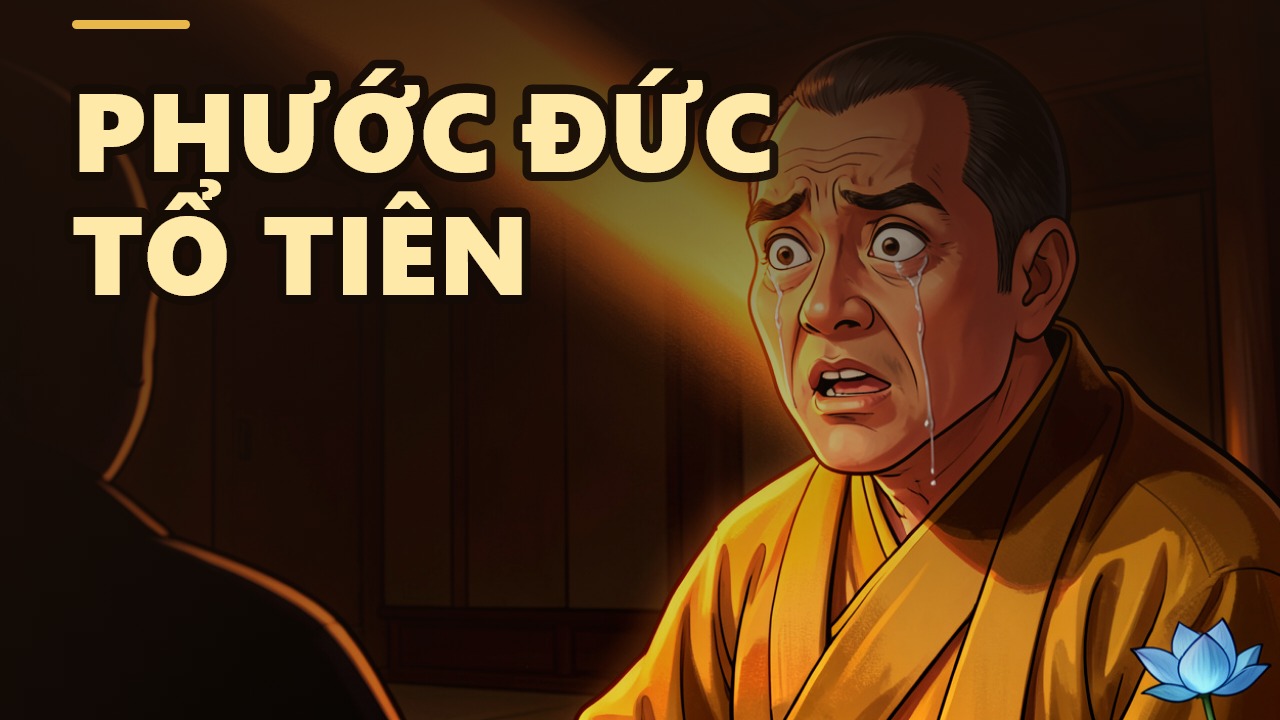
This article explores the karmic connection between ancestors and descendants through a Buddhist lens, offering insights on practicing filial piety during the Vu Lan season. Whenever we face difficulties, many of us instinctively cry out, "Mother, save me!" or "Grandparents, please protect me!" Yet, when the Vu Lan festival arrives, we organize ceremonies to pray for our ancestors' liberation. So, who is truly saving whom?
The Paradox in Prayer
In a recent dharma talk, Venerable Thich Chan Quang raised this question, startling many listeners. If we constantly ask our grandparents for protection, why do we pray for their liberation during Vu Lan? He asked: If our ancestors possess such power, why do we perform rituals to save them in return? In truth, this depends on each person's merit. Those with great blessings can help their descendants, while those with less merit need assistance from their children. Therefore, performing Vu Lan ceremonies is always beneficial. If ancestors have merit, they rejoice seeing their descendants' filial piety; if they are suffering, they receive aid through these prayers.
Merit Born from Ancestral Virtue
The teacher explained that when a person lives ethically, even in poverty, they create two results: one for themselves in future lives, and another left for their descendants. This explains why some poor families naturally see their children thrive and succeed. Conversely, if ancestors lived unethically, the family line may decline. Virtuous conduct is an invisible asset that each of us can leave for future generations.
The Role of Daughters-in-Law in the Family Line
Venerable Thich Chan Quang also emphasized that a family's merit can increase or decrease based on the daughter-in-law. A virtuous wife adds to the family's blessings, while an unethical one may cause the lineage to collapse. Thus, our forebears were careful when choosing brides for good reason. A woman who practices mindfulness and shows respect to her parents-in-law is a precious treasure.
Teaching Children Fundamental Ethics
To maintain a strong family line, parents must educate their children about belief in cause and effect (karmic law), love, and humility. Crucially, parents must practice what they preach first. The teacher advised: It is better for others to wrong us than for us to wrong others. This principle leads to a peaceful life and leaves blessings for descendants.
The Boundlessness of Compassion
Beyond blood ties, the Buddha taught that compassion is infinite. Even without shared ancestry, we can love all sentient beings. This noble ethic is accessible to everyone. We should not stop at being filial to our grandparents but extend our love to all people.
Vu Lan is not just a day to repay kindness; it is an opportunity to reflect on our relationship with ancestors and learn to live better. Regardless of who saves whom, what matters most is a heart of filial devotion and daily wholesome actions. Let us practice filial piety today, bringing joy to ourselves and to others.
AI-assisted translation from the Vietnamese original.
Read in Vietnamese →