
The Spiritual Journey of Confucius: Reflecting on Our Own Path of Practice
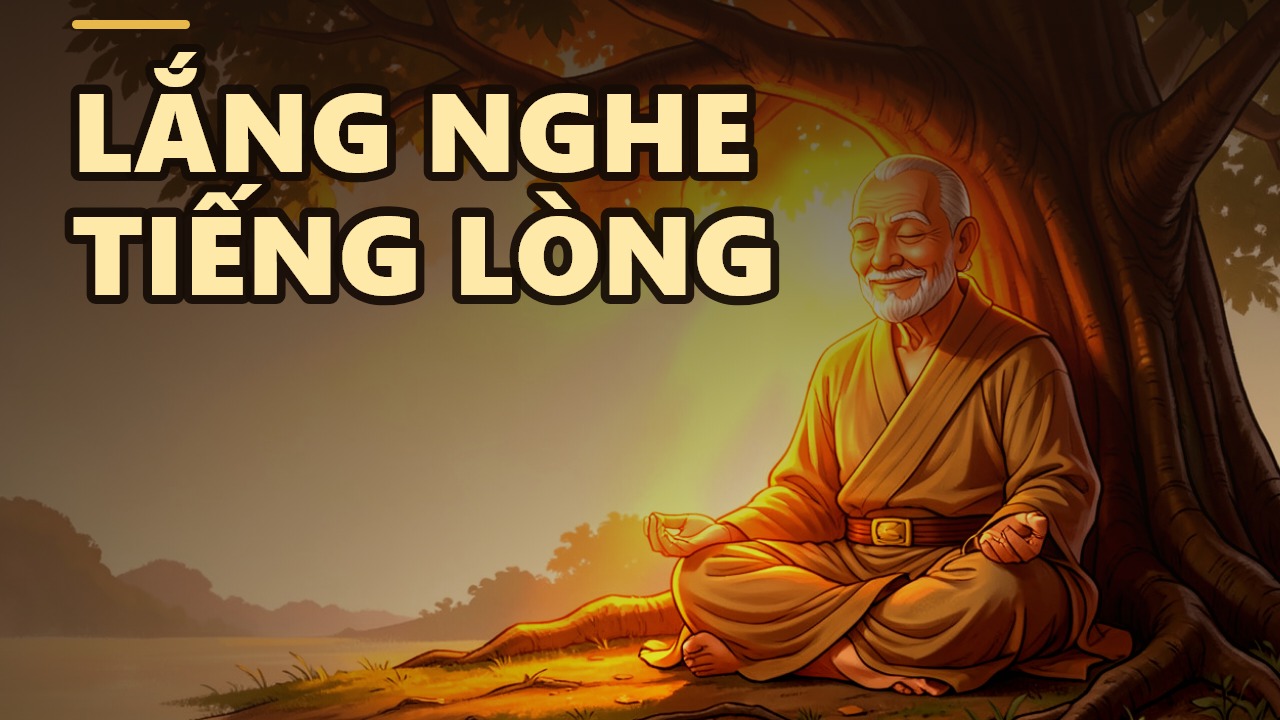
Confucius experienced profound spiritual turning points from the age of fifteen to seventy. Through the teachings of Venerable Thich Chan Quang, we come to realize that his journey also mirrors the path of Buddhist practice for each of us. Have you ever wondered why some people live to old age with a heart full of turmoil, while others become incredibly peaceful and free? The answer lies in the progression of their consciousness. In the dharma talk titled "The Spiritual and Consciousness Journey of Confucius," Venerable Thich Chan Quang offers a creative perspective on the life of this Great Teacher of All Ages, while simultaneously illuminating our own path of cultivation.
### The Happiness of Those Who Understand the Way
According to the teacher, those who do not understand the Way seek happiness in self-gratification. However, those who truly understand find joy in the happiness of others. Their personal happiness in this life is defined by seeing others happy. When you see a fellow practitioner sitting with dignity, or hear good news about a companion on the path, a sincere practitioner immediately feels a spreading joy. This is the result of transforming a narrow ego into a vast, inclusive sense of self.
### At Thirty, Establishing One’s Path
Confucius said, "At fifteen, I set my heart on learning." Yet it was not until he reached thirty that he truly established himself, defining the direction of his life. "At thirty, one stands firm." This does not mean starting a family. The word "stand" or "establish" here is magnificent. It means to design, confirm, and fix the path one walks. In Buddhism, awakening to the truth is the first step in establishing one’s path of practice. Many have practiced for decades yet still lack clear direction, wandering in doubt. Remember to ask yourself sincerely: Why am I practicing? And answer honestly.
### At Forty, Free from Doubt
The teacher explains there are two types of doubt. First is doubt regarding the path of practice; this disappears when we achieve realization. Second is doubt in daily conduct, which only a bodhisattva can fully overcome. "At forty, one has no doubts." This means being free from hesitation in all matters. We all make mistakes due to ignorance and emotional reactivity. Reaching a state of no doubt means every word and action is appropriate, creating no new karma. This is the aspiration of a bodhisattva.
### At Fifty, Knowing the Mandate of Heaven
Many interpret this phrase as fortune-telling, but the teacher clarifies that it refers to the supernatural ability to see past and future. Only a single thought capable of knowing past and future makes this statement true. Through right thinking and correct practice, the mind becomes pure, and intuition arises. This is a precious leap forward that anyone can strive to reach.
### At Sixty, The Ear Becomes Obedient
To have an "obedient ear" means understanding everything heard without irritation or afflictions (kleshas). Whatever is said, it is accepted smoothly. What does this signify? It signifies freedom, the end of afflictions, and the cessation of greed, hatred, and delusion. In meditative concentration, a practitioner may reach this state sooner. However, because Confucius walked the path of ethics and reason, it took him sixty years. Do not be discouraged, for each person has their own conditions (dependent origination) and unique path.
### At Seventy, Following the Heart’s Desire Without Transgressing Rules
This is the most profound saying. The heart desires something, and one acts accordingly, yet never steps outside the boundaries of propriety. This point is extremely deep; it would take many lectures to fully explain its meaning. Ask yourself: If you were not afraid of criticism, what would you want? Often, we discover that our hearts still hold naive cravings and slight desires to break the rules. Achieving this level means all desires have been purified and returned to the principles of the Dharma.
### Conclusion: Begin Today
Confucius’s journey was slow but very steady. Through his example, we realize that spiritual practice is not about forcing ourselves into rigid molds, but about allowing the soul to expand and become increasingly free. Start today: try letting go of a little selfishness, establish your path clearly, and take one step each day toward true freedom.
AI-assisted translation from the Vietnamese original.
Read in Vietnamese →