
Shallow Love or Deep Love? Are You Loving the Right Way?
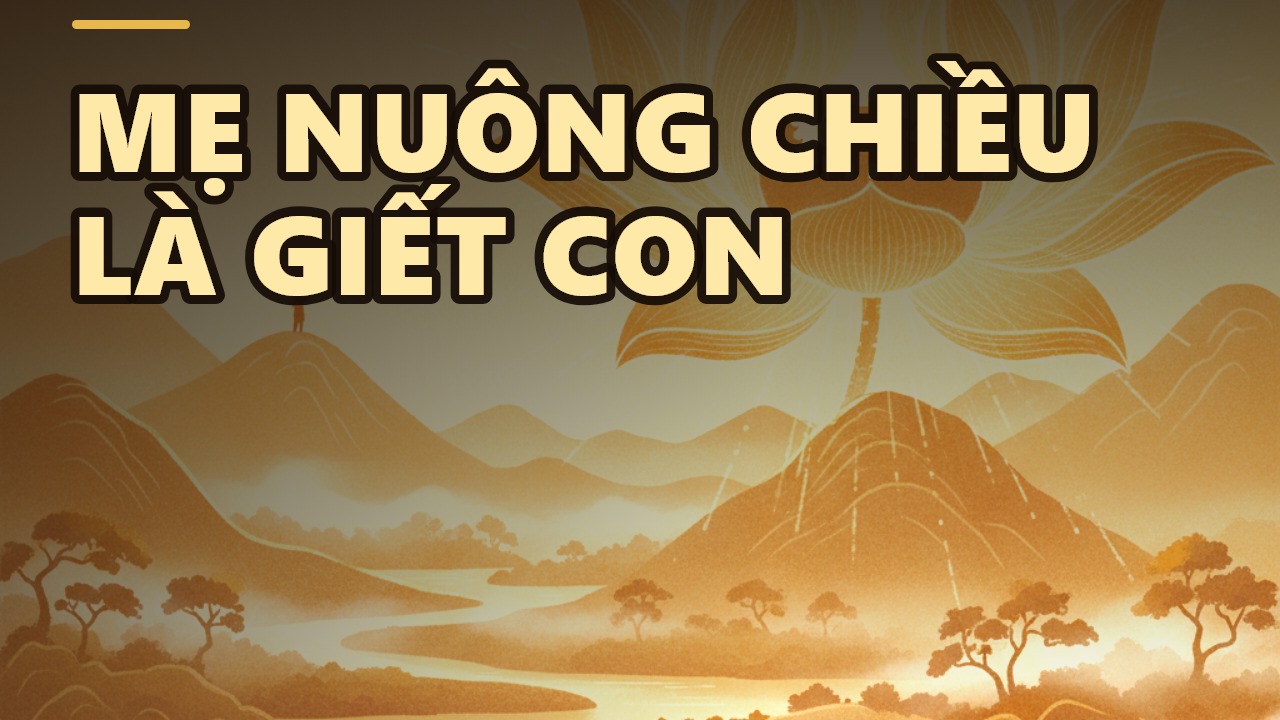
A dharma talk by Thầy Thích Chân Quang opens up two levels of love: shallow and deep. Understanding this helps us avoid unintentionally harming the people we cherish, so that we may love with wisdom and through education.
There was once a mother who loved her child so much that she indulged his every wish, until he became so spoiled that no one could teach him. There was also another mother who loved her child but raised him with great strictness, willingly taking him to the temple so he could learn to serve others. Both mothers loved their children, yet one was destroying her child while the other was lifting her child up. Which way are you loving?
What is happiness?
In his New Year dharma talk, Thầy Thích Chân Quang spoke of those who return to the temple on the first day of the lunar year as a sacred reunion. Not everyone is the true child of the Buddha, but when we place the deepest devotion of our lives in the Buddha, we receive a guarantee that we will not be lonely in old age. Thầy said:
"The day we place our most sacred devotion in the Buddha is the day we will not be lonely in old age. But this kind of not being lonely means we gather together in the Dharma, in the practice of spiritual cultivation."
Thầy also shared a very simple formula: Happiness = Peacefulness × Love. When we let go of all turmoil, conflict, and comparison, and only peacefulness and love remain in our heart, that is true happiness.
Why do we love?
Love is both an instinct and a karmic bond. Thầy classified five origins of love:
Habit and preference: seeing a dog and feeling affection, being instantly drawn to beauty, without any karmic bond.
Karmic bonds: spouses, friends, children — people naturally connected across many lifetimes.
Admiration: talent and virtue that inspire our respect and affection.
Morality: learned from the Buddha's teachings (Dharma), from a heart of compassion, we love all people unconditionally.
Instinct: a mother's love for her child, the natural affection of all living beings.
Shallow love: Indulgence unintentionally harms
Thầy warned of a paradox: people kneel to propose, offer rings, and promise lifelong love. Yet the very ego that is elevated to its peak in that moment will lead to divorce. Thầy said:
"To love is to lose a great deal within the household. When we love someone, we become indebted to them."
When we love someone through indulgence, we cause their ego to swell. The one who is loved unknowingly becomes a victim of that very love. Thầy affirmed:
"The way we love can very quickly drain the blessings from merit of the one we love."
Deep love: To love is to educate, to help others reduce their ego
To love deeply, we must have the strength to restrain ourselves and true wisdom. Rather than fulfilling every desire, we guide those we love toward spiritual practice, so they may serve others and discover genuine happiness. Thầy said:
"When we love someone, we must educate them, no matter what. The more we love, the more we educate."
Bring the ones you love to the temple, let them serve meals and help others. When we help build their soul, we have truly succeeded.
Choosing to love with wisdom
Each day, as we meet people, we can notice how they love: one person keeps indulging, another keeps educating. The lesson from Thầy invites us to ask ourselves: "In what way am I loving this person?" Lasting happiness does not come from indulgence, but from peacefulness and sincere love.
Love deeply
The mother who loves her child yet disciplines him firmly, the friend who loves and guides you to the Dharma, the husband who loves his wife without letting her become dependent — let us begin today:
Restrain ourselves when we feel the urge to indulge someone.
Bring our loved ones to the temple, to the true Dharma.
Always act for their long-term growth and happiness.
Loving deeply brings true happiness. Let us practice this in our lives right away.
AI-assisted translation from the Vietnamese original.
Read in Vietnamese →