
Worshipping the Buddha Properly: Why Rituals Matter in a Buddhist’s Life
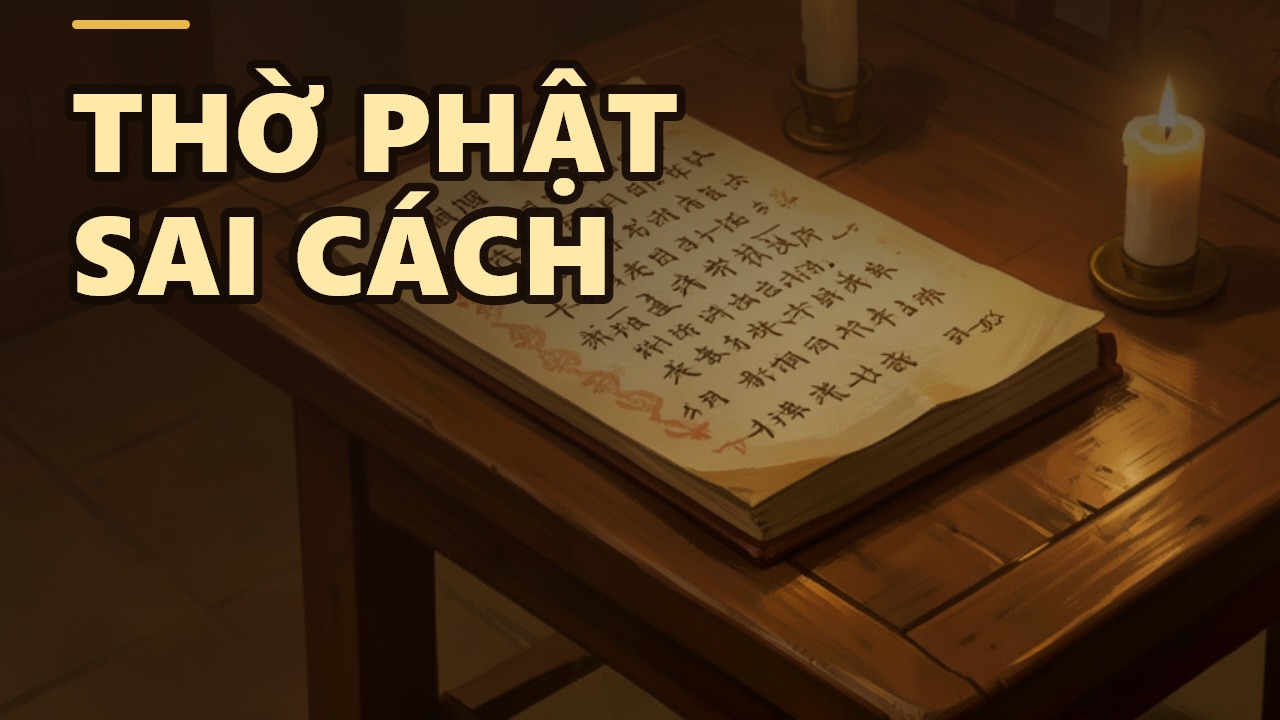
Venerable Thich Chan Quang guides us on how to worship the Buddha with dignity, from choosing the altar’s location to maintaining an attitude of respect. This helps practitioners avoid diminishing their blessings from merit and live in accordance with the Dharma. Have you ever wondered why your life remains difficult despite worshipping the Buddha sincerely? The cause may lie in something simple: we are not worshipping correctly. Rituals are not merely external forms; they reflect our inner state and measure the reverence and faith of a disciple.
## Rituals: A Mirror of the Inner Mind
In his teachings on ritual, Venerable Thich Chan Quang explains that every external action reflects internal thoughts. He states that rituals, whether called form or abstract language, serve to express the mind/heart. When we are angry, we cannot smile brightly. When we love, we ask after others with care. Therefore, observing proper etiquette when visiting temples or worshipping is not just about rules. It is a way to show our deep reverence for the Three Jewels.
## Worshipping with Dignity: The Foundation of Blessings
Worshipping the Buddha is not only about expressing respect but also declaring one’s stance as a disciple. Placing a Buddha altar at home affirms to everyone that we are steadfast followers of the Buddha. Venerable Thich Chan Quang emphasizes that first, we honor the Buddha, and second, we confirm our commitment to following His path. Furthermore, the place of worship must be chosen with great dignity. He warns that neglecting this can unknowingly deplete our blessings from merit. Mistakes such as placing the altar near beds, guest seating, or areas used for drinking are disrespectful to the Buddha’s image and diminish our spiritual wealth.
## Common Mistakes to Avoid
Some people place the altar in a busy corner because their family does not yet believe in the Buddha. Venerable Thich Chan Quang advises that if a dignified space is unavailable, it is better to create a separate, discreet area for worship, free from daily disturbances. If the whole family is not yet ready, keep daily life normal but store the incense burner behind a light door. Entering that quiet space each day to bow to the Buddha creates a more solemn atmosphere for meditation. Additionally, do not place ancestral tablets on the same level as the Buddha altar. Bowing to the Buddha while facing ancestors can inadvertently reduce the ancestors’ blessings. It is best to place ancestral altars on either side or in a different location.
## Respecting Differences Among Schools
Buddhism has many schools, each with its own rituals. We should not use one school’s practices to criticize another. As the teacher notes, while rituals differ among schools, we must understand and empathize with those who follow different traditions. True respect means honoring diversity within the Sangha.
## Reverence in Small Details
Venerable Thich Chan Quang shares a story of a holy monk who appeared unkempt and did not bathe for days. However, when he walked over a floorboard hiding Buddhist scriptures, he crawled on his hands to avoid stepping on them. Despite his rough appearance, his reverence for the Dharma was profound. This teaches that true respect for the Buddha’s teachings resides in the mind/heart, not just in outward appearances. Practitioners should cultivate this reverence in every small detail. Remove your hat and bow when passing a statue, wear respectful clothing when entering a temple, and perform each gesture with sincerity during ceremonies. Neglecting these small acts can lead to a troubled life.
## Conclusion: Advice for Every Family
Arrange your Buddha altar with dignity and avoid minor disrespect to steadily accumulate blessings from merit. Every small detail in ritual is a lesson in gratitude and respect. We practice not for others, but to purify our own minds and find peace. Start with the simplest things: a dignified place of worship, a sincere bow to the Buddha, and a gentle inclination of the head when passing a statue. From these humble beginnings, blessings will naturally flow toward you.
AI-assisted translation from the Vietnamese original.
Read in Vietnamese →