
The Hidden Mind: The Secret That Determines Our Merit and Demise
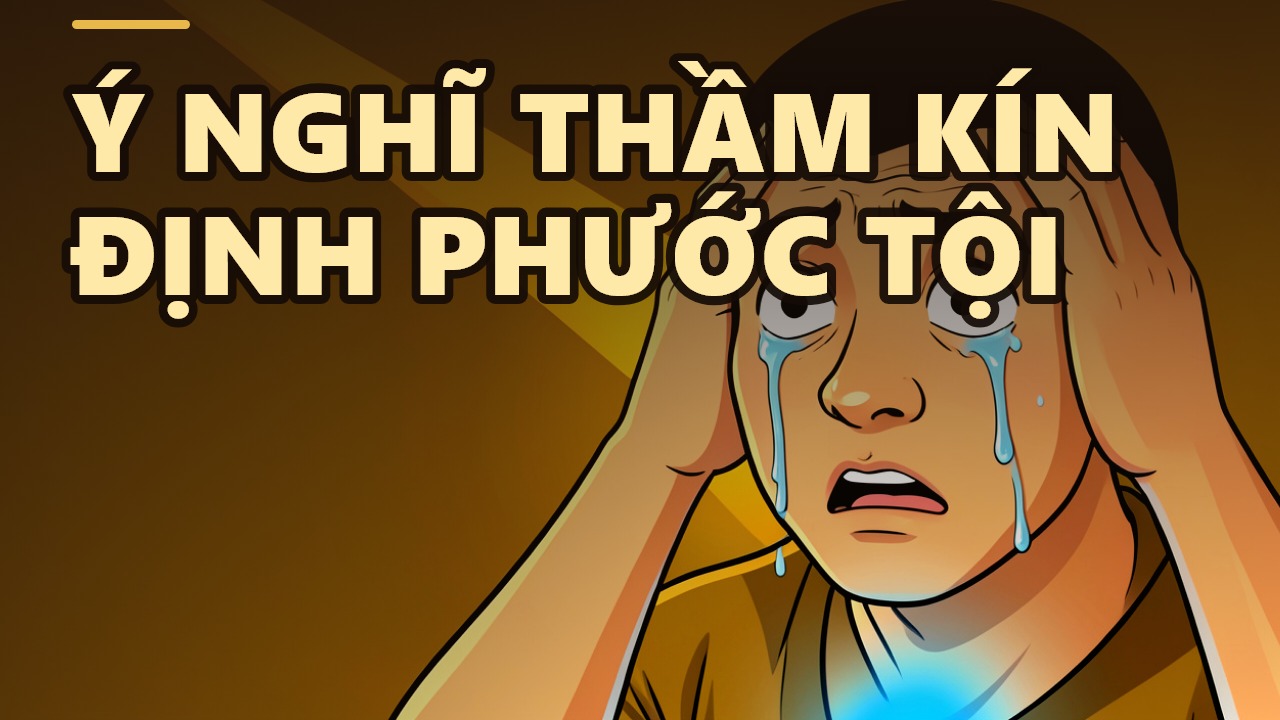
Have you ever wondered why some people seem to encounter luck at every turn, while others face a relentless string of misfortunes? Is it all merely fate? In a dharma talk at Bat Trang Pagoda, Venerable Thich Chan Quang revealed that the answer lies within the hidden thoughts we nurture each day. These private reflections, seemingly known only to us, are actually the seeds that determine our merit and demerit.
Why Are Hidden Thoughts So Important?
We often focus on external actions, forgetting that the mind is the true root. A bad deed is easily seen by others, but negative thoughts slip in silently, with no one there to stop them. Venerable Chan Quang warned that these hidden thoughts govern our spiritual life and karmic balance, yet remain invisible to others who cannot help us correct them. Death comes when the thoughts within us can no longer be read or adjusted by anyone else, leaving us solely responsible for their consequences.
If we secretly cultivate negative thoughts, they grow stronger and may eventually destroy the brain itself. The teacher shared the story of a handsome man with successful children who suddenly developed paranoia. When he came for guidance, the teacher realized that his hidden thoughts had shattered his mental stability; once ripe, this internal chaos caused his brain to deteriorate.
Planting Trees and Releasing Animals: Seeds of Life and Longevity
How then do we transform such karma? Venerable Chan Quang offered a method that is both simple and profound: releasing animals. He explained that the New Year’s festival of releasing creatures is not just spiritually significant but logically sound. By freeing fish and birds, we create life for the planet, and the karmic result returns as life for ourselves. He asked, “What is the fruit of giving life to the world?” The answer is that we receive life in return. This word “life” holds two meanings: living healthily and living long.
He recounted a story of a man whose lifespan appeared to be ending. The teacher advised him to buy three tons of fish to release into the river. The man managed to purchase two tons and relied on the community’s chanting for peace. Although he suffered a heart attack, he survived and has since lived robustly by continuing to perform acts of merit. This serves as clear evidence of the power of releasing animals.
Intentional Effort: The Golden Key to Controlling Thoughts
Beyond physical actions, we must practice “intentional effort,” which means actively generating positive thoughts. The teacher taught that when we see others succeed, we should not feel envy but instead wish for them to possess matching virtue. When we witness failure, we should not mock but hope they repent and rise again. When we ourselves succeed, we must avoid pride and instead pray for many others to achieve success too.
Venerable Chan Quang emphasized, “Every time you succeed, immediately generate the wish for others to succeed as well, so that our country and the entire world may flourish.” These small affirmations act like mantras to purify the mind. With diligent practice, we can overcome the hidden tendency to rejoice in others’ misfortune or criticize their failures.
Understanding Others’ Mistakes Correctly
When we see someone err, we often rush to judge. However, the teacher reminded us, “Do not condemn. Do not spread negativity or criticize. Understand that for this mistake to occur, they must have committed an error beforehand.” Often, that prior error involves disrespecting sacred beings, attacking revered figures, or mocking others’ faith. Small acts, like laughing at someone bowing before a shrine, can plant seeds for grave sins later. Instead of contempt, we should feel compassion, offer help, and wish for their awakening.
Transcending Personal Bias to Live Justly
Finally, living according to cause and effect (karmic law) means not being swayed by personal favoritism. The teacher stated, “Our faults begin here, with subjective bias. Why do we practice? We come to the temple to transcend this partiality.” When we live impartially—supporting the good and correcting the bad without preference—our virtue grows, not only in the worldly realm but also in the spiritual dimension. He affirmed that those who truly uphold the law of cause and effect will find their blessings expanding continuously.
Live with mindfulness each day. Take time to observe the silent thoughts within your heart. Cultivate beautiful seeds through intentional effort, releasing animals, planting trees, and helping others. When the mind is pure, merit and demerit naturally shift. You may doubt other things, but trust in cause and effect, for it is the foundation of ethics and wisdom.
AI-assisted translation from the Vietnamese original.
Read in Vietnamese →