
The Psychology of Those Who Do Wrong: Why Do We Cause Suffering Without Remorse?
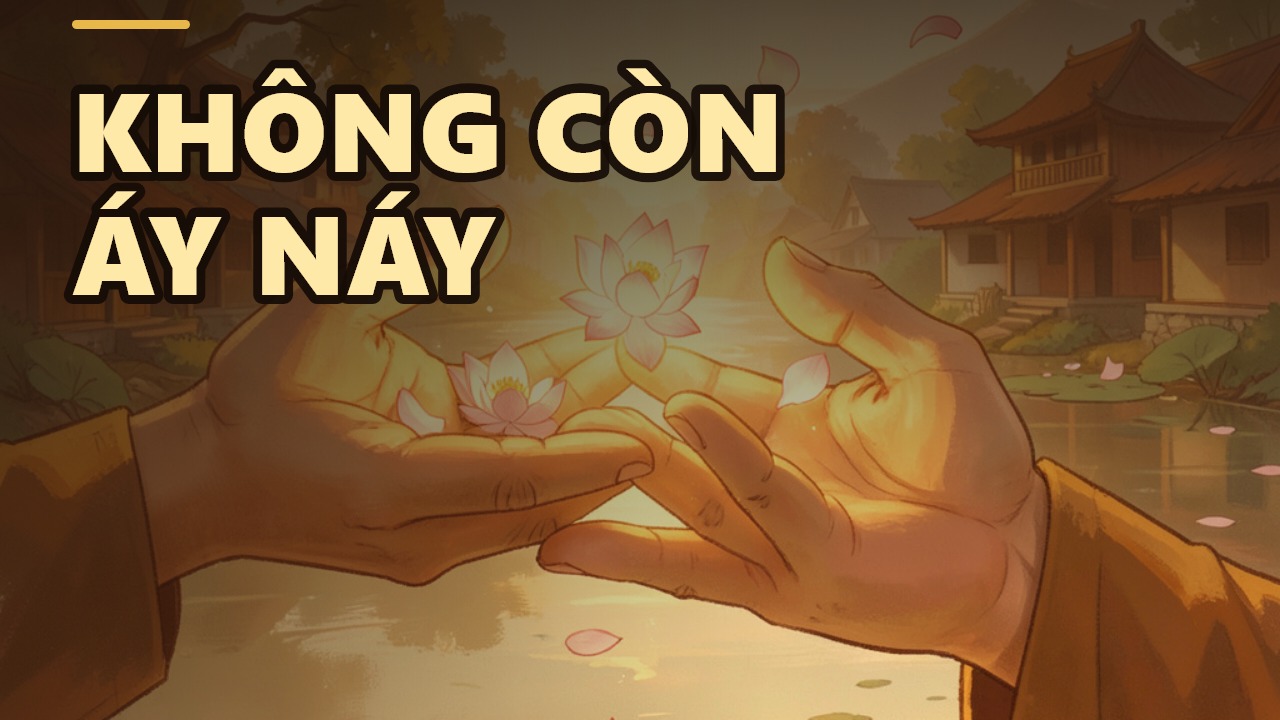
Why do we cause pain to others without feeling a pang of guilt? Let us look at the psychology of those who commit harmful actions, guided by the teachings of Venerable Thích Chân Quang, to find our way back to compassion.
Have you ever wondered why a person, knowing their actions are wrong, still persists? Why can a human being inflict suffering on another without the slightest feeling of remorse? In modern society, we witness many hurtful acts, from cruel words to physical violence. Yet few realize that when we cause suffering to others, we also cause suffering for ourselves. Today, through the teachings of Venerable Thích Chân Quang, let us examine the mind of the wrongdoer to find a path back.
**Neither Causing Suffering for Oneself, Nor for Others**
The Buddha taught: “Do not cause suffering for oneself, do not cause suffering for others.” This seems simple, but it contains a profound truth. We often think that doing wrong only harms others, and that we, the perpetrator, remain unscathed. But in reality, when we give rise to a malicious mind, we have already created inner turmoil, torment, and a loss of peace for ourselves. Venerable Thích Chân Quang shares:
“Truly, when we make others suffer, we have also made ourselves suffer immensely.”
Recall the story of a man who, after a breakup, could not endure the torment of his pride and longing. He set fire to his former lover’s house. He thought this would cause her pain, but in truth, he had been tormenting himself long before that. This is precisely what the Buddha warns us about: all harmful actions begin with a heart that is already in pain.
**From Remorse to Apathy: The Path to Becoming Corrupted**
According to Venerable Chân Quang, when we cause suffering to others and no longer feel any remorse, we have stepped into “professional karma of evil.” He distinguishes clearly:
“When we make others suffer and our heart feels no remorse, then our mind has become professionally cruel. But if we make others suffer and our heart still feels a little remorse, we are merely amateurs in cruelty.”
The feeling of remorse is a sign of conscience. If a person still feels troubled when they hurt someone, they still have the opportunity to practice, to return to the right path. But when one becomes completely apathetic, or even feels pleasure at another’s pain, that is a sublime level of cruelty that brings unimaginable karmic consequences.
**Everyone Who Does Evil Has a Reason**
Why do we carry out actions we know are wrong? Venerable Chân Quang offers a very practical answer: because we always justify it with a reason. In a film, an assassin convinces his victim by saying, “I am only doing it for survival.” It sounds absurd, but it was enough for him to justify murder.
In everyday life, we see this too: the husband who hits his wife claims, “She was disrespectful.” The unfaithful wife justifies it by saying, “My husband is boring.” The poor thief argues, “I’m just rebalancing society’s wealth.” Even a group of students who bully a classmate because “they’re stuck-up.” No matter how plausible the excuse sounds, it is merely a pretext to cover a malicious heart.
**Hold On to That Little Bit of Remorse**
How can we stop actions that cause suffering? Start by reflecting on your own mind every day. Before speaking cruel words, before doing something that will hurt someone, ask yourself: do I feel any remorse? If not, be alert, for that is a warning sign of a heart that is becoming hard and dry. Return to compassion, and nurture empathy and understanding. Venerable Chân Quang teaches:
“If we cause suffering to other beings, other people, and we still have a bit of remorse, then we can still be saved, and we can still practice.”
So, hold onto that little bit of remorse. Let it become the lamp that illuminates our soul. Every day, we have the opportunity to practice the Buddha’s teaching: neither causing suffering for ourselves, nor for others. When the mind is illuminated, evil recedes, and we live more lightly, more peacefully, on the path of practice.
AI-assisted translation from the Vietnamese original.
Read in Vietnamese →