
Why Does the Hanoi Voice Help Preserve the Nation?
This article shares the perspective of Venerable Thích Chân Quang on Thăng Long culture, from writings to civilization, and explains why the Hanoi voice is one factor in preserving our national independence.
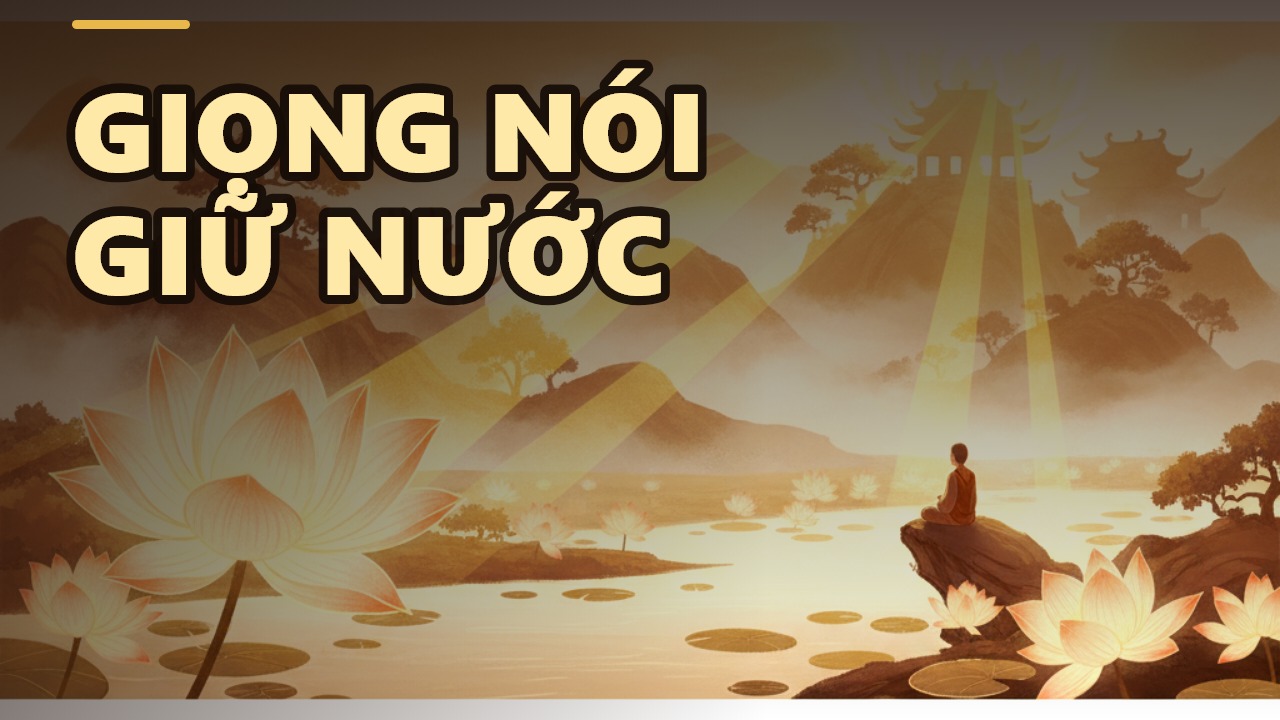
A Love from Afar
There are loves that need no reason; they simply grow with the passing years. For me, Hanoi is like that. I was born and raised in the South, yet from childhood, whenever I studied the history of the North, my heart would overflow with affection. I dreamed of the day the country would be reunited so that I could return to visit my homeland in the North.
Whenever I heard songs or read books about Hanoi, that tenderness stretched endlessly, like longing for a homeland deep within the spiritual heart. Only eight years ago did I set foot in Hanoi for the first time, at the Temple of Literature. The emotion of that moment was beyond words. That is why I wrote the song "Walking Through Hanoi," to express my love and reverence for this land of a thousand years of civilization.
"We have come here to express our love and reverence for the one-thousand-year culture of Thăng Long–Hanoi. That is, our admiration for a thousand years of Thăng Long–Hanoi culture, not daring to present anything of our own."
Writings, Literature, Culture, and Civilization
To understand Thăng Long culture, we must first distinguish between these concepts. Writings are works that have been carefully refined, whether recorded on paper or passed down by word of mouth. When this literary treasure grows so vast that people must study, analyze, and train in it, that is literature. Culture is the union of literature with the arts, together with a way of life, its customs and traditions. And when that culture is established and endures through a long stretch of time, we call it civilization. When people of old spoke of "four thousand years of Vietnamese civilization," they were referring to a culture that had taken shape since the founding of the nation.
"Culture is that literary foundation combined with the arts found in this life, together with the moral way of living and the customs and traditions of society."
The Hanoi Voice – A National Treasure
Among the countless beauties of Hanoi culture, there is one thing I hold especially dear: the voice. From childhood, I was enchanted by the Northern accent; whenever I passed a house where someone spoke that way, I would stop and listen, just to ease the longing. Some people thought I was smitten with the girl next door, but the truth is I was enchanted only by her voice. The Hanoi voice is polished, beautiful, courteous, and graceful. It was this very voice that helped preserve our national independence. When we were invaded, hearing the coarse speech of the enemy made us realize that our culture stood higher than theirs. That realization kindled pride and an unyielding will that refused to submit.
"The Hanoi voice contributed to preserving the independence of the nation. When we heard the speech of the invaders as lower than our own, we could not endure their rule; it kindled within us an unyielding spirit."
From Writings to Civilization – A Thousand-Year Journey
In the past, writings were refined with great care, because paper and ink were scarce. Every work was a masterpiece. Today, the internet has made writing easy, but it has also diluted the essence. We need to cherish and preserve these cultural values, forged over thousands of years. Thăng Long culture is not only poetry and prose; it is also the voice, the customs, the way of living — everything that forms the very soul of our nation.
Closing Words
Let us love and preserve Thăng Long culture, for it is the heritage left to us by our ancestors. Each of us, whether in the South or the North, can contribute to protecting and nurturing these values. Let us begin with small things: treasuring our speech, keeping our customs alive, and always taking pride in our country's thousand-year civilization.
AI-assisted translation from the Vietnamese original.
Read in Vietnamese →