
The Law of Cause and Effect in Truthfulness: What Happens When We Conceal?
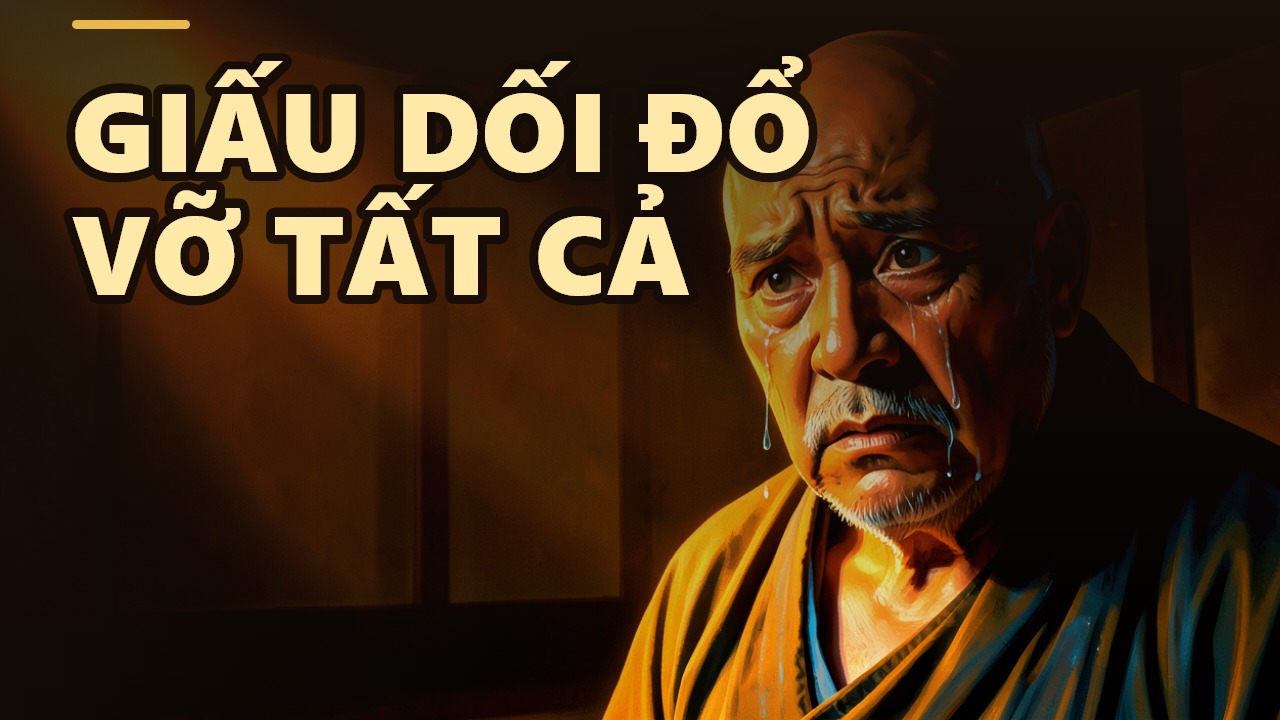
Every lie, no matter how small, plants a seed. As these seeds accumulate, they break down discipline, family harmony, and even one’s spiritual practice. Understanding the cause and effect (karmic law) of truthfulness helps us maintain purity of mind/heart.
On the full moon day of the first lunar month, when the temple is crowded like a festival, stories about lies take on a profound new meaning. Have you ever wondered why we are always taught not to lie, yet find it so difficult to remain truthful in daily life? Venerable Thich Chan Quang offers an unexpected perspective on the cause and effect (karmic law) of truth and falsehood in his dharma talk titled "The Law of Cause and Effect in Truthfulness."
Small Lies That Break Down Discipline
Recall your childhood. When your mother asked, "Who took the money?" every child answered, "No, I did not," yet the money was still gone. Each small lie prevented parents from properly guiding and educating their children. As we grow older, lying becomes a habit in school, at work, and within our families. Venerable Chan Quang points out clearly that we often lie to commit wrongdoings without facing criticism. This looseness erodes the discipline of families, schools, societies, and entire nations.
Lies accumulate little by little, like water leaking from a cracked vessel, eventually breaking apart the community. This is the fierce cause and effect (karmic law) behind seemingly harmless untruths.
The Most Serious Lie: Claiming Enlightenment
In Buddhist precepts, for monks, there is a type of lie that leads directly to hell: falsely claiming to have attained enlightenment while knowing full well one has not. This deception is often driven by a desire for respect or organizational manipulation. Venerable Chan Quang warns that those who intentionally claim enlightenment will face madness when their merit runs out. They may act like animals, be despised by others, and fall into hell after death.
Additionally, some practitioners experience peace or minor psychic powers and mistakenly believe they have achieved high stages of enlightenment. While this misunderstanding does not lead to hell, it causes suffering for ten to twenty lifetimes. Why? Because there is no longer a Buddha to confirm attainment, nor a wise teacher to clarify the realms of realization. The teacher advises us not to rush in thinking we have attained anything. We are only at the beginning stage of mindfulness; there are thirty more lifetimes to go. We must remain calm and patient.
When Lying Becomes a Tool for Gain
There is also lying used to deceive, such as giving false testimony for personal gain. In an era where courts rely on witness statements, people hire false witnesses, leading to wrongful convictions for hundreds of lives. Today, forensic science can refute even confessions that lack authenticity. Venerable Chan Quang shares a story of a woman who "confessed" to sleeping with another man’s husband, but in reality, they were merely yawning together during a late-night car ride. Ambiguous words that do not reflect the truth caused harmful misunderstandings. Intentional lying for profit is a sin close to animal nature and hellish realms.
The Only Way to Avoid Lying
We often promise our mothers, "I will not lie," but keeping that promise is not easy. Venerable Chan Quang reveals a simple yet profound secret: To avoid lying, there is only one way—do not commit any wrongdoings. If you live a righteous and pure life, you have nothing to hide and no need to lie.
When you live this way, you can enter any assembly, whether before kings or celestial beings, without fear, because your life holds no errors. Achieving this requires the arduous journey of keeping precepts, which is a sign of a noble one.
The Wisdom of the Buddha: Not Forcing Absolute Truth
The Buddha does not force us to tell every single truth. There are situations where speaking the truth causes harm, such as saving a life, protecting animals, maintaining national secrets, or respecting privacy. The teacher explains that if a hunter asks about the path of a deer, we should answer evasively, saying something ran past but the direction is unclear. When asked military secrets, we must remain silent, carrying them to our graves. When we know private matters about others, we should keep them confidential. Just as neighbors might praise a wife as gentle and proper, even if she once scolded them, speaking well of others behind their backs can inspire regret and guide them toward the Buddha's teachings (Dharma).
Maintaining Purity Amidst Life
Every truthful word and every moment of keeping precepts plants seeds of peaceful cause and effect (karmic law). Not lying is not just ethics; it is a spiritual realm. Practice today: do not hastily speak words of concealment, do not enjoy boasting about what you know, and always remember that truthfulness is the path to liberation. As Venerable Chan Quang reminds us, persist in walking the path of mindfulness without haste or misunderstanding. Truthfulness is the foundation of a beautiful life.
AI-assisted translation from the Vietnamese original.
Read in Vietnamese →