
The Doctor Through the Lens of Karmic Law: Loving Recklessly
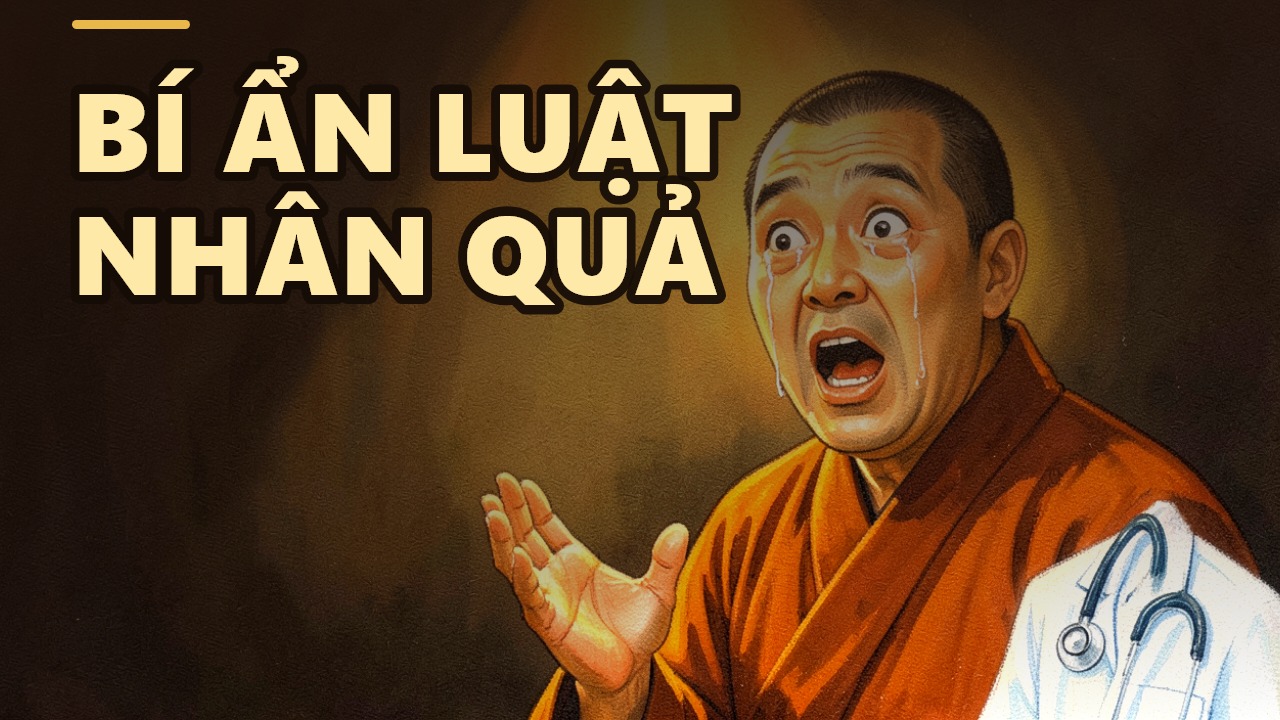
During a sharing session at the National Children's Hospital, Professor and Doctor Le Thanh Hai expressed a deep concern: as market economics pervade hospitals, will the morality of doctors decline? This question compels us to reflect on the sacred role of the healer — encompassing not only professional expertise but also the profound depth of karmic law.
The doctor — one of the highest titles for a “teacher”
In the Buddha's teachings, humans face four fundamental sufferings: birth, aging, illness, and death. Illness is an inherent attribute of life. When suffering from sickness strikes, whoever eases our pain is our benefactor. In Eastern culture, certain figures are honored as “thầy” (teachers): the school teacher, the doctor, the monk, the fortune-teller. The doctor is one who frees us from the suffering of illness — a divine calling demanding sacrifice and dedication.
A teacher in the family — parents are our first teachers. A school teacher — imparting etiquette and morality. A doctor — easing the suffering of illness. A monk — a symbol of exemplary virtue. A fortune-teller — one revered for spiritual intuition.
“Once you bear the title of teacher, you must embrace sacrifice. Sacrifice means not being preoccupied with your own interests.”
Market economics and the inner struggle
Entering the era of market economics, healthcare has become a service exchanged through commerce. This can diminish the sacred calling of the healer. Yet reality also shows that hospitals require funds to operate and sustain their medical staff. This is a difficult equation for those in leadership. Caught between practicality and pragmatism, the doctor must struggle inwardly to maintain a pure mind and heart.
“On one side, the divine calling of the healer summons us to sacrifice, to dedicate, to serve and alleviate the suffering of life. On the other side stands the practical reality of the hospital.”
Loving recklessly — a lesson from a small temple
Venerable Thich Chan Quang recounted the story of a temple on a mountain. In times of hardship, the temple had only one hundred thousand dong left, yet it still rescued a barking deer about to be slaughtered; then, it gave a disciple seven hundred thousand dong to pay final-year tuition fees. It seemed like “living recklessly,” yet the temple survived, flourished, and received love from all.
“Living in this world, love one another recklessly; be kind to everyone recklessly. Heaven and earth will not abandon you, and the law of cause and effect (karmic law) will not abandon you.”
Karmic law: nothing is accidental
According to the Buddha's teachings, all things operate within cause and effect. Wealth arises from generosity, intelligence from service, health from helping others. Even accidents have deep-rooted causes in karmic conditions. In the medical environment, healing a child not only brings joy to a family but also sows wholesome seeds into that young mind. That child may grow up to become a doctor, a person of benefit to the world.
“If we bring joy to others, happiness will return to us. If we inflict suffering on others, misfortune will come looking for us.”
Sow seeds of hope
The doctor, through the lens of karmic law, is one who plants wholesome causes. Every smile, every kind gesture towards a young patient is a foundational moral lesson. Hold fast to hope, continue to love, and dare to give selflessly. For the law of cause and effect operates with perfect fairness, and beautiful outcomes will come to those who live for the sake of others.
Remember: in the hands of a healer rests not only the medicine bottle, but also a sprout of life, a seed of faith waiting to be nurtured.
AI-assisted translation from the Vietnamese original.
Read in Vietnamese →