
Those Who Understand the Dharma Cannot Keep It to Themselves
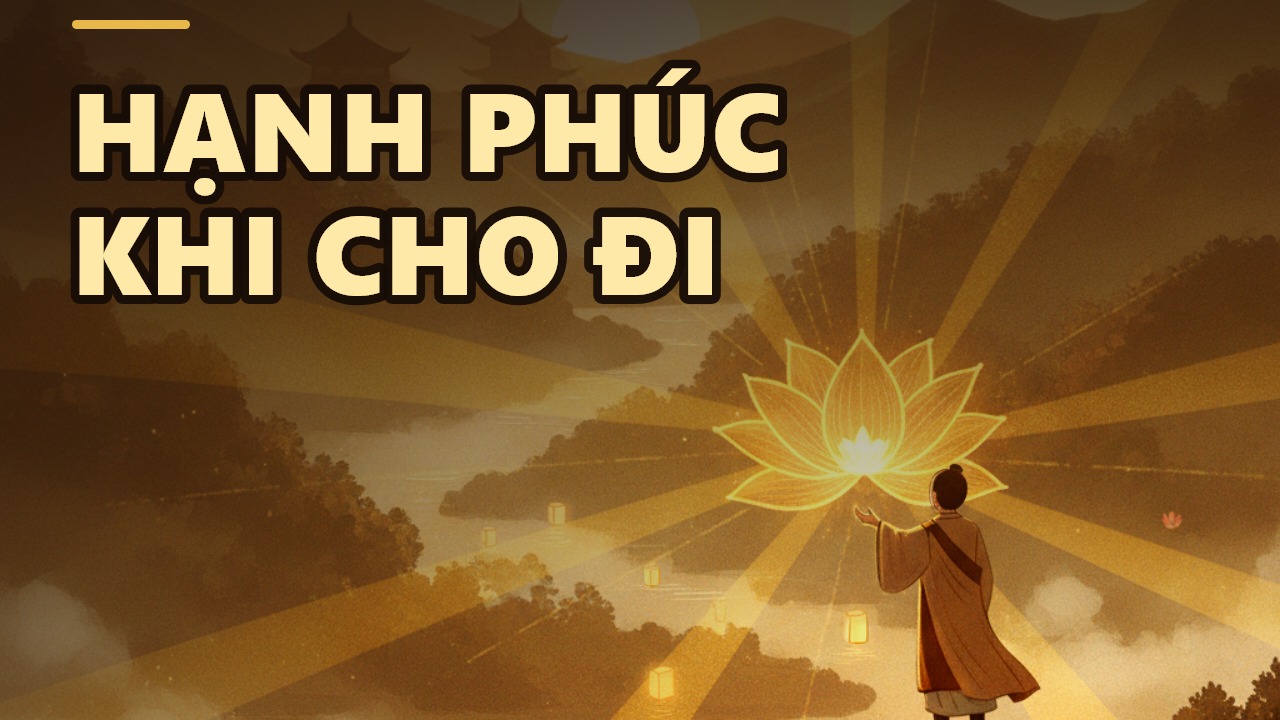
Have you ever received a gift so precious that you felt compelled to share it with everyone? For a Buddhist, once they understand the Buddha's teachings, this feeling is even greater. Today, on the occasion of Enlightenment Day, let us listen to Venerable Thich Chan Quang’s insights on sharing the Dharma with others.
## The Meaning of Enlightenment Day
Enlightenment Day is not merely an anniversary; it symbolizes great effort in spiritual practice. The Venerable reminds us: "To remember is to praise the monumental work of the Buddha’s cultivation over countless lifetimes, culminating in his final forty-nine days." This serves as a reminder for every disciple of the Buddha to strive diligently, for nothing beautiful comes without a worthy price.
## Why Do Those Who Understand Want to Share?
When one tastes the sweetness of truth, it becomes impossible to keep it private. The Venerable shares: "The truth of Buddhism teaches us altruism. Unexpectedly, when we live a life of selflessness, we suddenly find happiness." This differs from money, where giving leads to receiving more. The joy of spiritual wisdom grows larger the more it is shared.
## Three Essential Elements in Teaching Others
Helping others believe in and understand the Buddha's teachings requires more than just speaking. The Venerable outlines three indispensable factors. First, assess the capacity of the listener, as each person has different karma and conditions requiring suitable methods. Second, pray for the Buddha’s blessings before meeting someone, sincerely asking that their mind become soft and receptive. Third, cultivate yourself. If you do not live according to the teachings, others will not believe. As the Venerable notes, those who simply uphold precepts and moral conduct possess immeasurable merit. Even if they speak no words of doctrine, their very lives inspire others to respect and trust the Buddha.
## Identifying the Capacity of Learners
The Venerable categorizes students into three main groups based on their spiritual capacity. Those with high capacity have deep connections; a single invitation to visit a temple may lead them to follow the path for life. The Venerable illustrates this by saying some people are so ready that after one suggestion, they dedicate their entire lives to the Dharma, returning years later to teach others.
Those with average capacity need friendship and gradual encouragement to listen to recordings, read books, and perform good deeds. They require long-term companionship. Those with low capacity have little connection to the Dharma. Do not rush to speak about religion. Instead, help them first to plant seeds of positive conditions.
## Elevating Average Capacity to High
For those with average capacity, we must accompany them to help them progress further. There are three signs that they are becoming spiritually mature. First, they spontaneously wish to do good deeds. Second, they enjoy meditation and feel peace while practicing. Third, they become messengers of the Buddha, actively sharing teachings with others. This is a natural process when learners are nurtured correctly. The Venerable emphasizes that anyone who voluntarily thinks of doing charity is ready to begin sitting in meditation.
## Building a World That Is a School of Morality
Ultimately, the purpose of sharing teachings is to make this world a better place. Venerable Chan Quang inspires a dream: "Let us build this world into a school of morality for all humanity, a holy environment." Whether monastic or layperson, each of us can contribute to spreading the light of enlightenment everywhere.
Begin within your own mind/heart. Offer a prayer, perform an act of compassion, or engage in sincere practice. Then, naturally, you become not just a receiver of light, but a source of light for others. As the Venerable taught: "When your mind opens with love for people, and you start doing something beneficial for them, joy suddenly floods your being." That is true happiness.
AI-assisted translation from the Vietnamese original.
Read in Vietnamese →