
What Do We Want? – The Desires That Shape Our Lives
Discover the three elements that constitute the mind: knowing, wanting, and karma. Through the story of Great Master Zhiyi, our teacher helps us recognize desire and identify two fields of merit where we can sow seeds of peace.
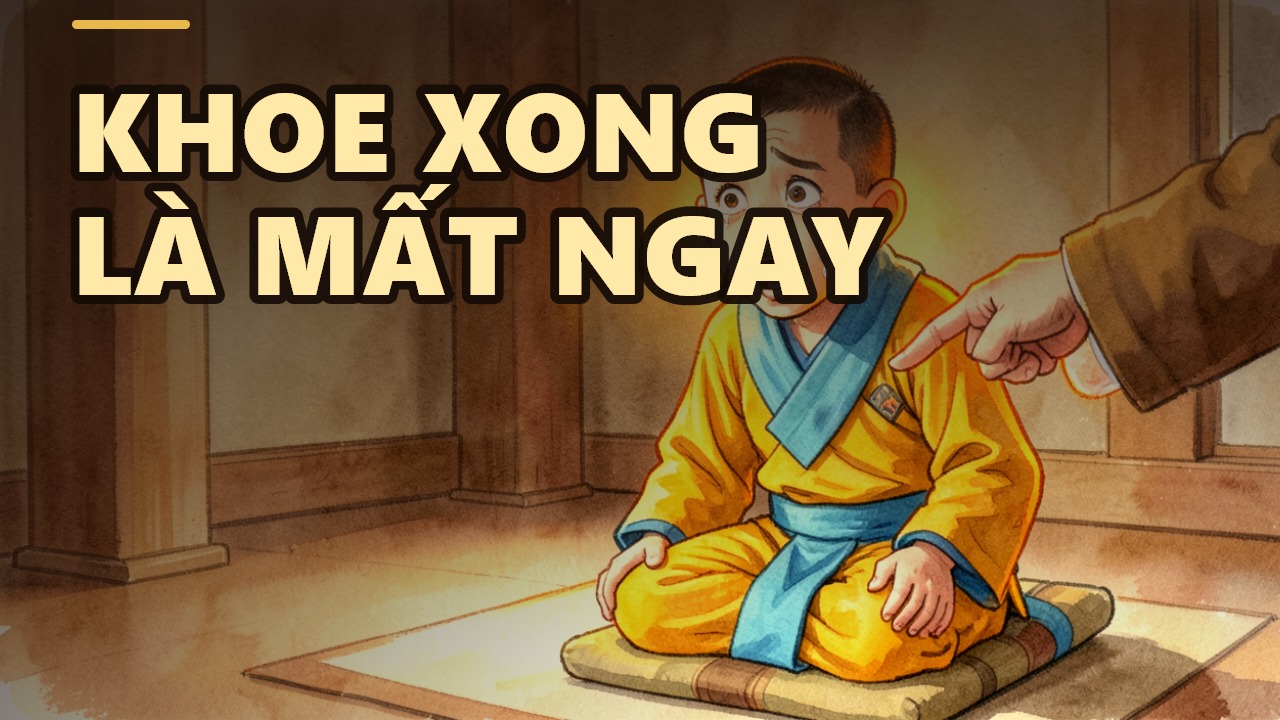
There is a small story with a profound lesson. A monk boasted to Great Master Zhiyi that he had entered deep meditative concentration, perceiving someone in a distant mountain contemplating impermanence (anicca). The monk believed he had attained something lofty. However, Master Zhiyi rebuked him, saying, "That is merely a superficial state of concentration, quite shallow. Because you proudly revealed it, it has already vanished." Indeed, as soon as the monk hurriedly stood up, that state disappeared instantly. Venerable Thich Chan Quang uses this anecdote to open his dharma talk on "The Things We Want in Life," awakening a warning against a timeless ailment among practitioners: mistaking minor progress for high attainment.
## The Mind Consists of Three Elements: Knowing, Wanting, and Karma
According to the teacher, our mind always rests upon three pillars. The first is knowing. Without knowing, there is no mind. Even during deep sleep, knowing constructs a dream world; it persists regardless. The second is wanting. Even when we sit still, desire silently arises—we want to sit, to drink tea, or to relax. The third is karma. Karma influences how we know and what we want; sometimes it brings clarity, other times it clouds the mind.
"Knowing never ceases, and wanting never ceases. Karma guides both our desires and our awareness."
These three elements are always present within each of us. Only by understanding this can we begin to look inward.
## Desire – The Hidden Driving Force
We are always wanting something, yet often remain unaware of it. The teacher offers an example: when asked, "What do you want?" many reply, "I want to hear the Dharma." But deeper still, we also want the lecture to be interesting and engaging; otherwise, we feel uneasy. This subtle craving lies hidden in the heart, visible only through careful analysis.
"Some desires are ordinary and simple. But others profoundly affect those around us."
Choosing a career, selecting a partner, or arranging marriages—these decisions impact entire families and even future generations. When we choose a daughter-in-law or son-in-law poorly, family harmony suffers. Thus, we see that not all desires are trivial.
## The Strength of Living: Awareness Before Every Desire
A person of wisdom observes their own desires. When a wish arises, they do not rush to fulfill it but weigh it carefully: Is it good or bad? Reasonable or unreasonable? Does it benefit oneself or others? The teacher emphasizes:
"A person with true strength looks back at their desires to evaluate them. An unawakened person simply acts on whatever they like."
This awareness is a blessing. Through practice, bowing to the Buddha, and giving, we gain the power to resist unhealthy cravings. This is the resilience of a practitioner.
## The Two Greatest Fields of Merit
In the talk, the teacher clarifies: "People differ in life based on their blessings from merit." Those with blessings find life easy and attain what they seek. But where do these blessings come from? They arise from cultivating in two specific fields of merit.
The first field is the Triple Gem—temples where the Buddha, the Dharma, and the Sangha reside and practice diligently.
The second field is the suffering of the world—helping the sick, the poor, and those in distress.
Those who sow in the first field receive blessings of glory and wealth. Those who sow in the second field receive blessings free from suffering. Both foundations lead to a better life in future existences.
## Opportunities to Sow Blessings in This Very Life
The teacher shares stories about building Phap Dan Temple. People who enjoy comfortable homes today did so because they contributed to temple construction in past lives. Those who helped build nearly an entire temple may be reborn in heavenly realms or as wealthy humans. Therefore, when opportunities arise, we must not miss them. The teacher jokes about paying in installments, encouraging everyone to contribute money, however small, to support Buddhist projects.
"Missing the chance to do good is unfortunate, but having the chance and ignoring it is equally unfortunate."
Every brick and every coin offered to the temple today creates blessings for the future. More importantly, we help preserve and spread the Buddha's teachings (Dharma), bringing the light of enlightenment to countless beings.
## Conclusion: Start Today
Pause for a moment and observe your mind. Are you being swept away by desires? Practice looking inward, weighing choices, and learning contentment. Visit temples and engage with worldly suffering to cultivate merit. This is the path to a peaceful mind and a harmonious life. As the teacher says, "Those with blessings get what they want." So, right now, let us begin to sow.
AI-assisted translation from the Vietnamese original.
Read in Vietnamese →