
Optimism is Also a Moral Virtue: The Secret to Serenity Amidst Life
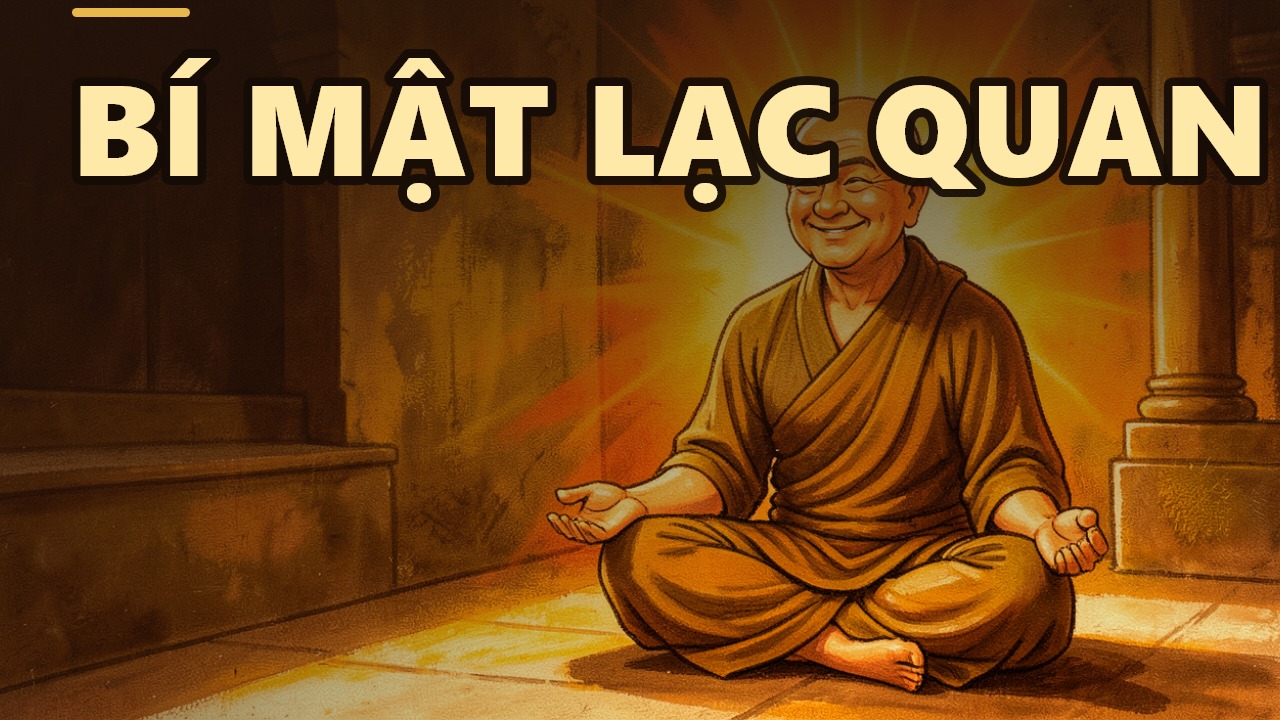
**SUMMARY:** Explore the power of an optimistic mind through the teachings of Venerable Thích Chân Quang: it is not merely an attitude, but also wisdom and morality, helping us overcome adversity and live peacefully amidst life.
Have you ever wondered: Why are there people who, even when faced with sad events, still manage to smile? Are they unusual, or are they holding a secret to living that we never suspected? In a recent Dharma talk, Venerable Thích Chân Quang revealed a surprising perspective: optimism is not just a personality trait; it is also a form of moral conduct.
**What is Optimism? Looking at the Joyful Aspect of Life**
Optimism, in its literal sense, is "looking towards joy." An optimist does not deny difficulties, but they possess a special ability: always finding a glimmer of hope in every situation, even the most heartbreaking. The Venerable told of an elderly man who lost a leg in an accident yet cheerfully said, "From now on, buying shoes will only cost me one." It may sound humorous, but this is the spirit of optimism: refusing to surrender to sorrow or be overcome by adversity.
"Optimism means continually looking at the joyful aspect of life and events so that the mind does not dwell in pain and sorrow."
**When Spoken Ill Of: An Opportunity for Practice**
We often easily feel distressed when hearing someone speak ill of us. But what does an optimist see? The Venerable taught that when misunderstood, we can view it as an opportunity to cultivate patience, to persevere in refining ourselves until others perceive our sincerity. This is how we turn adversity into progress on the path of practice.
"If a lifetime of practice is too smooth, without challenges, without suffering, we cannot make progress on the path."
**Losing a Phone: Also a Reason for Joy**
Even when losing a mobile phone, an optimist can find a reason for joy. He humorously remarked, "Losing your phone means no one can disturb you with calls, reducing worldly attachments." The Buddha taught that the six sense bases contacting the six sense objects are already exhausting. Now, adding this "seventh sense base"—the phone—makes it even easier to create karma. Losing it grants us quiet time and fewer afflictions. This is a positive perspective that a pessimist would never see.
**Two Levels of Optimism: Not Wanting Sadness and Not Being Capable of Sadness**
The Venerable distinguished two kinds of optimistic people. The first is one with a positive outlook on life, who always strives to find the good in order to avoid sadness. The second is one whose meditative concentration practice has reached a level where the mind is no longer governed by sorrow. The story of Zen Master Hakuin, who was falsely accused, serves as a testament. Though the entire village turned against him, he calmly cared for the child without a word of complaint. When the truth came to light, he simply said, "Is that so?" and returned the child, without joy or resentment. This is optimism born from moral strength, from inner purity.
"Measure your heart by your capacity to endure injustice."
**Optimism is Wisdom and Morality**
An optimistic person does not cause suffering for themselves or others. They yield tangible benefits: a joyful spirit keeps the body healthy and the mind clear. Conversely, a pessimist torments themselves and exhausts those around them. Therefore, optimism is both wisdom (knowing to choose what is beneficial for oneself) and morality (not causing suffering for anyone). The Venerable emphasized, "Only those with blessings and wisdom can live optimistically."
**Meditative Concentration: The Key to Lasting Optimism**
To achieve profound optimism, nothing surpasses meditative concentration. Meditation helps us control the mind, preventing circumstances from dragging us along. The Venerable encouraged Buddhists to participate in meditation retreats organized by the abbess of Tu Ky Pagoda, acknowledging that practice is indeed demanding: "Only through hardship can one become a saint. Easy practice does not lead to sainthood." Be diligent and do not give up halfway.
"If someone teaches you a practice method that demands hardship, struggle, and a battle with your own self, the results will be extraordinary."
**Conclusion**
Optimism is not naivety or escapism. It is an inner strength, a conscious choice made before every change in circumstance. Let us practice looking at life with optimistic eyes, viewing every difficulty as an opportunity for growth. When our mind is at peace and joyful, we will spread that joy to everyone around us. This, indeed, is the highest form of moral virtue in everyday life.
AI-assisted translation from the Vietnamese original.
Read in Vietnamese →