
Do not do to others what you do not want done to yourself: What you do not want, do not do to others
Confucius's eight-character saying, "Do not do to others what you do not want done to yourself," is a guiding light for morality and cause and effect (karmic law). Venerable Thích Chân Quang shows us how to apply it in daily life for spiritual practice and peaceful living.
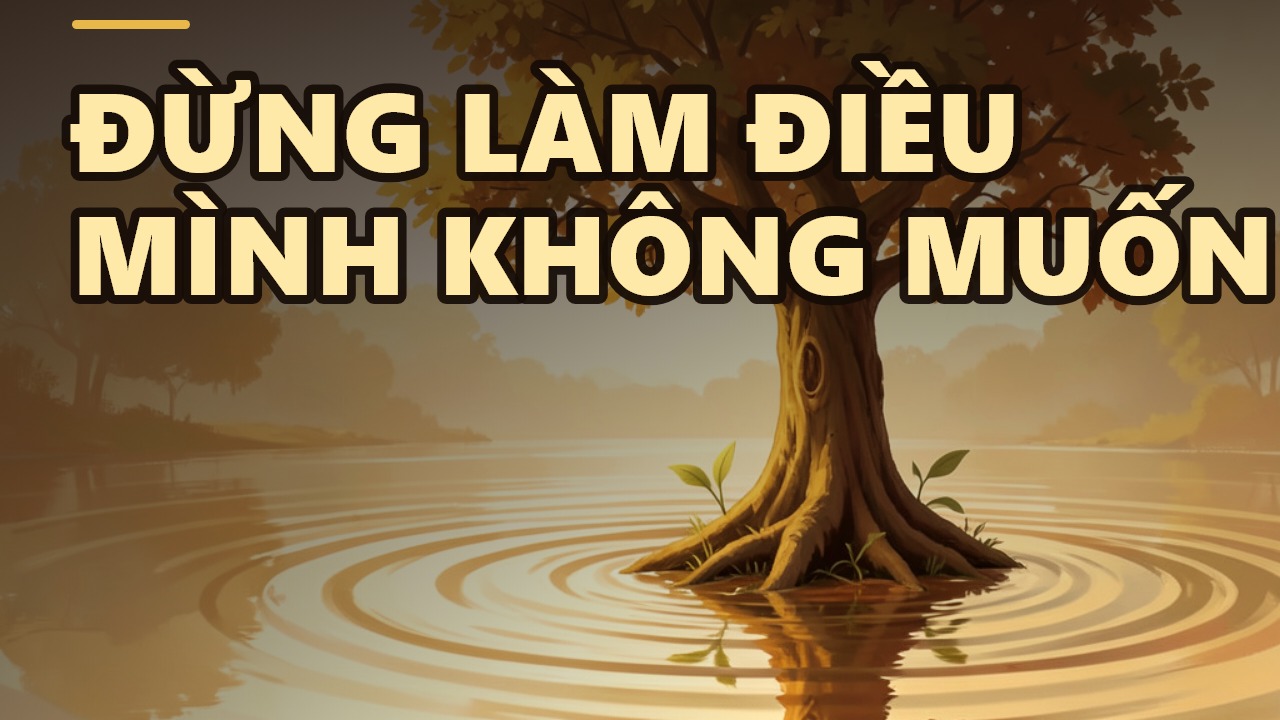
Have you ever visited an old friend with a sincere heart, only to be met with cold words and indifferent glances? Your waiting and hoping turn into sadness, and you wonder, "Why are they treating me this way?" It is in moments like these that Confucius's eight-character saying — "Do not do to others what you do not want done to yourself" — becomes a lamp that illuminates the way: whatever you do not want, do not do to others.
Do not do to others what you do not want done to yourself — a saying that transcends time
This saying is one of the golden rules of morality. Venerable Thích Chân Quang emphasizes:
"Whatever would cause you suffering and hardship if it were done to you, do not inflict it on others. How wonderful that is."
This saying is not reserved for sages, but for everyone who wishes to live with kindness. Whoever you are, whatever religion you follow, you must acknowledge this: when we place ourselves in another person's circumstances, we come to understand their suffering and their joy, and from that understanding we learn restraint and learn to treat others better.
True morality lies in empathy
People tend to think only of themselves. When someone scolds us, we feel irritated; but when we scold back, we feel pleased. When someone speaks ill of us behind our back, we feel hurt; yet when we speak ill of others, we feel comfortable. Venerable Chân Quang offers this warning:
"People are often unfair like this — taking sides means there is no fairness."
To live morally, we must cultivate empathy — putting ourselves in others' shoes. Before treating someone a certain way, imagine yourself in their situation. Would you find it pleasant? If not, do the opposite: offer them the same kindness you yourself wish to receive.
One minute of practice each day
When people hear the words "spiritual practice," they immediately think of kneeling before a Buddha altar reciting sutras, or sitting in meditation and reciting the Buddha's name. But Venerable Chân Quang points out:
"Practice is not just kneeling before the Buddha altar reciting an entire sutra... it is truly placing yourself in another person's state of mind, in their circumstances. If you do this once in a day, then that day you have practiced for one day."
So each day, let us set aside at least one moment to truly listen to and understand the person before us — it may be our child, our wife, our husband, a neighbor, or a stranger. Just one minute, yet it will change the way we live, the way we communicate, and even the way we see the world.
Cause and effect is fair — no one can escape it
The saying "Do not do to others what you do not want done to yourself" also carries a profound meaning about cause and effect (karmic law). If we do harm to others, the consequences will return to us. Venerable Chân Quang tells this story:
"Suppose you are a person of responsibility, caring for a thousand workers, but you pay no attention to them and let them go without during the Lunar New Year... Then later, for about a thousand New Years, you will have no joy."
This is why fairness always exists in the universe. Everything has its price. To receive great blessings from merit, we must sow many good conditions (dependent origination). To be loved, we must love first. To be helped, we must be willing to help others.
Living positively: do for others first what you wish for yourself
Venerable Chân Quang does not stop at avoiding what is harmful; he also guides us toward a positive meaning:
"Whatever you wish for, do it for others first."
If you wish to be praised, praise others; if you wish to be cared for, care for them; if you wish to be healthy, help others take care of their health. The Venerable shares:
"Those who hear me teach, I ask people to love one another, so people love one another, and then they love me a little too. That is the commission I get to enjoy."
True happiness comes from giving, and that very act of giving will return to nourish our own heart and mind.
The third day of the Lunar New Year has passed, but Venerable Chân Quang's message remains as valuable as ever. Let us follow the teaching of the sages: each day, place yourself in another person's circumstances, do what you yourself wish to receive, and avoid doing what you would not want done to you. This is a path of practice that is simple yet profound, bringing us peace and joy with every breath. Let us begin today, so that when we close our eyes, we can smile serenely, knowing we have lived in accordance with the way of virtue.
AI-assisted translation from the Vietnamese original.
Read in Vietnamese →