
When Death Comes, We Depart Alone: Lessons on Impermanence from the Dhammapada
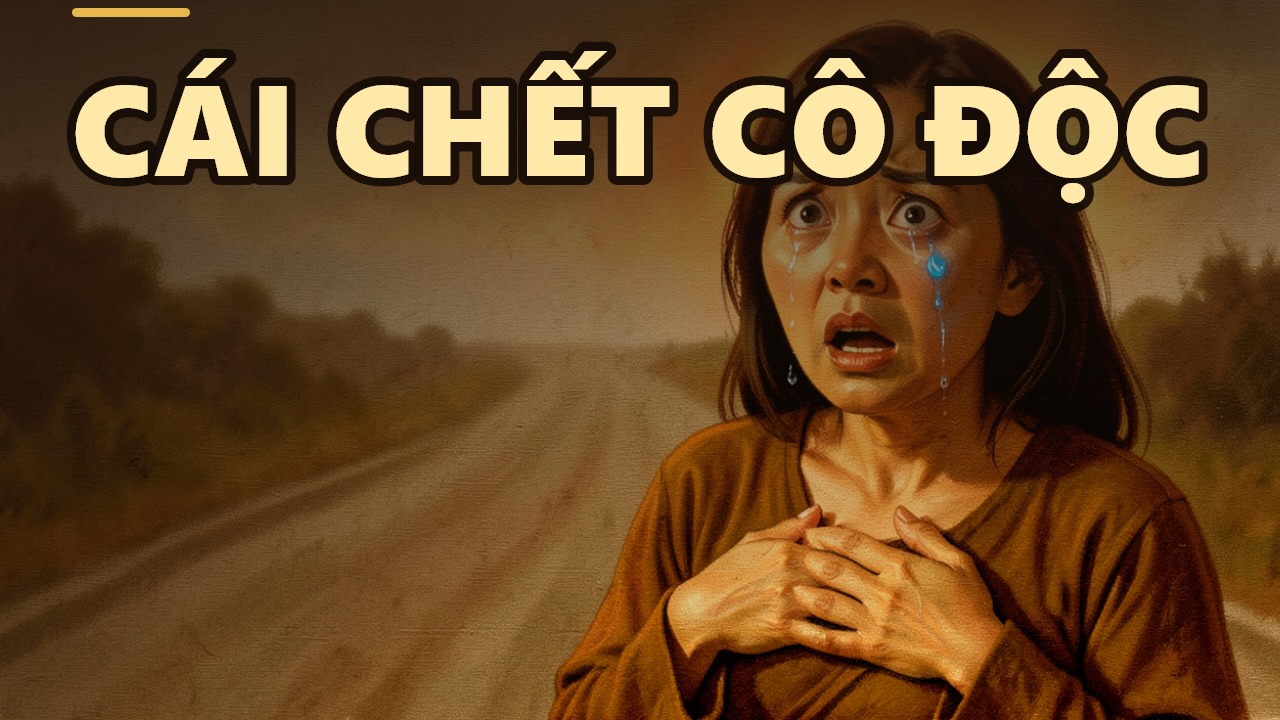
**Summary:** The Buddha taught that when death arrives, we depart alone. Through the stories of Kisagotami and Patacara, this dharma talk helps us understand impermanence (anicca) and practice letting go to live with peace.
Have you ever wondered: if your most beloved person were to depart forever, how would you overcome that grief? In the Dhammapada, the Buddha presented tragic stories imbued with profound lessons on impermanence.
Two Mothers Losing Their Children in Utter Sorrow He told of Kisagotami, a woman whose only child died. She carried his corpse, begging for help everywhere. The Buddha instructed her to find a mustard seed from a home untouched by death. Going from house to house, she realized no family is spared death. Upon this awakening, she renounced the world and attained Arhatship.
Another woman, Patacara, lost her husband, her two children, and her parents, all in a single day. Her anguish drove her mad, and she ran naked into the monastery. The Buddha met her and spoke a verse that restored her clarity.
“When death arrives, we depart alone; neither father, mother, child, nor any can shelter us.”
She too renounced the world and swiftly attained realization.
Impermanence is the Flood that Washes All Away The Buddha taught that people are attached to their children and possessions, but when death arrives, all is swept away like a flood. Venerable Thích Chân Quang elaborated:
“The mind clings fiercely to children and livestock, but death seizes them all, erasing everything like a flood.”
Family love must eventually part. If not separated in life, we are separated by death. Sorrow from losing loved ones is inevitable. Yet the suffering of the deceased is even greater.
The Separation Between Life and Death: The Sorrow of the Deceased Venerable Thích Chân Quang shared a story of a Buddhist named Thu Dung. In a dream, she saw a past life where she was killed; her spirit ran home to deliver the news, but no one could hear her. Her anguish was boundless. The Venerable said:
“All who die try to meet their loved ones again. Yet they all share the same profound sorrow: no matter what they say, their family cannot hear them. It is agonizing beyond measure.”
Therefore, if we understand that death is a solitary passage, we will no longer live in fear, but live more fully.
A Disciple of the Buddha Does Not Fear Death, Only Fears Pain He reminded that practitioners who contemplate impermanence daily—seeing this body will age, sicken, and die—no longer fear death. Yet at the moment of passing, there remains a jolt, a moment of pain or mental shock. He said:
“A true disciple of the Buddha does not truly fear death, but only fears what? They fear pain.”
This final pain is karma we must repay. With excellent practice, one may leave the body in meditative concentration, but most of us will experience a shock. Contemplating impermanence prepares us for that moment.
Letting Go of Small Pleasures to Find Great Joy At the end of the discourse, the Buddha recounted a past life of his own. Then, he was a father whose son had renounced the world, attained the path, and passed away. The father faithfully tended the stupa, sweeping and making offerings of flowers and incense daily. Due to this deep reverence, many lifetimes later when the Buddha was born, he received glory and manifested spiritual powers. However, the Buddha emphasized: “This is cause and effect (karmic law), not magical power.” Every small action today plants a seed for future lives. Venerable Thích Chân Quang explained:
“The wise renounce small pleasures to seek boundless joy.”
By understanding and practicing contemplation of impermanence, we will no longer cling or live in fear. Live as if you are about to die, so that each day is complete. Dedicate time to meditation, look deeply into body and mind, and let go of fleeting pleasures, to attain the joy of liberation.
AI-assisted translation from the Vietnamese original.
Read in Vietnamese →