
When the Mind Is the Master: From a Physician’s Anger to a Young Man’s Reverence
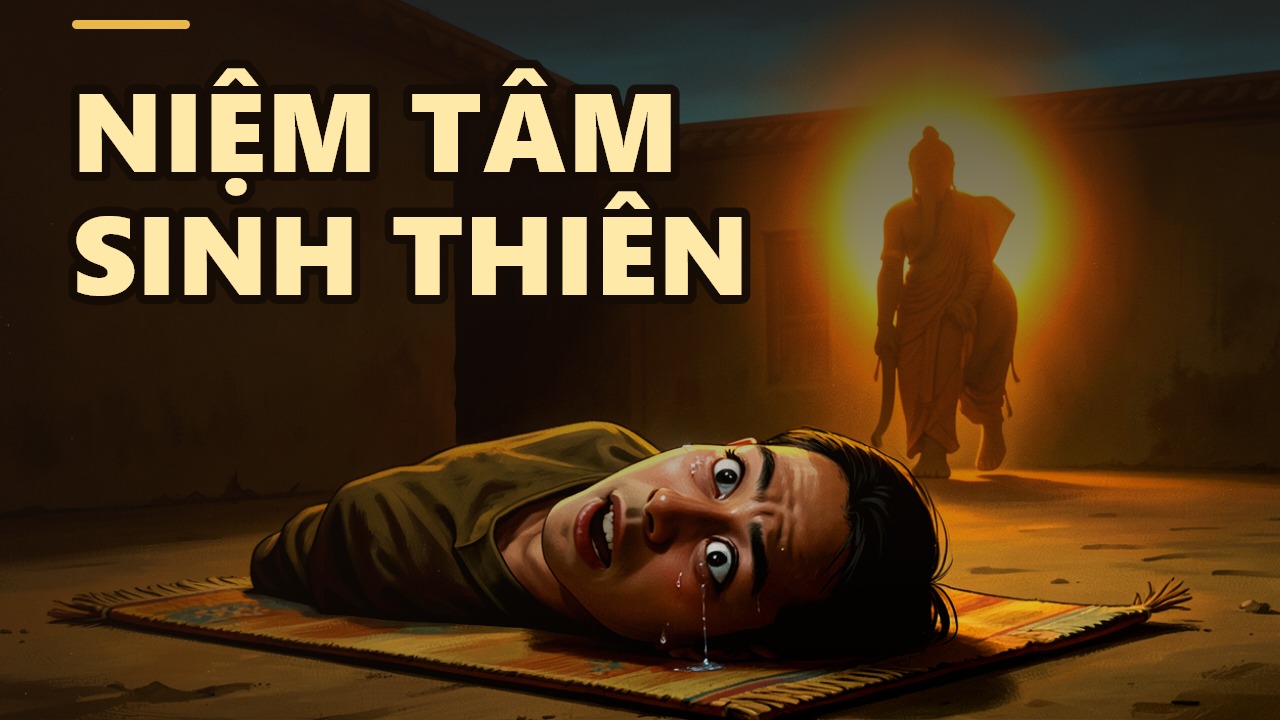
The mind leads all phenomena; the mind is the master creator. Two stories from the Dhammapada reveal the secret of happiness and suffering: a physician who caused blindness through anger, and a young man who was reborn in heaven through reverence for the Buddha. Have you ever wondered what truly determines our actions? In the Dhammapada, the Buddha answered simply yet profoundly: the mind leads all phenomena. But what is this mind? And why is it the master creator? Let us listen to two stories from the time of the Buddha to see clearly the power of the mind—one thought can lead us to suffering or to happiness.
The Mind Leads All Phenomena – A Simple Yet Profound Meaning
The Buddha taught: "The mind leads all phenomena; the mind is the master creator. If one speaks or acts with a polluted mind, suffering will follow like a wheel following the hoof of the ox." This statement is easy to understand, yet it contains a great truth: every word and action arises from the mind. To curse someone, anger must first arise in the heart. To strike someone, intention must first form. Therefore, if the mind is unwholesome, the consequences will be unwholesome. But if the mind is pure, then "happiness will follow like a shadow that never leaves the body." Thus, we see that correcting the mind is the way to correct one's life.
The Story of the Physician: Anger and the Karmic Retribution of Blindness
Long ago, there was an eye doctor who was very skilled. A poor woman came to him for treatment, promising that her entire family would serve him as repayment. He cured her sight, but she broke her promise and refused to serve him. Overcome by anger, he administered harmful medicine, causing her permanent blindness. Because of that fit of rage, he suffered the karmic retribution of being blind for many lifetimes. Even when he met the Buddha and practiced diligently, he could not escape his past karma. The Buddha recounted this story to teach that when the mind is polluted, harmful actions bring prolonged afflictions. One moment of anger can burn away centuries of merit.
The Story of the Young Man: Reverence and Rebirth in Heaven
There was a young man from a wealthy family, but his father harbored stinginess and did not allow his son to perform meritorious deeds. When the young man fell gravely ill, his father, fearing the cost of medicine, left him lying in the courtyard. In his final moments, the young man saw the Buddha approaching from afar, walking with a gentle yet majestic stride, like "a king elephant walking upon clouds." His heart overflowed with absolute reverence, and he silently vowed to offer his wholehearted devotion. That single pure thought led to his immediate rebirth in a heavenly realm. The Buddha confirmed: with a pure mind, happiness follows us like a shadow.
The Mind Desires, Decides, and Acts
The mind is composed of many elements: perception, emotion, memory, and willpower. However, for action to occur, the mind must have desire and decision. For example, seeing an elderly person, we may wish to help, yet remain standing still. Only when the heart makes a firm decision do our feet move forward. Therefore, desire and determination are the engines driving all activities. If we train the mind to constantly turn toward goodness, our words and actions will naturally bring peace and joy.
Let Reverence for the Buddha Become Your Solid Refuge
Today, we cannot see the Buddha directly, but we can nurture a mind of reverence through taking refuge in the Three Jewels, through statues of the Buddha, and through the recitation of sutras. Each day, let us vow to purify our minds further. Although we may not experience the intense emotion of the young man in the scripture, sincere and persistent practice ensures that in future lives, we will at least avoid falling into lower realms. Begin with the smallest thoughts—a mantra, a moment of compassion—so that the mind masters all phenomena and guides us to the shore of peace.
AI-assisted translation from the Vietnamese original.
Read in Vietnamese →