
Unfolding Wisdom: From Seeing the Small to Understanding the Vast
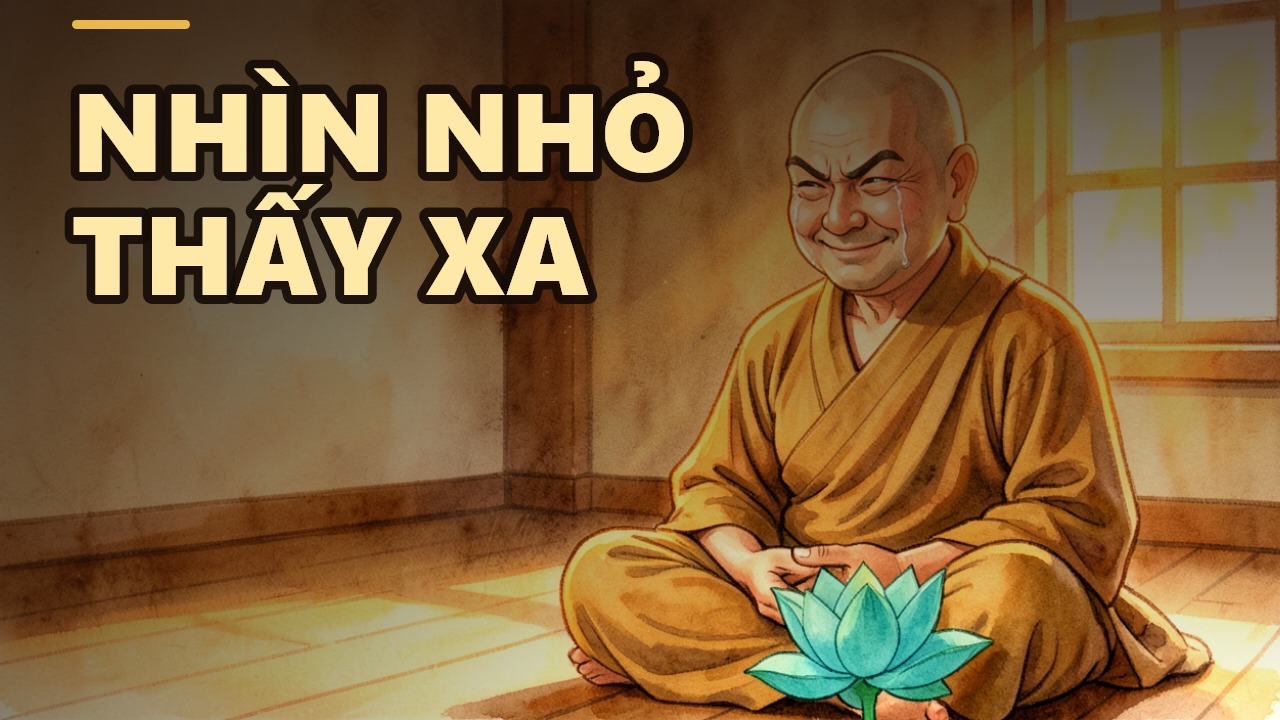
Wisdom is the ability to perceive both the very small and the very far. Practicing this not only helps us live with greater kindness but also sets in motion a virtuous cycle between ethics and ability, bringing happiness to ourselves and others.
Have you ever paid attention to a simple dinner invitation? In the North, people often invite others as a polite gesture, while in the South, the host may start eating before the invitation is even complete. But is the meal truly prepared? Are there enough seats? And is our heart genuinely willing to invite? Noticing these small details is the very beginning of wisdom.
**Seeing Small Details to Live with Kindness**
Master Thich Chan Quang teaches that a wise person sees both the very distant and the very small. However, observing the small is not for nitpicking at others, but to become more thoughtful and kind. When we invite someone to eat, we become aware of our own sincerity and the other person's feelings. We notice the meal, the seating, and whether everything is in order. All these tiny details together create the foundation of a considerate life.
Wisdom is not for finding fault in minor things; it is for treating each other with the utmost care and attentiveness.
When we practice noticing such details, it gradually becomes our natural character. We no longer make empty invitations or hollow promises. Each action is infused with genuine concern.
**Ethics and Ability: A Virtuous Cycle**
The master emphasizes that when we live kindly and thoughtfully, this very ethics transforms into ability. This ability, when used to serve others, in turn nurtures further ethical growth. Thus, each cycle elevates us to a new level.
Ethics is the cause, and ability is the effect.
This is not mere theory. By observing the small to live kindly, we become more skillful in our interactions. Others trust us, we gain more opportunities to serve, and through serving, we continually refine our ethics. In this way, we grow a little each day.
**Seeing Far to Choose Our Path of Service**
Beyond seeing the small, wisdom also involves seeing far. The master gives the example of shifting power in commerce: from producers, to distributors, to retailers, and then to online sellers. Those who cannot see far are left behind, like the garbage collector who clung only to his truck. When society demanded smarter waste sorting, he had no choice but to reluctantly resign.
But for a practitioner of the path, seeing far is not for wealth or personal success, but to choose the most suitable position for service. By understanding where society is headed, we prepare ourselves with a path to contribute more and benefit more people.
**Turning Away from Trivial Pleasures, Finding Joy in Service**
The master spoke about the root of depression: many people endlessly seek entertainment and distractions, only for a sense of unexplained sadness to take its place. The law of cause and effect operates through balance: when we enjoy more blessings than we merit, sadness arrives to compensate. Conversely, when we place our joy in contributing and serving, we find lasting happiness.
The fruit of our practice is revealed in the happiness and joy of those around us.
Look at the people around you to gauge your own cultivation. If those around you are happy, you are on the right path. If they are suffering, you need to change. This is the truest measure.
**Unfolding Wisdom Begins Today**
Do not listen to the Dharma and let it pass through one ear and out the other. Practice it. Today, when inviting someone to eat, check if the meal is ready and if the guest feels comfortable. When undertaking any task, think about how it will look ten years from now. Remember, wisdom is not for surpassing others, but for serving and loving more. Step by step, each day, we begin to unfold true wisdom.
AI-assisted translation from the Vietnamese original.
Read in Vietnamese →