
The Virtue of Discretion: A Practitioner Needs No Recognition
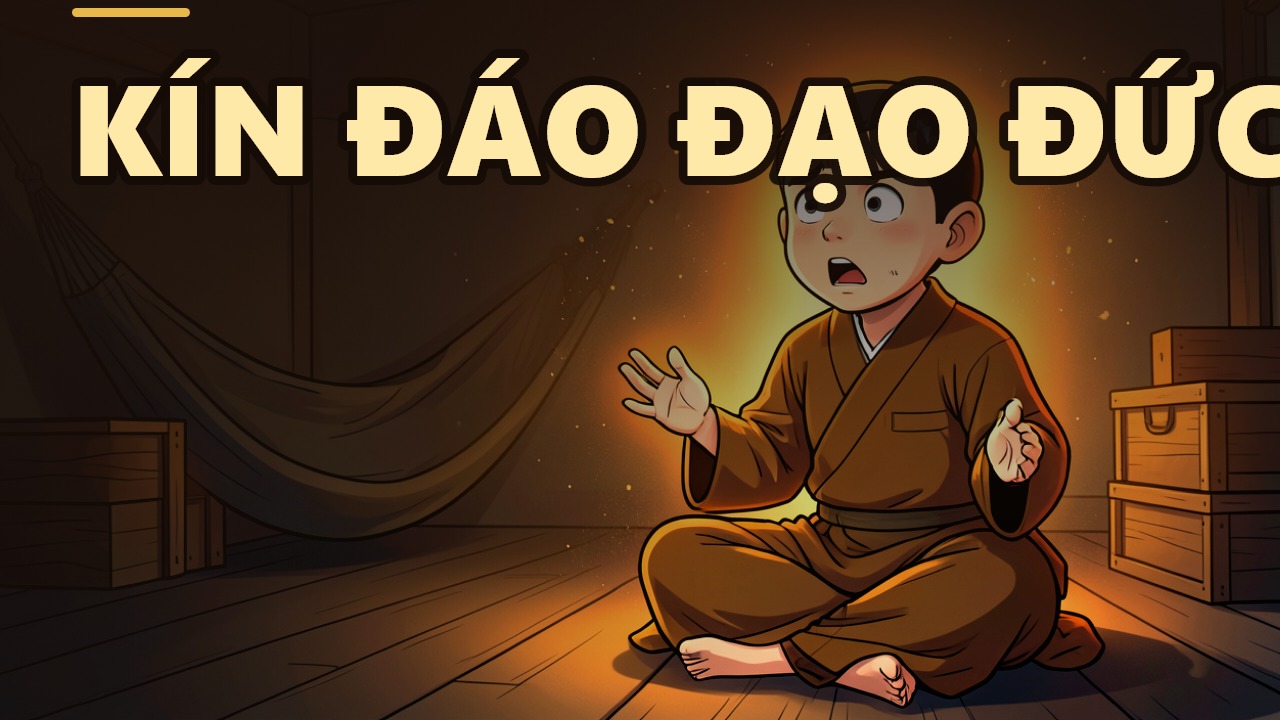
When I was new to the path, one afternoon I lay in a hammock reading sutras in a storage room. An elderly man, down on his luck, brought his daughter’s chemistry notebook and asked me to explain a lesson. Still lying down, I took the book and began teaching immediately. Much later, a senior teacher gently reminded me, “Why did you lie down while speaking with an elder?” In that moment, I realized there was hidden pride within my heart. This story from Venerable Thich Chan Quang opens a lesson on the virtue of discretion—a quality that seems ordinary yet is profoundly deep.
### What Is the Virtue of Discretion?
According to Venerable Chan Quang, “discretion means not talking about yourself so others know.” But this is not merely silence; it is ethics. He explains, “It is because of our ethical conduct that we speak little about ourselves.”
When we possess something good, a material asset, or merit from doing good deeds, human nature often urges us to boast to gain admiration. However, a sincere practitioner chooses to keep these things within their heart. Why? Because telling others is seeking an illusion.
### Why Do We Boast?
The teacher recalls a childhood memory: when eating jackfruit, a university student friend asked him to name each segment. He answered correctly and received praise. “I still remember the pleasure of seeing those around me admire me,” he says. This feeling is powerful, and many people chase it throughout their lives without realizing it.
“Boasting is a lack of ethics.”
He analyzes further: “We boast about something because we see it as more valuable than what others have.” This perception of being “superior” is the root of pride. When we boast, we crave admiration, which is a harmful and unreal need.
### The Core: Not Seeing Oneself as Important
A person who is discreet out of ethics is not hiding anything. They do not hide because they feel no need to show off. The teacher states clearly, “Deep inside, you do not see yourself as important, so you feel no need to say anything about yourself.”
This reflects a mind lightened by non-self (anatta). When someone performs great good deeds, such as saving a poor neighborhood during a storm, without needing to tell anyone, it is because they view the action as duty, not as “their own achievement.” Conversely, if someone hides their value only to avoid being asked for help, they are still clinging to ego, which is not true ethics.
### Discretion to Avoid Pride
It can be difficult to see our own pride, but it reveals itself through boasting. The teacher shares his own experience: “I was lying in a hammock reading sutras when an old man asked about chemistry. I explained while lying down. The teacher corrected me, noting that despite everything, the man was older. Thanks to that reminder, I discovered my latent pride.”
From this, he teaches that every time we slip into boasting, we must recognize it as our fault. We cannot deny or argue against it; we must correct ourselves. Pride is one of the greatest obstacles for practitioners, and the virtue of discretion is a precious remedy.
### Distinguishing It from Worldly Cunning
In the world, some people are discreet out of cunning. They remain silent to plot harm against others when convenient. Being quiet does not guarantee kindness. The teacher warns, “Do not assume that a person who speaks little is gentle.” To discern the truth, look into their eyes: if they are loving and relaxed, they are kind; if they are deep, malicious, and cruel, one must be cautious.
Some people are discreet out of strategic capability, hiding their strengths and resources to wait for the right moment. Yet this is worldly strategy, not spiritual intent. A practitioner is discreet simply because they desire nothing and need no recognition from others.
### Living Discreetly, Living Lightly
Once we realize that the thirst for admiration is an illusion, we should practice letting go. The teacher advises, “Let us accept living a pure, discreet life, needing no one to know us.”
By doing so, our mind is no longer bound, and we are not shaken by praise or blame. The virtue of discretion steadies us on the path of cultivation and grants freedom amidst life. Practice this today: do not boast about your deeds, possessions, or talents. Remind yourself, “I am not important.” This is the first step toward touching liberation.
AI-assisted translation from the Vietnamese original.
Read in Vietnamese →