
Entertainment and the Buddhist: Where Is the Line Between Relaxation and Ruin?
This article is based on a dharma talk by Venerable Thích Chân Quang on the role of entertainment in a Buddhist's life, how to choose wholesome forms of recreation, and how to stay away from temptations that waste time and wound the soul.
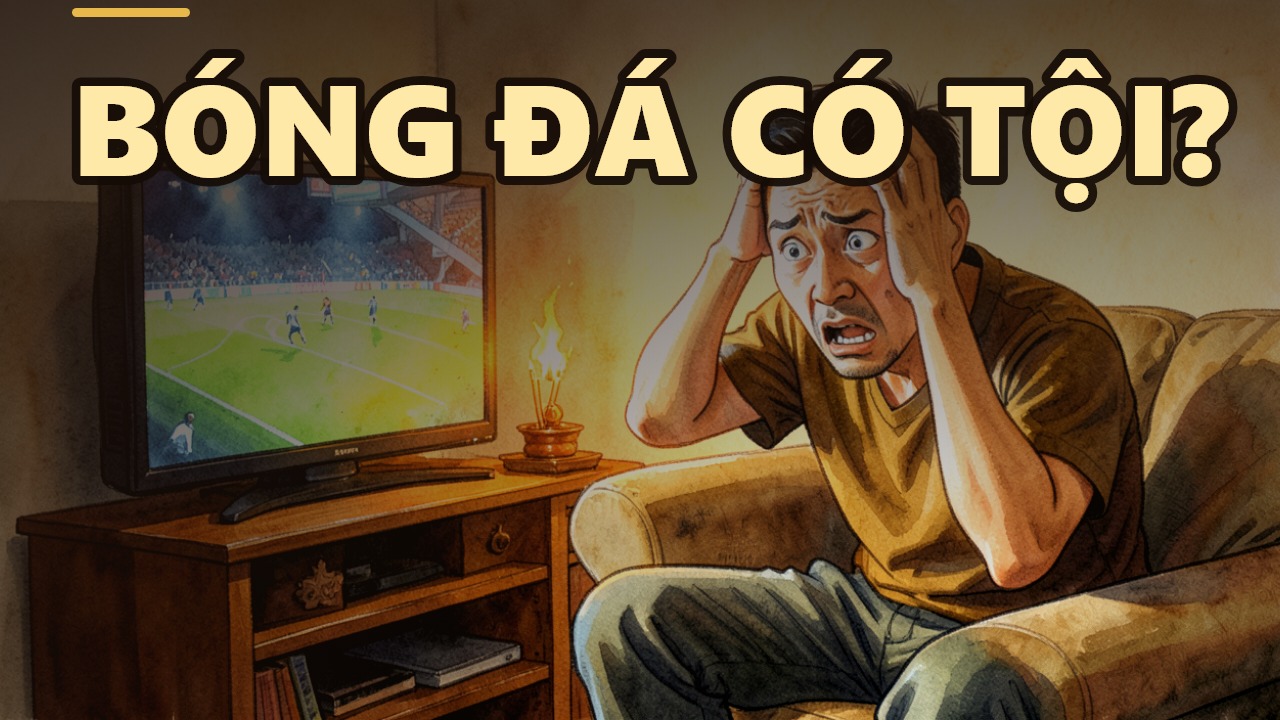
Have you ever wondered why some people watch football to the point of losing sleep and appetite, while others feel weary at the mere sound of traditional Vietnamese reformed opera? Entertainment is something everyone needs, yet how can we enjoy it without losing ourselves? In the dharma talk "Buddhism in Family Life," Venerable Thích Chân Quang opened for us a profound perspective on the meaning of entertainment and how a Buddhist should choose it.
What Is Entertainment? Why Do We Need It?
Entertainment consists of activities that are not obligatory, undertaken freely, and that bring us a sense of delight. Unlike the tedious work we must do to earn a living, entertainment helps people release the stress and pressure of daily life. Yet precisely because it is not obligatory, it can easily lead us astray if we do not know how to control ourselves.
"Entertainment consists of activities that are not obligatory. Not obligatory, unlike one's job and livelihood... it is voluntary, and people find it enjoyable."
An Activity That Seems Harmless Can Cause Deep Wounds
Many forms of entertainment begin simply as relaxation, but when they are inflated into business ventures, gambling, and betting, they become a double-edged sword. Venerable Chân Quang gave the example of football: from a simple game, it has become a "world war," leaving people sleepless and without appetite, and even shattering family happiness.
"When football season arrives, people lose their appetite and their sleep. Husbands and wives often quarrel, and some even separate, because betting has cost them their cars and their homes."
So entertainment is not inherently good or bad; it depends on how we receive it. When we chase after extreme emotions, we lose the original sense of peace and joy.
How Should a Buddhist Choose Entertainment?
The Venerable reminded us to choose healthy activities that do not consume too much time and that accord with the precepts. For time is the most precious gift each of us has been given. If we squander it, we lose it forever.
"A Buddhist must never have the notion of killing time; rather, we must cherish and make use of every single hour."
So instead of scrolling aimlessly through the internet, we can exercise, listen to wholesome music, or watch films with educational value. Most importantly, entertainment must nourish the soul, making us richer in spirit, more considerate of others, and more awake.
Music: The Door That Opens the Heart
Music is a form of entertainment with the power to touch the soul deeply. The Venerable told the story of two bandits who suddenly wept when they heard a wholesome melody sounding in their own cave. It is proof of the wonder of art: it awakens the hidden corners of the heart that we believed had dried and hardened long ago.
"Art enters the human heart with great force. It stirs awake even hearts as barren as stone, like ours."
For this reason, a Buddhist may choose music as a means of relaxation, so long as the melodies and lyrics guide us toward goodness and purity.
Parents and the Trap of Films and Video Games
In this technological age, children can easily come into contact with harmful content from films and video games. The Venerable advised parents to be extremely vigilant, for images of violence and depravity print themselves deeply onto the tender souls of the young.
"Films of that vulgar kind are everywhere. Children have souls still tender and innocent, and when they watch such rubbish, they are broken apart."
The Venerable also told of a Vietnamese teacher who won the title of best teacher in America, having transformed unruly students who had been shaped by a culture of violent entertainment. The story shows that love and patience can change everything, yet it also stresses that culture must be kept within bounds.
"People need to live within certain limits, and so culture must be regulated. I have always opposed societies that grant excessive freedom to culture."
Dear venerable Buddhist friends, entertainment is an essential need, but let us be people of awareness. Choose wholesome activities that do not waste time, and know how to govern yourself and your children. Let every moment of relaxation become an opportunity to nurture a heart of compassion, so that the soul may grow light and pure, just as the very word "entertainment" promises. Homage to the Original Teacher, Shakyamuni Buddha.
AI-assisted translation from the Vietnamese original.
Read in Vietnamese →