
The Infinite Value of the Three Jewels: Lessons from Master Nguyen Sinh Sac
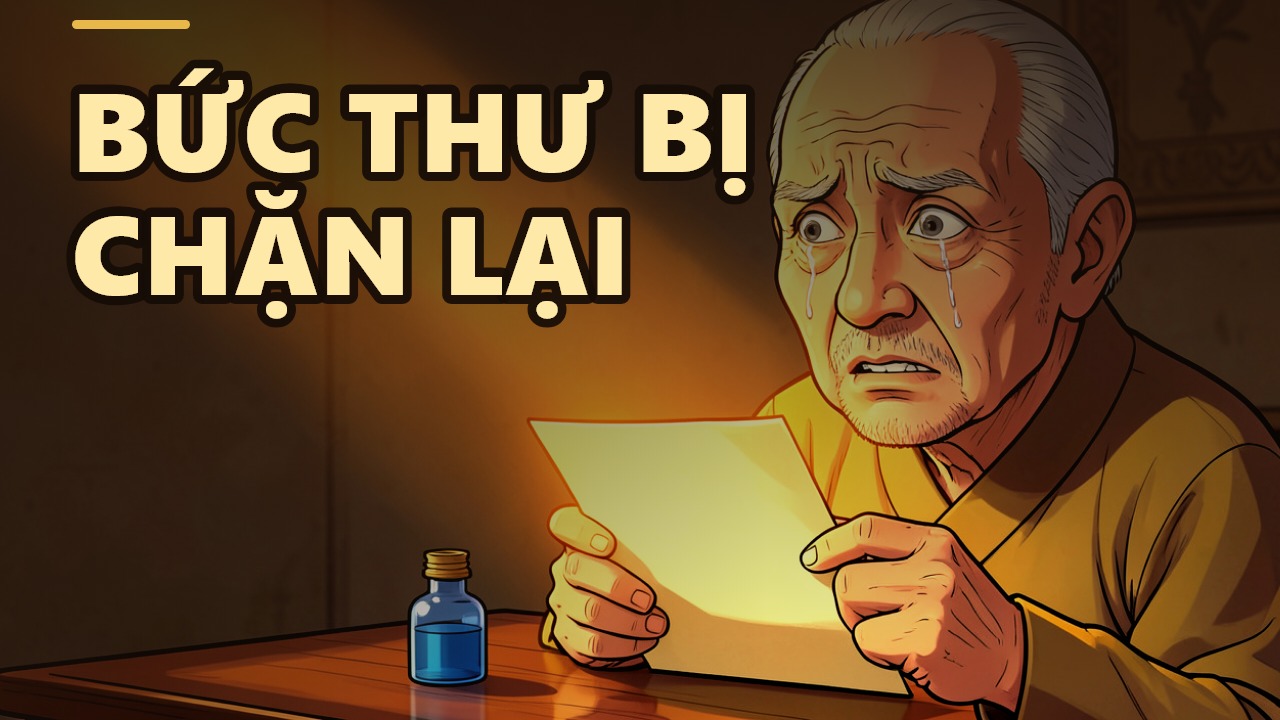
Some stories seem small but hold profound meaning. The letter written by Master Nguyen Sinh Sac, the father of President Ho Chi Minh, to Nghe An province over a century ago is a prime example. Although French colonialists intercepted this letter, its content remains valuable to this day.
## Master Nguyen Sinh Sac’s Letter and Three Key Factors
Master Nguyen Sinh Sac wrote a letter urging the people of Nghe An to follow Buddhism. In it, he offered a simple yet deeply insightful formula: to gain national independence, three elements are needed – farmers, patriotism, and Buddhism. Why was Buddhism necessary? Because it teaches not only moral living, compassion, and doing good deeds, but also explains cause and effect (karmic law). This spiritual principle helps people avoid evil and turn toward goodness.
To achieve independence for the nation, three factors are essential. First, the farmers. Second, patriotism. Third, Buddhism.
History has proven this truth. When a nation loses its soul, it becomes easily manipulated by foreign powers. Master Nguyen Sinh Sac clearly saw that restoring the Vietnamese spirit required bringing Buddhism back into daily life. Consequently, the movement to revive Buddhism began in the South, spread to the Central and Northern regions, and contributed significantly to the spiritual strength of the nation during the struggle for independence.
## Buddhism – A Religion of Wisdom, Not Blind Faith
In our modern world, as science advances, people live more rationally than ever before. Buddhism stands out because it does not force blind belief. The Buddha taught us to "know fully before following." It is a path of wisdom and enlightenment. The scientist Albert Einstein once stated that only a religion encompassing science could be followed by humanity; he acknowledged that only Buddhism achieved this.
Buddhism does not require mere faith; it requires wisdom. We must understand issues thoroughly. Only when we see their reasonableness do we follow the Buddha.
Buddhism is free from superstition and rejects empty belief. Its teachings are built on the foundation of reason and cause and effect (karmic law). Therefore, as the world today connects through the internet and compares religious doctrines, Buddhist teachings remain incredibly logical and convincing. Many Western intellectuals study Buddhism and are astonished by its depth.
## The Endless Treasure of True Dharma
The Buddha’s words possess immense value. A new monastic might read all the teachings in one or two years, yet never fully comprehend them in a lifetime. Consider the Noble Eightfold Path – eight right paths: right view, right intention, right speech, right action, right livelihood, right effort, mindfulness, and meditative concentration. At first hearing, we think we understand. But after ten or twenty years of practice, we realize our understanding was shallow. Every teaching hides countless profound truths, with the most fundamental principle being the law of cause and effect (karmic law).
Anyone wishing to understand morality, truth, and righteousness in this life must first believe in and understand cause and effect (karmic law).
A story about a Buddhist fisherman illustrates this point. Before encountering the Buddha's teachings (Dharma), he killed many creatures while fishing. Upon taking refuge, he resolved to stop killing. Suddenly, he suffered severe gout and could not walk, fearing permanent disability. When he visited his teacher, the teacher explained this was karma and advised him to repair roads for others. He followed this advice, and his illness gradually vanished, leaving him healthier than before. This proves the power of correctly understanding and applying cause and effect (karmic law).
## The Three Jewels – A Solid Spiritual Refuge
In Buddhism, the three most precious things are the Buddha, the Dharma, and the Sangha. The Buddha was a great human who appeared in the world across countless lifetimes, renouncing kingship to seek liberation. From His enlightenment emerged infinite truths – the true Dharma. And generations of teachers and the Sangha have preserved, propagated, and practiced these teachings. Today, we see senior monks like Quang Bao and Minh Hieu sacrificing to rebuild Ngu Tu Pagoda in Thanh Chuong – Master Nguyen Sinh Sac’s hometown. This is the quiet, spreading vitality of the Three Jewels.
When we understand the Buddha, the Dharma, and respect the Sangha, we realize our path is never blocked. No matter how advanced science becomes, it can never surpass the principles taught by the Buddha. Our minds expand like the vast dharma realm, boundless as the three thousand worlds. This is the happiness and blessings from merit for those who take refuge in the Three Jewels.
All worldly knowledge, human wisdom, and understanding, no matter how far they progress, can never exceed the teachings of the Buddha, nor go beyond the Four Noble Truths and the Noble Eightfold Path.
Today, we are fortunate to be human, to know Buddhism, and to take refuge in the Three Jewels. Let us strive diligently – commit to the path of practice, live morally, and trust in cause and effect (karmic law). This is how we repay the kindness of our teachers, honor Master Nguyen Sinh Sac, and serve our homeland.
AI-assisted translation from the Vietnamese original.
Read in Vietnamese →