
Never Look Down on the Weak: The Story of the Mustard Seed on the Tip of a Needle
The story of the two brothers Cūlapanthaka reveals the power of habit and cause and effect (karmic law): never despise the weak, for in a future life we may become exactly who they are. Behind the harsh conduct of the noble ones lies compassion.
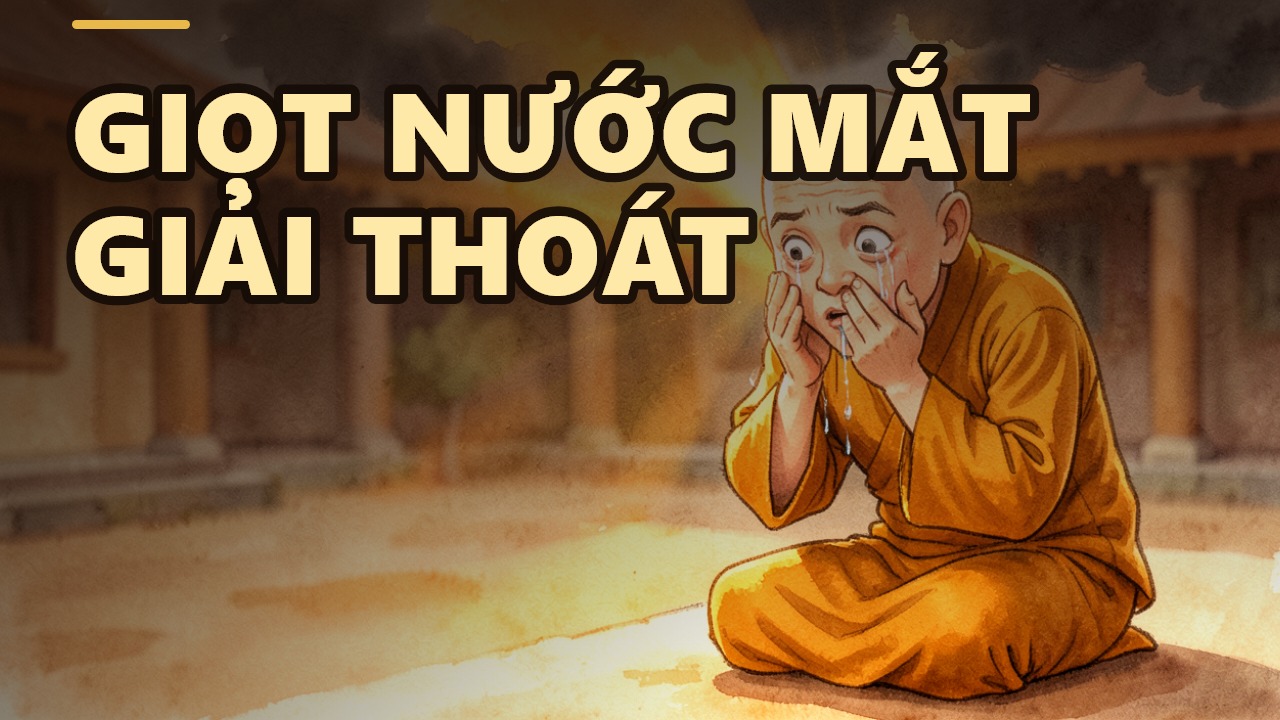
Have you ever felt irritated with someone who is slow to understand, who studies again and again but cannot remember? Or witnessed someone being cast out because of their shortcomings? In the Dhammapada there is a story of two brothers: the elder brother was wise and had attained Arhatship, while the younger brother was so dull that he could not remember even a single verse. The elder brother sternly expelled him from the Sangha, leaving him weeping and alone. Yet those very tears became the condition for the younger brother's awakening. The lesson of this story opens a profound view into habit, cause and effect (karmic law), and compassion.
The Two Brothers and an Unexpected Ending
The younger brother, Cūlapanthaka, was famous for being slow at learning. He could not remember a single line of scripture, not even one short verse. This was the result of past karma: in a previous life he had been intelligent and a gifted student, but he often mocked and despised others. Because of this, in this life he had to repay the karma of "remembering nothing" and became a burden to everyone around him. His elder brother, Mahāpanthaka, used harsh conduct — expelling him — to push him into his final humiliation, so that the remaining karma could be repaid.
When Cūlapanthaka attained Arhatship, the monks murmured that the elder brother still had hatred — why had he expelled his own brother? The Buddha then said:
Mahāpanthaka has no hatred, just as a mustard seed can never rest upon the tip of a needle.
A tiny mustard seed cannot possibly rest on the tip of a needle. Likewise, the mind/heart of an Arhat can no longer hold even a trace of greed, hatred and delusion. So what was the elder brother's action really about?
Harsh Conduct — The Sternness of Compassion
In Buddhism, there are two kinds of skillful means for guiding beings: gentle conduct and harsh conduct. Gentle conduct is soft, instructive, and encouraging. Harsh conduct is stern, even seemingly rough, in order to awaken consciousness. The Buddha himself used harsh conduct, as with Maudgalyayana, who once seized a transgressing monk by the neck and expelled him from the Sangha, or with the Zen master Huangbo, who struck Linji to jolt him awake.
The elder brother in the story acted in the same way. He felt no hatred; he simply used one final painful blow so that his brother could repay his karma and attain enlightenment. That sternness turned out to be great compassion. Sometimes in life, the people who are strictest with us are the very ones who bring us the deepest transformation.
Never Despise the Weak — The Karma of Vows
The most important lesson of this story is this: never look down on those who are lesser. When we mock the poor, the ignorant, or the disabled, we will be reborn into those very circumstances. Master Thích Chân Quang taught:
As long as we still despise the poor, our country will still have poor people. Because we must be reborn to become the very person we despised.
So what attitude should we have when meeting the unfortunate? We should not give rise to a mind/heart of contempt, but rather one of pity, wishing that they may no longer suffer such conditions. If all of society could do this, suffering (dukkha) would be reduced. The Master also added: helping the unfortunate may not bring blessings from merit, but it spares our own life one calamity.
Living Without Burdening Anyone — The Greatest Happiness
Let us resolve not to become a burden to others. To do so, we must practice, engage in repentance, and perform good deeds to avoid calamities such as illness and suffering (dukkha). The Master told of an elderly junior monk who ordained late in life, lived in purity, and passed away gently, burdening no one. That is the ideal kind of person.
Living in such a way, while alive we trouble no one, and at the moment of death we depart with ease. That is true happiness.
Remember the Buddha's words: One who has abandoned greed, hatred and delusion, without pride or jealousy, like a mustard seed on the tip of a needle, is a true practitioner. Letting go of greed, hatred and delusion, of arrogance and jealousy, we will no longer despise anyone, and no karma will remain to be repaid. And thus, we will not need to be born unfortunate in a future life.
Accepting and loving what we have, helping the unfortunate around us, and diligently practicing every day — that is the path that leads us to lightness, peace, and liberation.
AI-assisted translation from the Vietnamese original.
Read in Vietnamese →