
The Buddha’s Final Instruction: “Light Your Own Lamp and Walk” – Does This Mean He Cannot Help Us?
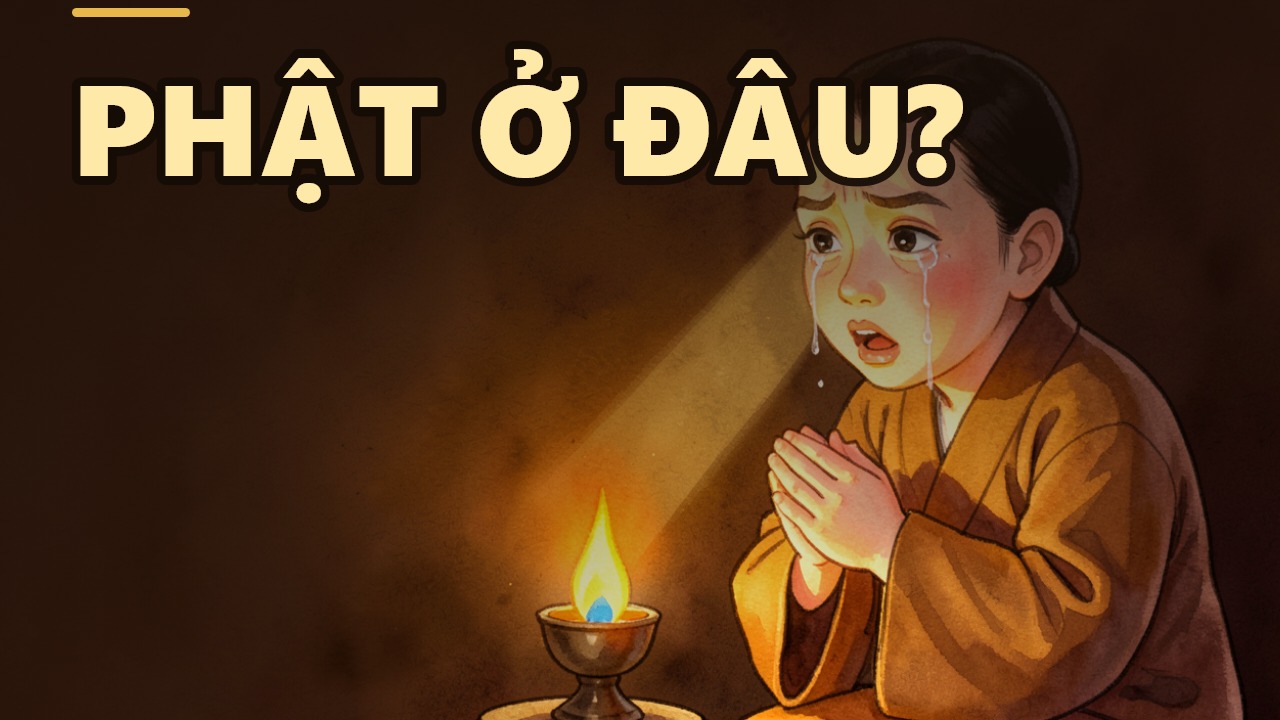
The Buddha’s final wish, “Light your own lamp and walk,” is not a rejection of sentient beings. It is an encouragement for us to strive so that we may receive the maximum blessings from him. When we understand this correctly, we realize that the Buddha is always beside us; we simply need to make the effort.
On the first day of the new year, you may have visited a temple, lit incense, and prayed for peace. But have you ever heard the phrase, “Light your own lamp and walk,” and wondered if the Buddha can truly help you? If he asks us to walk alone, does that mean he is powerless?
### The Buddha’s Last Words
Before entering nirvana, the Buddha spoke his final words with boundless compassion. These were the teachings he considered most important:
“Light your own lamp and walk. Be an island unto yourself. All worldly things are impermanence (anicca). Strive diligently for liberation. O my beloved ones.”
In moments of departure, people often speak their most vital truths. Like a dying father urging his child to try hard, the Buddha did more than give simple advice. He wished to gift us absolute self-reliance.
### Do Not Misunderstand the Buddha’s Advice
Some young people mistakenly believe that when the Buddha says to walk alone, it means he cannot save them and they should stop praying. This is a harmful misunderstanding. It breaks the bond between us and the Buddha and destroys our faith.
In reality, when a wealthy father wants his child to inherit his legacy, he does not hand over money for idle play. Instead, he requires the child to study, train, and endure hardship. When he says, “Try harder,” it is not because he refuses to help, but because he wants the child to be capable enough to receive the inheritance. The more the child strives, the more guidance the father provides. Conversely, a lazy child who receives millions can still go bankrupt in three days.
The Buddha is similar. When he said, “Light your own lamp and walk,” he wanted us to strive so that we could accept his infinite blessings. The more we try, the more the Buddha helps. He always protects us, but only when we take action ourselves.
### Impermanence (Anicca): The Most Important Lesson
The Buddha declared that “all worldly things are impermanence (anicca)” in his final moment. Everyone knows that everything changes. However, understanding this deeply enough to inspire spiritual practice is another matter. The Buddha was once a ruler of the world, possessing unmatched wealth and power, yet he profoundly realized that impermanence (anicca) destroys all things. The beauty of a young woman may resemble a calm autumn lake or a lush green forest, but thirty years later, it becomes wrinkled skin and gray, frizzy hair. Seeing this truth beforehand reduces our obsession and greed.
As the teaching suggests, when seeing a beautiful young woman, one should reflect on how that beauty will fade after thirty years.
Yet, impermanence (anicca) is not meant to make us weary of life. It is a reminder to live with mindfulness, do good deeds, and seek the true goal—enlightenment, which never fades away.
### Weariness Alone Is Not Enough for Practice
Many people hear about impermanence (anicca) and think, “I am tired of life; I will become a monk or nun.” But to practice effectively, one must fully follow the Noble Eightfold Path. To do this, one needs great merit. We must perform good deeds, bring joy to others, and share wisdom with those around us. The Buddha taught that we must sow goodness and accumulate virtue before we have the conditions (dependent origination) to enter the path of liberation.
So, on this first day of the new year, light your own lamp. Do not rely on external signs or wait for luck from outside. Make the effort and strive diligently, and the Buddha will accompany and protect you. As he advised, our own effort is the light that guides the way and the solid island in the sea of impermanence (anicca). Begin today, right now in the new year, so that blessings from merit fill your entire year.
AI-assisted translation from the Vietnamese original.
Read in Vietnamese →