
Hidden Blessings within Seemingly Wrongful Actions: Two Levels of Cause and Effect
**Summary:** Join Venerable Thích Chân Quang in examining how to distinguish good from bad: some acts that seem like merit turn out to be harmful, while what appears wrong may actually lead to salvation. Understanding the two levels of cause and effect (karmic law) helps us practice with greater clarity.
Have you ever wondered why some kind-hearted people live in perpetual suffering, while those who commit harmful acts seem to succeed? Is the law of karma unfair? Venerable Thích Chân Quang once explained:
"Some people, when we see them as cruel or aggressive, seem to enjoy constant happiness and success. Others appear gentle and kind, yet they are always suffering and failing. This is because the nature of merit and wrongdoing is far more complex than we understand."
The Story of the Bamboo Bundle: Appearing Cruel, Yet Bringing Relief
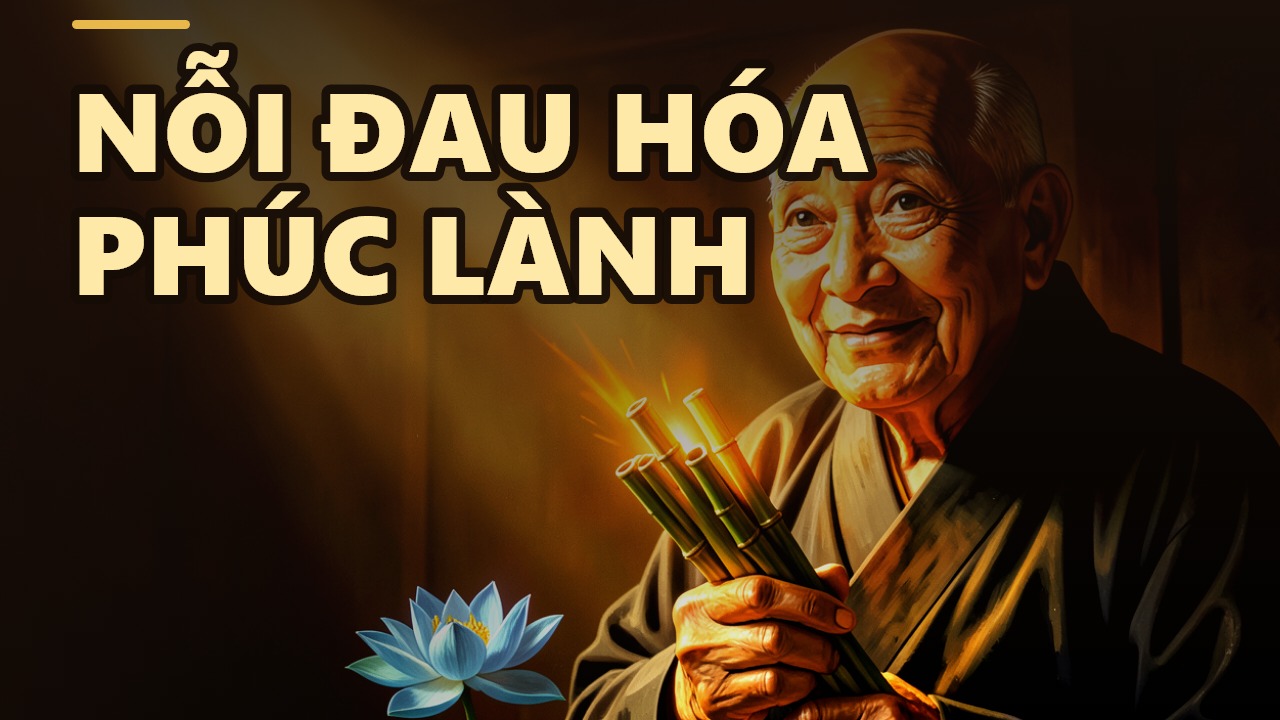
Worldly eyes saw the monk give the husband another bundle of bamboo to beat his wife and assumed he was aiding violence. But in truth, this act purified a debt of hatred spanning many lifetimes. Only when the wife had received her full measure of lashes did the husband's anger finally subside, allowing love to reawaken. The dharma of the wise does not lie in superficial appearances, but in a profound understanding of karma across lifetimes. The teacher recounted:
"The karma of samsara across many lifetimes is difficult to fathom... We may see him as cruel, enabling the husband to beat his wife, but the reality is that he resolved an ancient karmic debt, and afterward, the wife’s pain truly diminished."
The Two Levels of Wrongdoing and Merit
Venerable Chân Quang teaches that wrongdoing and merit have two tiers. The first tier is straightforward: causing others pain is wrongdoing, and bringing them joy is merit. But the second tier is far more important: causing others to remain ignorant is wrongdoing, while helping them gain wisdom, enlightenment, and moral virtue is merit. To understand this second tier is to truly walk the spiritual path.
"Causing others suffering is wrongdoing. Bringing others happiness is merit. That is the first level... Causing others to attain clarity, enlightenment, and wisdom is called merit. Causing others to be foolish, deluded, and mentally blind is called wrongdoing."
Charity Can Easily Transform into Harm
Many charitable activities involve giving gifts to the poor, yet the recipients wait for handouts all day, refusing to work. What seems like merit has actually corrupted an entire community. The Venerable shared:
"Now you should no longer go there... because the people do nothing. They simply wait for charitable gifts and even enjoy having the label of being poor... This has corrupted the entire region."
A Kind Mother Can Unintentionally Spoil Her Child
A mother who constantly shields her child from consequences, fearing punishment or her husband's displeasure, may see her child eventually end up in prison. What appears to be gentle kindness, seemingly a virtue, inadvertently creates greater catastrophe. The teaching emphasizes the need for wisdom in love.
"The gentleness of a wife or a mother seems like a good thing, a blessing. But what is the result, the consequence? The child is utterly ruined."
Do Not Let Superficial Sight Deceive You
In life, we often judge right and wrong by outward appearances. But those with deep practice will see clearly that an action appearing cruel—such as physical punishment or harsh reprimand—might be the very means for another person to awaken. What matters is the motivation and the ultimate effect on the human mind.
Practice looking deeply into cause and effect. Do not rush to judgment. When helping others, ask yourself: does this action help them become wiser and more enlightened? That is true merit.
AI-assisted translation from the Vietnamese original.
Read in Vietnamese →