
Marital Dharma: To Love Is to Look in the Same Direction
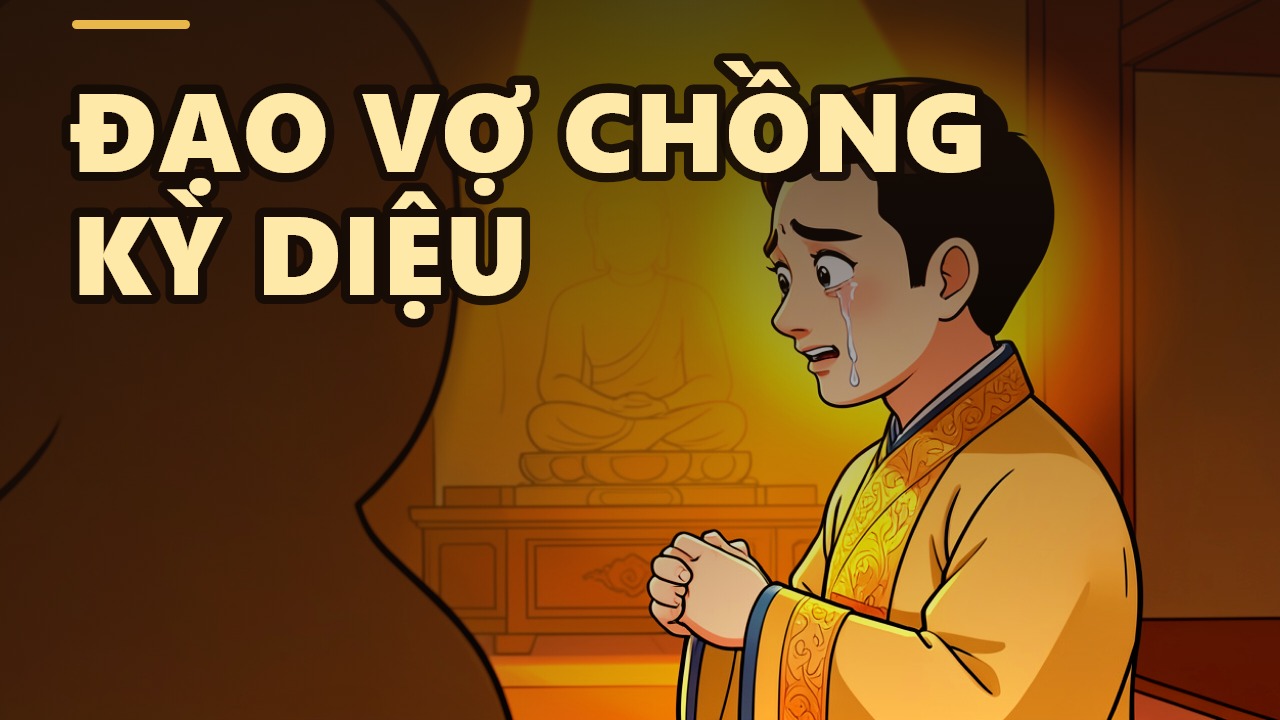
Have you ever wondered why two strangers meet and become husband and wife? In a special wedding ceremony held at a temple, Venerable Thich Chan Quang began with a warm story. The bride and groom—one a senior member of a Buddhist family group, the other a young student—had met right there at that very temple. He called this a great auspicious sign, for their love originated from the Buddha's teachings (Dharma). From this beginning, he shared insights on "marital dharma," a path that anyone entering marriage must learn throughout their entire life.
Husband and wife form a sacred path, not merely an art of decoration. Many people believe that marriage only requires a bit of cleverness or some tricks to beautify the surface. However, Venerable Thich Chan Quang sees deeper. Once marriage becomes a true "path" or dharma, it is far from easy. It demands a lifetime of learning, preservation, and nurturing. He emphasized that the karmic connection between spouses is one of the greatest bonds in a person’s life. Therefore, young couples must prepare their spiritual luggage beforehand, because happiness does not arise naturally. It must be built upon wisdom and compassion.
The ancient teaching states, "Husband and wife should respect each other like honored guests." This means treating one another with the reverence due to a precious visitor. Why is this necessary? Because over time, familiarity can breed contempt. At first, we speak sweetly to our partners, but as years pass, that tenderness may fade. He advised that spouses must maintain this respectful attitude forever, until the end of their lives. This is not just superficial politeness; it is an attitude that preserves the sanctity in every word and gesture. Elderly couples who remain deeply courteous to each other are practicing this dharma completely.
Create joy so that your partner desires to come home. He noted that many husbands wander astray because they find pleasure outside, and this is partly the fault of wives if they fail to create a warm atmosphere at home. Each person should strive to make their spouse feel that coming home brings only joy. He cited the example of musician Duc Huy and singer Thao Mi, who shared how short stories brought laughter and freshness to their family air. This is an art: knowing how to generate happiness for one another, ensuring that family remains the most desirable place to return to. Parents too should cultivate a happy home so children prefer staying with family over playing with friends.
To love is to look in the same direction. This was the most crucial point of the talk. He quoted a Western philosopher: "Love is not gazing at each other, but looking together in the same direction." If we only focus on demanding attention from our partner, even slight negligence leads to dissatisfaction and blame. Conversely, when two people share a common ideal—doing good deeds together and caring for the Buddha's teachings (Dharma)—their love becomes enduring and vast. He warned that vows of "absolute love" often cause suffering, because attachment in Buddhism is always the root of suffering (dukkha). Loving exclusively for each other will inevitably bring pain. Instead, aim together toward a noble goal to keep love pure and connected.
Faithfulness and altruistic kindness are keys to infinite auspiciousness. He cautioned against being ungrateful for what one has while coveting others. There will always be someone better, but for the sake of dharma and family, one must remain steadfast. Cherish and accept your own karmic conditions (dependent origination). He advised couples to do good works together, which creates blessings from merit for old age and strengthens their bond. Raise children with wholesome intentions before they are even born. Concluding the ceremony, he offered this blessing: When the mind/heart is filled with altruistic kindness, the result is infinite auspiciousness. Happiness is not limited to a hundred years but extends infinitely when we live selflessly and love all beings. This is the highest marital dharma.
This dharma talk by Venerable Thich Chan Quang is a gentle yet profound reminder: marriage is not just about two people, but a path of practice. Respect one another, do good deeds together, and look in the same direction—toward the Buddha's teachings (Dharma) and goodness. May you find lasting joy in your home.
AI-assisted translation from the Vietnamese original.
Read in Vietnamese →