
The End and the Means: Never Underestimate How You Do Things
Venerable Thich Chan Quang explains why the means do not merely lead to a result, but actually determine the nature of that result and our very character.
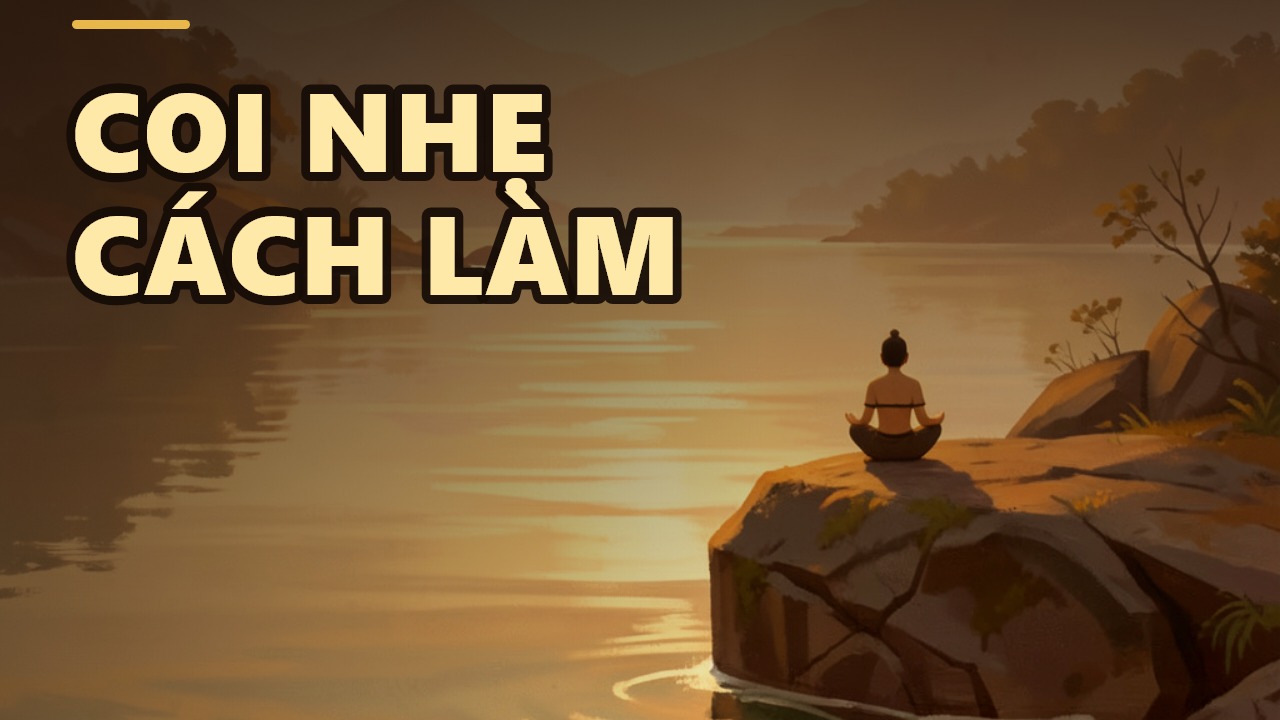
We often believe that once we have a clear goal, any method of achieving it is acceptable. We tell ourselves, "As long as the final outcome is good." In reality, however, the path you walk can decide who you become when you arrive at your destination. In his dharma talk titled "The Difference – The End and the Means," Venerable Thich Chan Quang offers a profound and practical perspective on the relationship between these two essential categories.
Why Is Achieving the Goal Not Enough?
Many people assume that any means are fine, provided they lead to a noble end. Venerable Chan Quang begins with a simple yet deeply reflective question. He defines the terms clearly: "The end is the ultimate goal we aim for. The means are the methods used to reach that end."
If we look only at the definition, the means seem to be mere tools for achieving a target. But in truth, the means are never neutral. They influence the final result, sometimes even determining its very essence. Consider planting a tree to harvest fruit. If you use chemical fertilizers, the quality of the fruit will differ from those grown with organic fertilizer, and may even contain hidden toxins. Similarly, building a house involves choices about spatial arrangement that alter the psychology and lifestyle of the family living within it. As Venerable Chan Quang points out, "The means we use affect the end significantly; it is not without impact."
Therefore, do not hastily trust the idea that "any result is fine." The truth is that results are formed step by step through how you act, and they carry the imprint of the means used.
How Means Directly Influence Results
In daily life, every field from technology to social humanities demonstrates this relationship. In business, earning money through drug trafficking versus farming represents two completely different means. Although both generate wealth, the life of the trafficker is filled with anxiety and guilt, while the farmer, though hardworking, possesses peace and serenity. That wealth reflects exactly how it was earned.
Regarding power, if someone uses cunning schemes to seize authority, they will likely become cruel and harmful once in charge. Conversely, if one attains power through talent and ethics, they will use that authority to serve their nation. Even in architecture, the layout of rooms can shape habits, encouraging either secrecy or openness among family members.
Venerable Chan Quang emphasizes that how you achieve something determines how you will use it later. The means are the seed; the end is the tree. Only a good seed produces good fruit.
The Danger of Wrong Means in Spiritual Practice
When discussing cultivation, many think that simply attaining enlightenment is sufficient. However, Venerable Chan Quang warns that incorrect methods of practice can lead to dangerous outcomes. Some practitioners attain meditative concentration and develop supernatural powers, yet use them recklessly to heal illnesses. This inadvertently creates superstition and disrupts cause and effect (karmic law). In contrast, if one follows a standard and proper method, they will know when not to intervene, allowing patients to contemplate impermanence (anicca) and deepen their practice.
He states, "Whatever means you use affects the spiritual fruit you seek, and it also influences how you teach sentient beings." Consequently, possessing supernatural powers does not guarantee benefit for others. The Venerable notes, "Not everyone who attains enlightenment can truly benefit sentient beings. Sometimes, the more they act, the more harm they cause." The primary reason is that their means of practice were incomplete, failing to cultivate true compassion and wisdom.
The End Reveals Itself Within the Means
Means are not just tools; they are the manifestation of the end from the very beginning. If a person wishes to perform charity to help flood victims, that goodness must appear in how they collect donations, in their dedication, enthusiasm, and financial transparency. If the finances are murky, suggesting they did not genuinely give, their intention cannot truly be wholesome.
This applies to family life as well. A father may want to keep his child away from danger, but if he shouts and curses, the child learns aggression rather than gentleness. Venerable Chan Quang reminds us, "Parents must consider this carefully. We want our children to avoid dangerous or wrong actions, but we also want them to possess a soft, gentle, polite, and respectful soul. Therefore, we must convey this through our manner of speaking."
Thus, charity must begin with specific steps, words, and actions. The beauty of the end lies right within the means.
Practice Methods Determine Spiritual Attainment
In spiritual practice, we often desire quick results. Yet, Venerable Chan Quang stresses that a standard, fundamental, solid, and comprehensive method benefits sentient beings far more than a method that yields rapid spiritual experiences but lacks ethical grounding. He shares, "Finding a standard, fundamental, solid, and comprehensive method of practice is beneficial for all beings."
A practitioner who moves slowly but surely builds a strong foundation. Upon awakening, even if not fully perfected, they can genuinely benefit many people. Their influence extends beyond making Buddhists leave home to practice; it improves society as a whole, regardless of whether individuals follow a religion or which tradition they adhere to.
Therefore, never underestimate how you practice. Every method you choose, every virtuous deed you perform, and every teaching you spread contributes to the quality of the enlightenment you will attain.
"The End and the Means" are not separate entities but a continuous flow. The result you receive today is the realization of how you acted in the past. Your future is a picture drawn by today’s brushstrokes. Choose your actions with care, for the way you act returns to you a person, a life, and a world shaped by your own hand. Begin with small things: a gentle word, a transparent action, a correct method of practice. For every small means is the seed of a great end.
AI-assisted translation from the Vietnamese original.
Read in Vietnamese →