
The Merit of Building a Temple: Why Does a Temple Need a Soul?
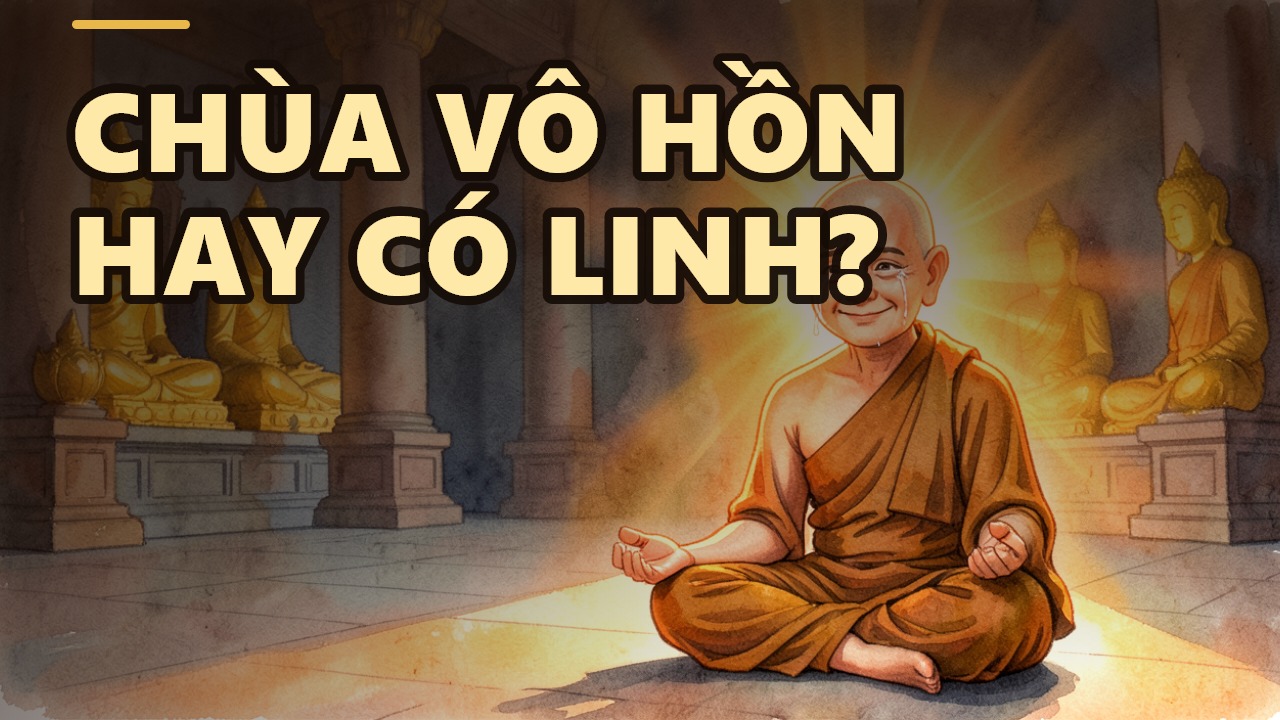
Building a temple brings great merit, but if that temple lacks a genuine practitioner residing within, it remains merely a soulless structure. This article helps you recognize which temples possess a true spirit and which are merely places for sightseeing.
Have you ever stepped into a grand, magnificent temple adorned with golden Buddha statues, yet felt an emptiness and coldness inside? You light incense, admire the scenery, and leave without anything stirring in your heart. In contrast, there are small, humble temples where every visit fills you with a strange warmth, like a cool stream nourishing your soul. What creates this difference? Is it perhaps the "soul" of the temple?
## The Temple and Its Soul
In a dharma talk, Venerable Thich Chan Quang once affirmed: The merit of building a temple is real, but what truly matters is whether that temple benefits sentient beings. If we compete only in scale while neglecting spiritual value, our effort and resources may be wasted. A temple is like a shell; its soul is the genuine practitioner who resides within.
"The temple itself is just a shell. But when a true practitioner lives inside, the temple begins to have life. When we visit such a place, we feel warmth, we learn about the Dharma, and we find the inspiration to advance on the path."
When a temple lacks a sincere practitioner, it becomes a soulless construction. People visit only to "tour the sights," a phrase Venerable Chan Quang calls "extremely painful," because it reveals that the place holds no spiritual life.
## Three Values of a Structure
How do we judge if a temple has a soul? Venerable Chan Quang points out that an architectural work has value only if it offers people one of three things: knowledge, wisdom, or morality. If we leave a place without becoming wiser or more compassionate, then no matter how magnificent it is, it remains meaningless.
"A structure benefits humanity by helping us advance in knowledge, wisdom, and morality. If a building does not increase these qualities, it appears impressive but is ultimately meaningless."
Consider a shrine or a royal tomb. If the tomb belongs to a king with a glorious legacy, visiting it might ignite a flame of patriotism within us, giving it value. However, if it was built solely for a king who did nothing for his country, it stands as a mere "disgrace." The same applies to temples. Without a true practitioner and the teachings of enlightenment, a temple is just a block of concrete.
## Level One: Faith from Observation
How can we identify a true practitioner? Venerable Chan Quang outlines four levels, from lowest to highest. The first level requires only observation. When entering a temple, if you see monks walking with dignity, maintaining solemn deportment, and keeping the surroundings orderly, you gain initial faith. With just this faith, your mind already shifts.
"If you simply believe that the temple houses a proper monk, you have already gained benefit. Your soul naturally changes. Suddenly, when you intend to do something wrong, a power arises that pulls you back, preventing you from acting."
Recall a time you were about to commit a mistake, but remembered the gentle image of a teacher you respected, causing you to hesitate. That is the power of faith.
## Level Two: Simple Words with Deep Meaning
When we have the chance to interact and converse, we realize that although the monk may not be a skilled orator, they understand the Dharma and live strictly according to precepts. Their words are simple, yet they touch the listener’s heart deeply because they stem from a genuine monastic life.
"Try your best, lay practitioners. Try not to be greedy. Greed may seem small, but it creates heavy karma."
Such a short sentence strikes deep within, shaking the foundation of greed. Venerable Chan Quang recounts that after meeting such a teacher, someone who found fifty million dong experienced intense inner conflict. Ultimately, the reminder "do not be greedy, greed is sinful" helped them return the money to the police.
This is the value of a temple with a soul: it need not be grand, but it warms an entire village.
## Level Three: The Wise Practitioner with Meditative Concentration and Eloquence
When we encounter a practitioner who engages in meditative concentration, understands profound doctrines, and possesses eloquent teaching skills, we have struck gold. Their teachings can transform our lives and open the path toward enlightenment.
"If this person practices meditative concentration... they understand the teachings with extreme depth. Because they delve into the depths of spirituality, their understanding is profound. The blessing lies in entering the spiritual realm, which generates wisdom and eloquence."
Such a teacher guides us further along the path, helping us live peacefully, practice letting go, and move toward liberation. A temple like this is a gathering point for spiritual connection, a sanctuary for generations.
## Seek Out the Temple with a Soul
When searching for a temple to rely upon, do not look only at appearances. Seek places where a true practitioner resides, where you feel the Dharma present in every word and gesture. If you have not yet found such a place, pray that good conditions will lead you there.
More importantly, each of us should strive to become a "soul" for our families and communities. As Venerable Chan Quang said, "The crucial factor is always the human being." Without sincere practitioners, all beautiful structures remain meaningless.
AI-assisted translation from the Vietnamese original.
Read in Vietnamese →