
Transforming Karma: The Miracle That Saved a Seven-Day-Old Baby – Lessons from the Dhammapada
A story from the Dhammapada about a baby saved through his father’s respectful offerings. The lesson: honoring those worthy of honor brings longevity, health, beauty, and happiness.
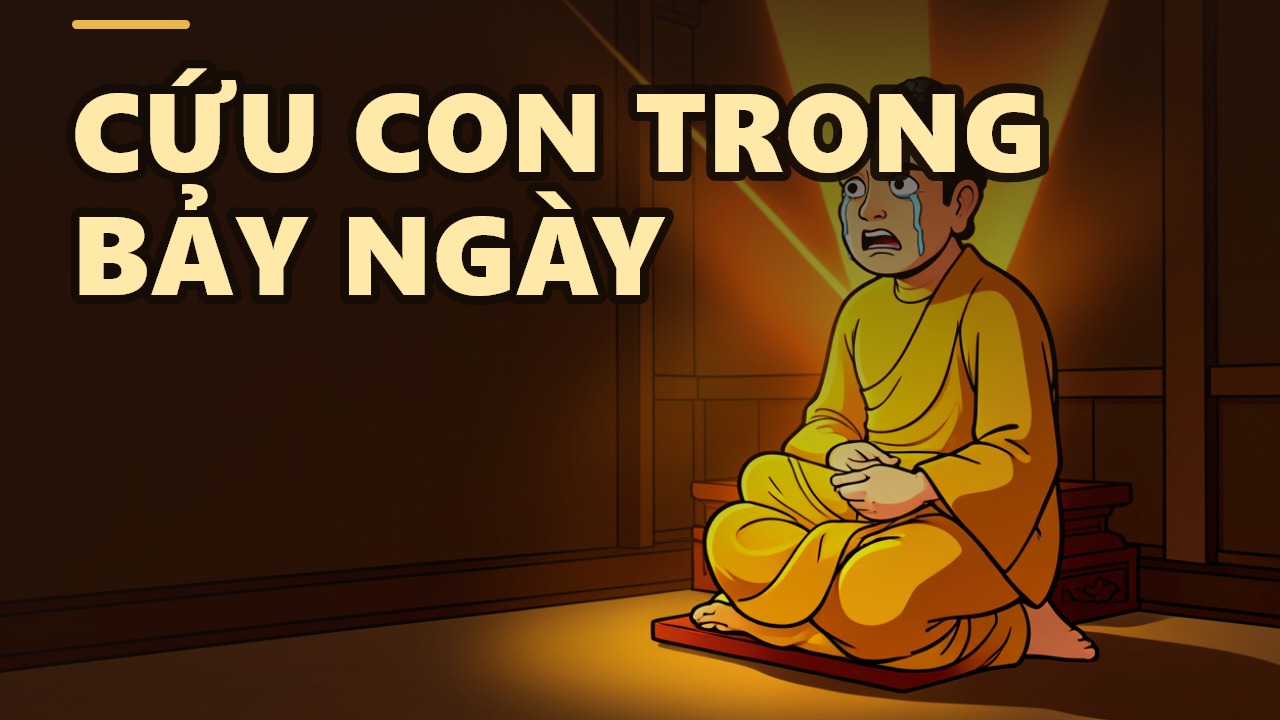
Do you believe that a baby with only seven days left to live could be saved by the sincere reverence of his father? In the Dhammapada, there is such a remarkable story. Two friends practiced asceticism for forty years. One, unable to attain enlightenment and having no children, returned to worldly life. He sold all the merit from his spiritual practice to get married and have a child. However, his ascetic friend possessed supernatural powers and knew that the baby would die after seven days. In deep anguish, the father sought out the Buddha, begging him to save his son’s life. The Buddha instructed him to set up an altar and make offerings to the Sangha for seven days. Miraculously, the baby was saved, overcoming the harsh prophecy.
Can spiritual merit truly be transferred?
In this story, the ascetic monk sold forty years of merit from his austere practice to another person. The buyer paid in cows and money, receiving blessings according to the vow made. This may sound like superstition, but Venerable Thich Chan Quang explains that cause and effect (karmic law) in the spiritual realm is real. He stated:
"For a Buddhist layperson, offering money to the temple is very similar to buying the spiritual merit of the monks."
When a monk practices diligently, keeps precepts, and engages in meditative concentration, merit arises. When laypeople make offerings, they inadvertently receive that merit. This explains why many who offer generously progress quickly on the path, yet it also accounts for why some monks incur karmic debt when accepting excessive offerings.
Karmic Debt and Courage Before Supernatural Powers
The teacher emphasized that if a monk accepts more offerings than their own merit can support, they incur a debt to society, which must be repaid. They might be reborn as animals or serve others in future lives. This is known as karmic debt. The teacher also warned:
"Do not assume that anyone possessing supernatural powers is following the right path of the Buddha's teachings (Dharma)."
In the story, the ascetic friend had supernatural powers but was not a disciple of the Buddha. This proves that demons can also perform miracles. Buddhists who are fascinated by supernatural powers are still spiritually weak. The highest courage is remaining calm before all supernatural phenomena, focusing solely on the true Dharma.
Honoring Those Worthy of Honor: The Secret to Longevity, Health, Beauty, and Happiness
The baby was saved because his father established an altar and made offerings to the Sangha for seven days. The Buddha explained:
"Honoring those worthy of honor increases longevity, beauty, and health, making life happier."
These are four wonderful benefits. Who in this world does not desire such wholeness? Honoring genuine monks and those worthy of respect is the most hopeful way to transform karma.
Illness and Karmic Retribution: Spiritual Factors
The teacher also shared that many incurable diseases, even deaths, originate from the spiritual realm. There are contracts and invisible beings at work. To heal, beyond medicine, one must cultivate merit and show reverence to the Three Jewels. Karma can be transformed unless it is fixed karma. But if the karma is too heavy, the merit will benefit future lives.
Through this story, we remember that honoring those worthy of honor is not just external ritual, but a true path to transforming our lives. Begin with a smile, a heart full of respect, and a small offering to genuine practitioners. This is planting good causes for present and future peace and joy.
AI-assisted translation from the Vietnamese original.
Read in Vietnamese →