
Transforming Karma: The Story of the Ascetic Who Sold Forty Years of Merit for a Child
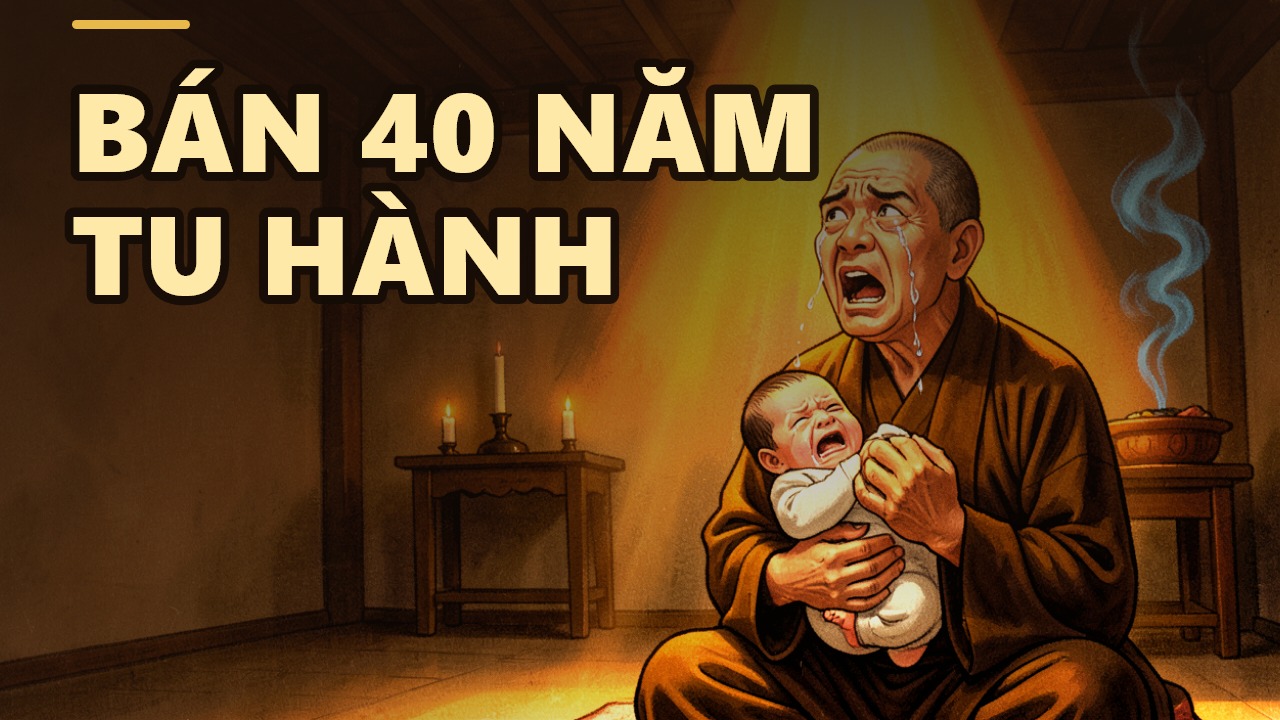
Imagine you spent forty years in deep forest austerity, renouncing everything to seek enlightenment. Then one day, you realize you have not attained awakening and still have no children. Would you be willing to sell your accumulated merit to someone else in exchange for a child? This is a story from over twenty-five hundred years ago, during the time of the Buddha. It reveals not just a strange transaction, but invisible secrets about karma and merit, and how we interact with the spiritual realm.
## The Story of the Ascetic Who Sold Forty Years of Merit
Two Brahmin friends left home together to practice asceticism in the forest for forty years. One grew weary and desired to return to worldly life, marry, and have children. At that time, people believed that spiritual merit could be bought and sold. So, he sold all his forty years of merit to a patron in exchange for a herd of cattle and a large sum of money. The patron only needed him to pray and transfer the merit. Afterward, the man returned home, married, and was blessed with a firstborn son.
His fellow ascetic continued practicing and attained supernatural powers. Hearing the news, he visited his friend, looked at the baby, and fell silent. When the father asked why, the ascetic replied, "Your son will die in seven days." Overcome with grief, the father carried his child to see the Buddha. The Buddha also remained silent. The father wept bitterly, begging for help. The Buddha instructed him, "Go home, set up an altar, invite the monks to chant sutras and dedicate blessings for seven days, offering ample food. On the seventh day, the Tathagata will come."
The father did exactly as instructed. After seven days, the Buddha arrived, blessed the child, and he lived peacefully. It turned out that a Yaksha named Avarudaka had been promised this child by Vessavana, King of the Four Heavenly Kings, for serving him faithfully for twelve years. There was a secret agreement between them: the child would die and serve the Yaksha. But through the power of the Sangha and the Buddha, this contract was broken, and the child’s life was saved.
## Can Merit Be Sold? A Painful Lesson
The story shows that the Brahmin believed he possessed merit from forty years of practice and could sell it. While this may sound like superstition, within the law of cause and effect (karmic law), there is truth to it. The buyer receives blessings from merit as if they had practiced themselves. Thus, when Buddhists make offerings to the Sangha, even unspokenly, the spiritual merit of the teacher can transfer to the giver. This resembles buying merit.
Venerable Thich Chan Quang warned frankly: "Many say, 'If the teacher preaches so much, surely he has great merit?' In reality, very little remains—just enough for a simple lunch." Why? Because each time someone makes offerings, the teacher may lose part of their own cultivated merit. If they receive more than they generate, they incur karmic debt, which must be repaid through rebirth and service.
This is why genuine practitioners often fear receiving offerings. They do not want material wealth to deplete their merit or create debts across lifetimes. For those making offerings, they gain merit, but does this create a spiritual debt? Actually, if offerings are made with reverence and diligence, the recipient loses little. However, if one offers without understanding, merely seeking wealth, it becomes an unconscious transaction.
## Supernatural Powers and Words: The Final Trap for Practitioners
In the story, the ascetic friend attained supernatural powers but was not on the right path. He followed Brahmanical practices yet could foresee fate. This teaches us: Do not assume that anyone with supernatural powers follows the true Dharma. Venerable Chan Quang said, "Do not think that whoever possesses supernatural powers is aligned with the Buddha's teachings."
Worldly people are easily drawn to four things: beauty, money, status, and romantic talent. But upon entering the path, we are also tempted by miracles. Hearing that someone knows past and future lives, we rush after them. The teacher warns, "The strength of a Buddhist disciple lies in remaining calm before others' supernatural displays."
Demons possess supernatural powers, as do non-Buddhist sects. What we need is the right path, not miracles. Furthermore, eloquent preaching can also be a trap. Many recite sutras fluently while harboring wrong views. Therefore, even when hearing beautiful dharma talks, we must remain vigilant. This discernment is the ultimate strength of a disciple.
## Who Are the Worthy Ones? Why Reverence Matters
In the story, the father showed deep respect to the Sangha, inviting them to his home for seven days of offerings. Through this reverence, his merit increased greatly, allowing him to transform karma for his child. The Buddha concluded, "Revering those worthy of reverence increases longevity, beauty, and health, and brings joy to life."
But who are the worthy ones? Not everyone wearing robes is a true practitioner. Only those who diligently cultivate, keep precepts, practice meditative concentration, and live holy lives deserve our respect. We are fortunate to have such teachers in the world. They are refuges and sources of blessing. When we honor them with sincere hearts, we receive four benefits: longer life, better health, improved appearance, and happiness.
## Revering the Worthy: The Secret to Changing Destiny
People often seek true masters to change their karma, but success is not guaranteed. Some fixed karmas cannot be altered, no matter how much merit we accumulate. For example, a person missing a leg cannot grow it back through good deeds. However, if transformation is possible, we receive blessings in future lives. The key is creating merit correctly through genuine reverence.
In daily life, illness and accidents sometimes have spiritual roots, not just medical causes. Besides taking medicine, we must also create merit to purify body and mind. With sufficient blessings, we are protected, just like the child in the story.
You may never have sold your merit, but are you showing reverence in the right places? Reflect on your heart when making offerings or listening to the Dharma. If you honor true practitioners with a pure mind, you will receive the four most precious gifts of life: longevity, health, beauty, and happiness. This is the true transformation of karma taught by the Buddha—not by trading merit, but by planting wholesome seeds through a reverent heart.
AI-assisted translation from the Vietnamese original.
Read in Vietnamese →